
Digital Therapeutics startups are transforming patient care, remote monitoring and chronic disease management. But many young companies make the same foundational mistake.
They treat software architecture like a secondary task instead of the core engine of their therapeutic model. In a regulated space like healthcare, poor architecture does not just cause bugs. It breaks compliance, damages clinical credibility and prevents the product from scaling. Startups often focus heavily on outcomes, design, clinical validation and onboarding.
All important. But without a stable and compliant architecture underneath, none of it survives real-world use. Here are the biggest mistakes digital therapeutic teams make, and what they should be doing instead.
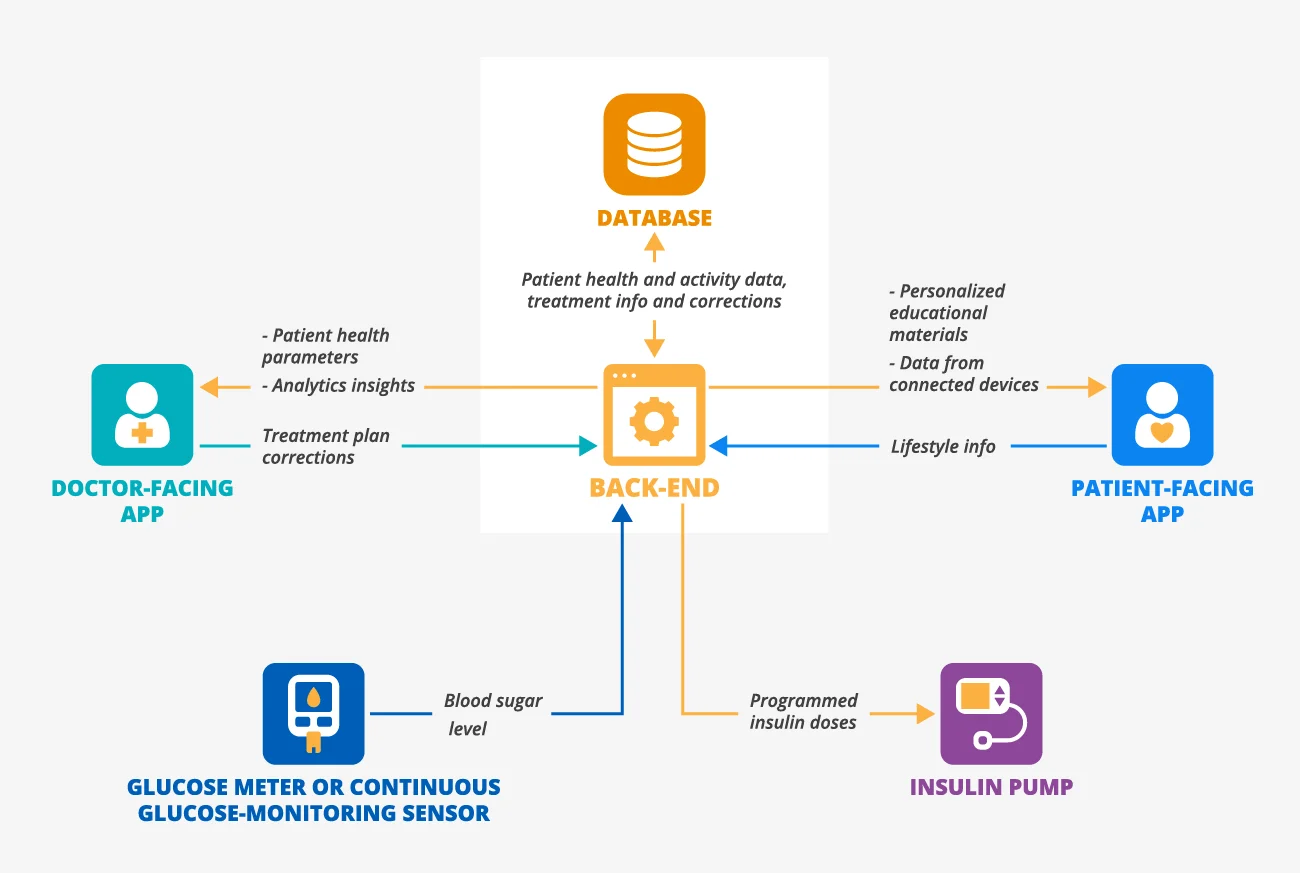
Mistake 1: Treating the App Like a Fitness Tool Instead of a Medical System A Digital Therapeutic is not a wellness app.
It handles Protected patient data Regulated workflows Risk scoring Sensor or device inputs Clinical recommendations Startups fail when they use consumer-grade architecture. A therapeutic product requires Audit trails Role based access PHI separation Secure API flows Configurable clinical rules If the architecture cannot prove how data flows, regulators will not approve it and providers will not trust it.
Mistake 2: Building Features Before Defining the Clinical Logic Layer Most startups jump directly into UI screens and patient flows. The missing piece A clear clinical logic layer that explains How data is analyzed How recommendations are generated How thresholds change How interventions trigger How risk is monitored Without this layer, the product becomes inconsistent and clinically unreliable. The correct approach Define a rules engine or protocol engine first. Build features around it. Not the other way around.
Mistake 3: Ignoring Data Interoperability Early Digital Therapeutics must integrate with EHR systems Wearables Medical devices Labs Patient portals Provider dashboards Most startups wait too long to plan interoperability and end up rebuilding half the backend. Interoperability is not a feature. It is an architectural decision that affects Database models API strategy Data mappings Security structures HL7, FHIR and SMART on FHIR compatibility should be considered from day one.
Mistake 4: Not Designing for Clinical Oversight A therapeutic app must support clinicians, not just patients. Yet many products forget that providers need Dashboards Escalation notifications Care team collaboration Longitudinal reports Compliance logs Event summaries If your architecture does not allow clinicians to override, adjust or audit therapeutic steps, you are building a consumer product, not a DTx solution.
Mistake 5: Mismanaging Device Data Digital Therapeutics often rely on device inputs Blood glucose monitors Wearables BP cuffs SpO2 sensors CGM data streams Startups commonly make three errors Treating raw data as final data Ignoring time zone alignment Failing to store historical data in a structured pattern A therapeutic model depends on clean timelines and interpretable signals. Architecture must enforce normalization and quality checks before any clinical decision is produced.
Mistake 6: No Separation Between Engagement Features and Therapeutic Features DTx products often mix Gamification UI engagement Coaching modules Therapy steps Medication reminders When all of these live in one codebase, changes become dangerous. Modify one engagement feature and you risk breaking a regulated therapeutic workflow.
A well designed architecture separates Engagement layer Therapeutic engine Data pipeline Compliance layer Analytics engine This protects the therapeutic component from accidental disruption.
Mistake 7: Underestimating Compliance Requirements Startups often try to “add HIPAA later.” But compliance is architectural, not decorative. It impacts Database design Infrastructure setup Logging User access Encryption Data retention Breach protocols PHI isolation If your product is not built for compliance from day one, you will rebuild it later under pressure.
Mistake 8: Ignoring Long Term Scalability Most early architecture is built for 100 users. Digital Therapeutics must scale to Multiple providers Multiple care programs Multiple patient cohorts Multiple clinical pathways Without a modular architecture, each new program becomes a patchwork solution, slowing your team and frustrating clinicians.
The Right Approach for Digital Therapeutics Architecture A strong DTx architecture includes A clinical rules engine A structured data pipeline FHIR based interoperability Auditable logs and compliance layers Clear separation of PHI A provider dashboard backbone Device data normalization A modular component based system Secure cloud infrastructure with redundancy Extensive monitoring and analytics Architecture is not overhead.
It is what turns your therapeutic idea into a clinically trustworthy, scalable system. Conclusion Digital Therapeutic startups succeed when they treat software architecture as a medical foundation, not a technical detail.
The difference between a DTx product that scales and one that collapses lies in how well you structure the system behind the screens. Build architecture with clinical clarity, compliance awareness and long term scalability, and your product becomes a powerful healthcare asset.