Cutlery vs. Flatware
Discover the key differences between cutlery and flatware, including their definitions, uses, and cultural variations. Perfect guide for choosing the right table tools for your dining setup.<br>


Cutlery vs. Flatware
E N D
Presentation Transcript
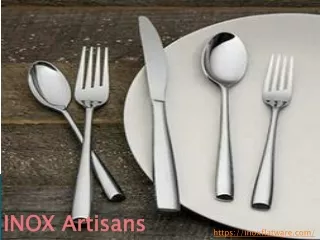
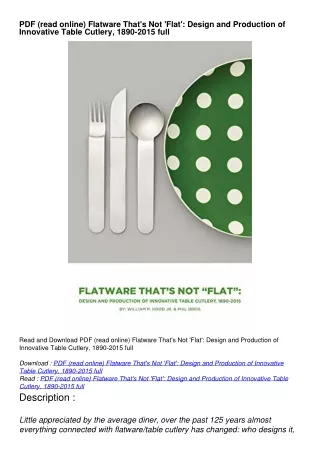
Cutlery vs. Flatware: What’s the Real Difference? Walk into any home goods store or browse an online kitchenware catalog, and you're likely to come across the terms cutlery and flatware. While many people use them interchangeably, especially in India, they don’t exactly mean the same thing. Understanding the subtle but important distinctions between the two can help you make better purchasing decisions — whether you’re choosing a fancy cutlery set for hosting guests or a practical spoon set for everyday meals. Let’s break it down in simple terms, exploring the history, usage, regional differences, and what these terms mean for Indian households today. What Do You Mean by Flatware? Flatware refers broadly to eating utensils such as spoons, forks, and sometimes knives. It often does not include kitchen knives or serving tools. In American English, flatware typically means tableware used for eating—not cooking. Common Items Included in Flatware: Dinner spoon Teaspoon Soup spoon Dinner fork Salad fork Dessert spoon or fork In Western countries, especially the U.S., the word "flatware" is preferred over "cutlery" when referring to utensils placed on a table setting.
Flatware Materials Flatware is usually made from: Stainless steel (most common for daily use) Silver-plated metal (used in luxury dining) Plastic (disposables) Bamboo or wooden (eco-friendly options) Flatware tends to emphasize function and design. For instance, a modern stainless-steel flatware set may be dishwasher-safe, ergonomically designed, and even color-coated to match the aesthetics of a dining space.
What Do You Mean by Cutlery? Cutlery, on the other hand, originally refers to cutting instruments. The word comes from the Old French coutellerie, meaning the trade of knife-making. Over time, especially in British English and Indian English, it has expanded to include all eating utensils—not just knives. Common Items Included in Cutlery: Knives (table knife, steak knife, butter knife) Forks (main fork, salad fork, dessert fork) Spoons (all types) In India, when we say “cutlery,” we often mean the full range—spoons, forks, and knives used for eating. Types of Cutlery Cutlery is typically part of a cutlery set, which may include: 6 dinner spoons 6 dinner forks 6 dinner knives 6 teaspoons 1 serving spoon The material and design quality of cutlery varies widely, from simple stainless steel to gold- plated luxury options used during weddings or formal events. Key Differences Between Cutlery and Flatware Let’s summarize the real difference between these two often-confused terms:
Feature Flatware Cutlery Regional UsageMore common in American English More common in British & Indian English Forks and spoons (sometimes knives) Primarily knives, later expanded to all utensils Meaning Historical OriginTableware/eating instruments Cutting tools and knife-making trade Common Materials Stainless steel, plastic, silver Stainless steel, silver, even titanium Scope Limited to dining utensils Broader, includes all eating tools Example Usage Flatware for daily meals Cutlery set for formal dining Cultural Differences: UK vs US vs India One reason this confusion exists is because the terms evolved differently around the world: United States In the U.S., flatware is the most common term. A spoon or fork is flatware, while knives are often considered part of “cutlery” but are grouped under kitchen tools if used for prep work. United Kingdom The British use “cutlery” to refer to all dining utensils. So, a full set of table knives, forks, and spoons is called a cutlery set. India Indian English follows the British format. In Indian homes, when we say “cutlery,” we usually mean the whole set of spoons, forks, and knives. “Flatware” is not commonly used unless in Westernized or hospitality contexts. That's Not a Knife… That’s Culture The phrase “That’s not a knife…” popularized in pop culture, brings attention to how important knives are in defining cutlery. Knives were the original form of cutlery before forks and spoons became part of everyday dining. So, while Americans began using "flatware" to focus on table utensils, other regions stuck with the original "cutlery" which included all forms.
Even today, in professional culinary circles, a chef’s knives are referred to as cutlery, not flatware. The Rise of the Spork and Modern Design One interesting development in the cutlery world is the spork — a spoon-fork hybrid. Originally designed for camping and military meals, the spork is now a staple in fast-food restaurants and lunch boxes. While technically flatware, it shows how design is evolving to suit modern needs. In India, although sporks aren’t popular in traditional meals, they are often included in takeaway food and kids' lunch sets. Victorian Influence and Table Etiquette During the Victorian era, etiquette defined how people used and displayed their tableware. There were distinct rules on how to place your spoon set or use your forks set. Every item had a purpose—from a dessert fork to a fish knife. While modern Indian dining doesn’t follow rigid Victorian rules, the influence can still be seen in formal gatherings like weddings or Diwali feasts where a full cutlery set is often used to serve multiple courses.