Clinical Nurse Aide
0 likes | 3 Vues
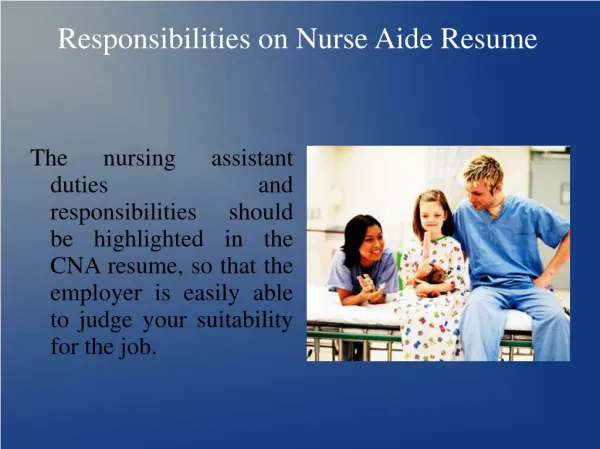
A clinical nurse aide, also known as a nursing assistant or unlicensed assistive personnel, plays a vital role in healthcare settings by providing essential basic care to patients under supervision.


Clinical Nurse Aide
E N D
Presentation Transcript
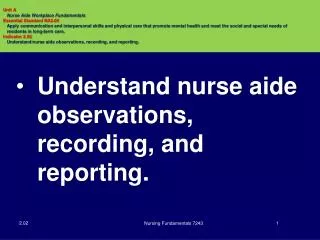
What Is a Clinical Nurse Aide? A clinical nurse aide, also known as a nursing assistant or unlicensed assistive personnel, plays a vital role in healthcare settings by providing essential basic care to patients under supervision. They serve as a bridge between patients and licensed nursing staff, delivering hands-on support for daily living tasks, vital signs monitoring, and emotional care. Primary Duties and Patient Care Tasks Clinical nurse aides carry out a variety of direct-care responsibilities, including: ● Personal Hygiene Support: Assisting patients with bathing, dressing, oral hygiene, grooming, and toileting while treating them with dignity and respect. ● Mobility Assistance: Helping with ambulation, transfers between bed and wheelchair, and repositioning to prevent bedsores. ● Measuring and Recording: Taking vital signs such as temperature, pulse, respiration, blood pressure, and weight; recording and reporting them to supervising staff. ● Feeding Assistance: Supporting patients with eating, including serving meals and occasionally feeding them. ● Specimen Collection: Gathering urine, stool, or other necessary specimens for testing. ● Environmental Maintenance: Ensuring patient areas are clean and safe, including changing bedding, sanitizing rooms, and properly disposing of biohazards. ● Emotional Support: Offering companionship, responding to call lights, and providing comfort during hospital stays. The Role of Communication and Reporting Acting as the eyes and ears of registered nurses, clinical nurse aides are trained to observe subtle changes in a patient’s condition and report them promptly. Effective communication skills are essential—for instance, discussing patient needs with families or detailing observations to nurses. They also learn how to respect confidentiality and work as part of the larger care team. Educational Requirements and Certification Most programs require a high school diploma or GED as a first step. Students then complete a state-approved nurse aide training course consisting of: 1. Classroom Instruction: Covering fundamental topics like anatomy, physiology, infection control, patient rights, professional ethics, and safe care procedures.
2. Skills Lab Practice: Hands-on training to master bathing, feeding, mobility assistance, vital signs, and safety protocols. 3. Clinical Externship or Practicum: On-the-job training in a healthcare environment under supervision, typically 30–60 hours depending on state requirements. After completing training, candidates must pass a competency exam—typically including written and practical portions—to receive state certification and become eligible for employment. Key Competencies and Professional Skills To become effective in their roles, clinical nurse aides develop proficiency in: ● Clinical Techniques: Bathing, feeding, vital signs, mobility, horizon cleaning, and specimen collection. ● Safety and Infection Control: Following universal precautions, body mechanics, and proper disposal methods. ● Communication: Observing and reporting conditions, engaging with patients and families, and collaborating within the care team. ● Professional Ethics: Upholding patient privacy, respecting rights, and maintaining ethical conduct. ● Physical Endurance: Managing physically demanding tasks like lifting, standing, and repetitive movements throughout shifts Work Environments and Career Outcomes Clinical nurse aides are employed in diverse settings, which may include: ● Acute care hospitals ● Long-term care facilities ● Rehabilitation centers ● Assisted living communities ● Home health agencies Most positions are full-time, though part-time and flexible schedules are common due to the nature of patient care needs. Industry Outlook and Professional Advancement The demand for nurse aides is expected to grow quicker than average due to an aging population and healthcare staffing needs. The role offers job stability and provides a foundation for advancing into nursing licenses or specialized certifications such as medication aide or restorative aide.
For those aspiring to become registered nurses, starting as a clinical aide can offer hands-on experience and insights into patient care dynamics—an excellent stepping stone toward further nursing education.