1 / 9
0 likes | 6 Vues
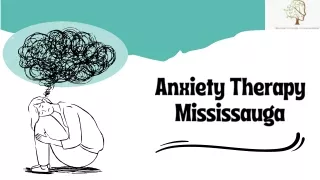
Feeling tense or restless because of anxiety? Dive into this presentation know how massage therapy can help lower cortisol levels and promote relaxation.

E N D
Introduction You’re not alone. If you often feel on edge or overwhelmed, this blog is for you. Learn how anxiety affects your body and mind, and how hands-on therapies like massage, gentle muscle work, deep massage, and Reiki can help you feel calmer and more in control. We’ll explain the research simply, so you can see what happens in your body and how these therapies can help you sleep better, breathe easier, and feel more balanced. Anxiety often starts in the body before you noticeit. Tense shoulders, a tight neck, or always feeling “switched on” are signs we see at the clinic. The good news: your body can relearn torelax,andthe right therapy can guide you there.
The Hidden Impact of Anxiety on the Body Anxiety isn’t just a mental struggle—it also affects your body. Tight muscles, headaches, shallow breathing, and tiredness are signs your body is stuck in “fight or flight” mode. If this becomes your norm, your body may never fully relax. This can lead to chronic tension, poor sleep, and more anxiety. Massage helps you step out of that cycle by signalling safety to your nervous system. It supports a return to a calmer rhythm. To take a first step toward relief, try this simple breathing exercise: find a quiet space, sit comfortably, and take slow, deep breaths in through your nose on count of 4 and out through your nose on count of 6. This can help you begin to relax and become aware of your body’s state.
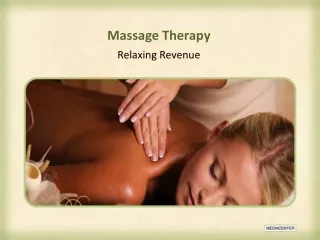
Why Massage Helps You Feel Calm Massage activates the parasympathetic nervous system—the ‘rest-and-digest’ system. This system promotes physiological relaxation and restoration. This reduces your heart rate and encourages deeper, slower breathing. Massage also helps lower cortisol levels, the main stress hormone. At the same time, massage promotes the production of serotonin and dopamine, neurotransmitters linked to mood and emotional balance. These neurophysiological changes help your body relax and recover from the effects of anxiety. You feel more grounded, clear-headed, and equipped to handle life’s challenges.
The Techniques and Therapies That Help Ease Anxiety Swedish Massage Gentle, flowing strokes ease muscle tension and support deep relaxation. Even one session can lower anxiety, slow your heart rate, and boost your mood. Regular sessions are linked to ongoing improvements in anxiety and depression. Swedish massage offers a gentle start to calming the nervous system. Deep Tissue Massage When stress settles deep in the muscles — especially the neck, shoulders, and lower back — deep tissue massage helps. Studies on deep pressure techniques show that they increase dopamine and serotonin levels, supporting calmand emotional regulation.
Myofascial Release Fascia holds both physical and emotional tension and responds to steady pressure. This approach reduces tightness, improves movement, and calms the nervous system. People sleep better and have less anxiety with regular use. Trigger Point Therapy (Ischemic Compression) Trigger points are small muscle knots that add to stress, headaches, jaw tension, and heaviness in the chest and shoulders. Studies on ischemic compression report less anxiety and better nervous system balance. Comfortable, sustained pressure relaxes muscles, improves circulation, and reassures your body’s sense of safety.
Clinical Massage Clinical massage blends deep tissue, myofascial release, and trigger point techniques to ease pain, relieve tension, and calm the nervous system. The approach is guided by your body’s needs—whether it’s shoulder stress, restricted fascia, tired muscles, or posture tension. Many find this combination reduces both physical discomfort and anxiety, encouraging better sleep and more control. Reiki Reiki is a gentle, non-invasive therapy supporting emotional balance, relaxation, and clarity. A recent review suggests that Reiki benefits people with high stress, anxiety, and low mood. People report better heart-rate variability, less stress, and deeper relaxation. Reiki can be used alone or with massage—ideal for those sensitive to touch.
Why Choose Massage Therapy for Anxiety Relief Research shows massage doesn’t just make you feel relaxed—it changes stress markers in your body. Reiki also lowers anxiety, improves heart rate patterns, and deepens relaxation, helping with emotional balance. Regular sessions lower cortisol, calm your nervous system, and help your body recover from stress. Both massage and Reiki are generally safe for most people, but consult your healthcare provider or a certified practitioner if you have health conditions. They can help tailor sessions to your needs and safety. That’s why so many clients report sleeping better, experiencing steadier moods, and noticing fewer physical symptoms after just a few treatments. Massage addresses signs of stress, such as tight shoulders, headaches, and lower back tension. By boosting circulation and easing muscle tightness, massage restores your emotional and physical balance.
Contact Us +44 7522 504724 pavol@clinicalmassagemk.co.uk www.clinicalmassagemk.co.uk Ground Floor, Fortuna House, 651 S, Firth St, Milton Keynes MK9 2PQ, United Kingdom