Mood Disorders - Exploring Depression
0 likes | 20 Vues
In this e-book, we set out on a quest to comprehend the nuances of two common mood disorders: depression and bipolar illness, in this e-book, "Mood Disorders: Exploring Depression and Bipolar Disorder."<br>We explore the definitions, causes, diagnostic standards, available treatments, and experiences of those affected by these medical conditions.<br><br>For more such interesting and informative e-books, visit our website-<br>https://www.counselindia.com/<br>

Mood Disorders - Exploring Depression
E N D
Presentation Transcript
Index 02 Page No. S. No Topic 1 Introduction 04 2 What are Mood Disorders? 05 3 Depression 08 4 Bipolar Disorder 12 5 Diagnosis and Assessment 17 6 Treatment Approaches 21 7 Recovery and Resilience 30
03 S. No Page No. Topic 8 Research and Advances 34 9 Stigma and Advocacy 38 Resources and Further Reading 10 42
04 Introduction Mood Disorders: Exploring Depression and Bipolar Disorder Mood disorders, a category of mental health conditions, have a profound impact on the lives of individuals and the communities in which they live. These disorders, characterized by disturbances in a person's mood, emotions, and energy levels, can significantly affect one's relationships, and overall well-being. In this e-book, "Mood Depression and Bipolar Disorder," we embark on a journey to understand the intricacies of two prevalent mood disorders: depression and bipolar disorder. We delve into their definitions, origins, diagnostic criteria, treatment options, and the personal experiences of those who live with these conditions. quality of life, Disorders: Exploring
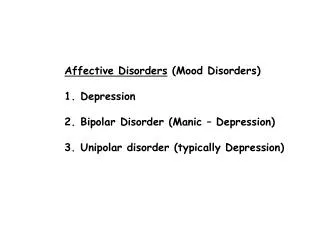
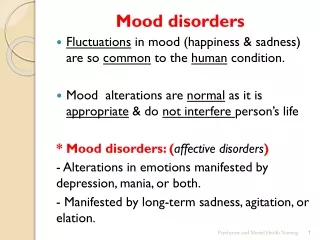
05 Chapter 1 What are Mood Disorders? Mood disorders, also known as affective disorders, are a class of mental health conditions characterized by significant disturbances in a person's emotional state, mood, and overall disturbances can be intense, disruptive, affecting various aspects of a person's life, including their thoughts, feelings, behaviors, and physical health. Defining Mood Disorders Mood disorders encompass conditions, but they all share a common feature: an abnormal or atypical pattern of mood. This pattern can manifest as: well-being. persistent, These and a wide range of Depression: Characterized by persistent feelings of sadness, hopelessness, and a lack of interest or pleasure in activities once enjoyed. Depression can also lead to physical symptoms such as changes in appetite, sleep disturbances, and fatigue.
06 Mania or Hypomania: These elevated mood states are characteristic of bipolar disorder. Mania is more severe, often accompanied by reckless behavior, impulsivity, and impaired judgment, while hypomania is a milder form. Fluctuating Mood: Bipolar disorder is unique in its cycling between depressive and manic or hypomanic episodes. These episodes can be severe and disruptive. Historical Perspective The recognition and understanding of mood disorders have evolved over centuries. In ancient times, mood disturbances were often attributed to supernatural forces or spiritual possession. It was only in more recent history that medical and psychological models emerged to explain these conditions. Today, mood disorders are recognized as complex and multifaceted, involving a combination of genetic, biological, environmental factors. While our understanding has grown significantly, there is still much to learn about the intricacies of these disorders. The Impact on Individuals and Society psychological, and
07 The impact of mood disorders on individuals and society cannot be overstated. These conditions can result in significant suffering, impair one's ability to function in daily life, and even lead to life-threatening situations. Some key points to consider include: Economic Impact: Mood disorders are a leading cause of disability worldwide. They contribute to lost productivity, healthcare costs, and missed workdays. Personal Suffering: Individuals living with mood disorders often experience profound emotional pain, isolation, and a sense of hopelessness. Impact on Relationships: Mood disorders can strain relationships with family, friends, and partners, as the symptoms can be challenging to understand and manage. Risk of Self-Harm and Suicide: In severe cases, mood disorders, particularly depression, can lead to thoughts of self-harm or suicide. It is essential to recognize these warning signs and seek help. increased
08 Chapter 2 What are Mood Disorders? Depression is a mood disorder that touches the lives of millions of people worldwide. It is characterized by persistent feelings of sadness, hopelessness, and a pervasive loss of interest or pleasure in activities that were once enjoyable. While many people feelings of sadness, depression is much more than a passing mood; it is a complex and often debilitating condition that can profoundly impact all aspects of a person's life. Types of Depression Depression is not a one-size-fits-all condition; it comes in various forms. Some common types of depression include: 1.Major Depressive Disorder (MDD): This is the most well-known form of depression. It involves a persistent low mood and loss of interest or pleasure in daily activities, often accompanied by other symptoms like changes in appetite, sleep disturbances, fatigue, worthlessness. experience occasional and feelings of
09 2. Persistent Depressive Disorder (Dysthymia): Unlike MDD, which typically occurs in episodes, dysthymia is a chronic form of depression that lasts for at least two years. It is characterized by milder but long- lasting symptoms. 3. Bipolar Disorder (Manic Depression): Bipolar disorder involves episodes of both depression and mania or hypomania. During manic or hypomanic episodes, individuals may experience elevated mood, increased energy, impulsivity, and sometimes grandiosity. 4. Seasonal Affective Disorder (SAD): SAD is a type of depression that occurs seasonally, usually in the fall and winter months when there is less natural sunlight. It is often linked to changes in light exposure and can lead to symptoms like low energy and increased sleep. 5. Atypical Depression: This subtype of depression includes symptoms such as increased appetite, weight gain, and hypersomnia (excessive sleep). Individuals with atypical depression may also experience mood reactivity, where their mood improves in response to positive events.
10 Symptoms and Diagnostic Criteria To be diagnosed with major depressive disorder, a person must experience a specific combination of symptoms for at least two weeks. Common symptoms include: Depressed mood: Feeling sad, empty, or hopeless most of the day, nearly every day. Loss of interest or pleasure: Diminished interest in or the ability to derive pleasure from most activities. Appetite or weight changes: Significant weight loss or gain, or changes in appetite. Sleep disturbances: Insomnia (inability to sleep) or hypersomnia (excessive sleep). Fatigue or loss of energy: Feeling tired or lacking energy nearly every day. Feelings of worthlessness or excessive guilt: A sense of worthlessness or guilt that is disproportionate to the situation. Difficulty concentrating: Reduced ability to think or make decisions. Psychomotor agitation or retardation: Restlessness or slowed physical movements. Recurrent thoughts of death or suicide: Thoughts of death, suicidal ideation, or suicide attempts. These symptoms can vary in intensity and duration, and not everyone with depression will experience all of them. The severity of depression can range from mild to severe, and it can manifest differently in each individual.
11 Causes and Risk Factors Depression is a complex condition with multiple contributing factors, including: Biological neurotransmitters norepinephrine can play a role in depression. Genetic predisposition may also increase the risk. Psychological Factors: Life events such as trauma, loss, or chronic stress can trigger depression. Negative thought patterns and low self-esteem can also contribute. Environmental Factors: Factors like a lack of social support, financial difficulties, or exposure to a toxic environment can increase the risk of depression. Physical Health: Certain medical conditions, such as chronic illnesses or hormonal imbalances, can be linked to depression. Factors: Imbalances serotonin in like and
12 Chapter 3 Bipolar Disorder Bipolar disorder, formerly known as manic depression, is a mood disorder characterized by extreme and often abrupt shifts in mood, energy, and activity levels. Individuals with bipolar disorder experience alternating episodes of depression and mania or hypomania, which can have a profound impact on their lives and the lives of those around them. Types of Bipolar Disorder Bipolar disorder is not a one-size-fits-all condition. There are several types of bipolar disorder, each characterized by the nature and severity of mood episodes. The most common types include:
13 1. Bipolar experience at least one manic episode that lasts for at least one week. Depressive episodes often accompany these manic episodes, but they are not required for the diagnosis. Bipolar II Disorder: Bipolar II involves recurrent depressive episodes and at least one hypomanic episode. Hypomania is a less severe form of mania, characterized by elevated mood and increased energy. Unlike mania, typically lead to severe hospitalization. Cyclothymic Disorder: Cyclothymic disorder is a milder form of bipolar disorder characterized by numerous periods of hypomanic and depressive symptoms that do not meet the criteria for full- blown episodes. These symptoms persist for at least two years in adults (one year in children and adolescents). I Disorder: In Bipolar I, individuals 2. hypomania does not or impairment 3.
14 Mania, Hypomania, and Depression in Bipolar Understanding the contrasting mood states in bipolar disorder is essential: Mania: Mania is the hallmark of bipolar disorder. During a manic episode, individuals experience an elevated or irritable mood, a surge in energy, impulsivity, decreased sometimes grandiosity. Mania can lead to reckless behavior, strained relationships, and problems at work or school. Hypomania: Hypomania is a less severe form of mania. While it includes many of the same symptoms, they are less intense and disruptive. Individuals with hypomania productive or creative but can also experience impaired judgment. Depression: Similar to major depressive disorder, individuals with bipolar depressive episodes characterized by persistent sadness, loss of interest or pleasure, changes in appetite or sleep, fatigue, worthlessness or guilt. need for sleep, and may be more disorder experience and feelings of
15 Genetics and Biological Factors Research suggests that genetics play a significant role in bipolar disorder. If a close family member has bipolar disorder, the risk of developing the condition is higher. Additionally, there is evidence of biological factors, such as imbalances in neurotransmitters like serotonin and norepinephrine, contributing to the disorder's onset and progression. Living with Bipolar Disorder Living with bipolar disorder can be challenging, but it is possible to manage the Treatment typically involves strategies: condition a effectively. combination of Medications: Mood stabilizers, antipsychotics, and sometimes antidepressants manage mood episodes. Psychotherapy: Cognitive-behavioral (CBT), psychoeducation, and family therapy can help individuals and their loved ones better understand and manage the disorder. Lifestyle Management: Regular sleep patterns, stress reduction, and a healthy lifestyle can play a crucial role in managing bipolar disorder. are prescribed to therapy
16 Support network, including family, friends, and support groups, can provide invaluable assistance. Monitoring and Self-Care: Individuals with bipolar disorder often benefit from monitoring their mood and recognizing early signs of mood episodes. Self- care practices like exercise, mindfulness, and stress management are essential. Systems: Building a strong support In this chapter, we've explored the distinct features of bipolar disorder, including its types, the contrasting mood states of mania, hypomania, and depression, genetic and biological factors, and strategies for living with the condition. Understanding bipolar disorder is the first step toward effective management and improved quality of life. In the next chapter, we will delve into the diagnostic processes and assessment tools used to identify mood disorders like bipolar disorder.
17 Chapter 4 Diagnosis and Assessment Accurate diagnosis and thorough assessment are crucial steps in the management of mood disorders like depression and bipolar disorder. In this chapter, we'll explore how mood disorders are diagnosed, the use of screening tools and questionnaires, and the vital role mental health professionals play in this process. How Mood Disorders are Diagnosed Diagnosing mood disorders involves a systematic evaluation of an individual's mental health, emotional state, and behavioral patterns. Mental health professionals use the criteria outlined in the Diagnostic and Statistical Manual of Mental Disorders (DSM-5), published by the American Psychiatric Association, as a guideline for diagnosis. Key steps in the diagnostic process include:
18 Clinical Assessment: This typically begins with a comprehensive clinical interview, during which the individual discusses their symptoms, personal history, and any family history of mood disorders. Observation: Mental health professionals observe the individual's behavior, appearance during the assessment process. Assessment Tools: Standardized assessment tools, questionnaires, and rating administered to help assess the severity of symptoms and track changes over time. Medical Evaluation: A thorough medical evaluation is often conducted to rule out any underlying physical conditions or medication side effects that could be contributing to the mood symptoms. Family History: A family history of mood disorders or other mental health conditions is considered as it can influence an individual's risk. Screening Tools and Questionnaires Several screening tools and questionnaires are used to aid in the diagnosis and assessment of mood disorders. These tools professionals gather specific information about an individual's symptoms and their impact on daily life. Some commonly used assessments include: 1. 2. mood, and overall 3. scales may be 4. 5. help mental health
19 Patient Health Questionnaire-9 (PHQ-9): A widely used self-report questionnaire that assesses the severity of depression symptoms. It includes questions about mood, changes in appetite and sleep. Beck Depression Inventory (BDI): Another self- report questionnaire that measures the severity of depressive symptoms. It evaluates emotional, cognitive, and physical symptoms of depression. Hamilton Rating Scale for Depression (HAM-D): A clinician-administered scale that assesses the severity of depression symptoms through a structured interview. Mood Disorder Questionnaire questionnaire helps screen for bipolar disorder by asking about episodes of elevated mood and energy, as well as depressive symptoms. Young Mania Rating Scale (YMRS): A clinician- administered scale used to assess the severity of manic or hypomanic disorder. These screening tools and questionnaires provide valuable information for mental health professionals to make an accurate diagnosis and determine the most appropriate treatment plan. energy levels, and (MDQ): This symptoms in bipolar
20 The Role of Mental Health Professionals The diagnosis and assessment of mood disorders are typically carried out by trained mental health professionals, including psychiatrists, psychologists, clinical social workers, practitioners. Their roles include: and psychiatric nurse Conducting clinical interviews and the use of assessment tools. Determining whether an individual meets the criteria for a mood disorder diagnosis. Differentiating between various types and subtypes of mood disorders, such as major depressive disorder and bipolar disorder. Collaborating with other healthcare providers, when necessary, to rule out medical conditions that may mimic mood disorder symptoms. Developing personalized treatment plans based on the diagnosis and individual needs. The process of diagnosis and assessment is a critical starting point on the journey toward understanding and managing mood disorders. It allows individuals to receive appropriate care and support tailored to their specific condition and chapters, we will explore approaches for mood psychotherapy, medication, lifestyle modifications, and complementary therapies. thorough assessments, including needs. In the following treatment including various disorders,
21 Chapter 5 Treatment Approaches The treatment of mood disorders like depression and bipolar disorder often approach that may medications, lifestyle complementary or alternative chapter, we will delve into these treatment modalities and their roles in managing mood disorders. involves include modifications, therapies. a multifaceted psychotherapy, and this In Psychotherapy: Cognitive-Behavioral Therapy, Interpersonal Therapy Psychotherapy, counseling, is a fundamental component of the treatment for mood disorders. Two widely used forms of psychotherapy for these conditions include: also known as talk therapy or
22 Cognitive-Behavioral Therapy (CBT): CBT is a structured, goal-oriented individuals identify and modify negative thought patterns and behaviors contributing to their mood disorder. It teaches coping strategies, problem- solving skills, and ways to challenge irrational beliefs. CBT has been particularly effective in the treatment of depression. Interpersonal Therapy improving an individual's interpersonal relationships and addressing difficulties in communication and social functioning. It helps individuals identify and resolve conflicts or stressors contributing to their mood disorder. Psychotherapy provides environment for individuals to explore their thoughts and feelings, gain insight into their condition, and develop effective strategies for managing symptoms. therapy that helps (IPT): IPT focuses on that may be a safe and supportive Medications: Antidepressants, Mood Stabilizers Medications can play a crucial role in treating mood disorders, especially when symptoms are severe or significantly impair daily medications used in the treatment of these disorders include: functioning. Common
23 Antidepressants: These medications are prescribed to alleviate symptoms of depression. They work by increasing the levels of certain neurotransmitters in the brain. There are antidepressants, including reuptake inhibitors norepinephrine reuptake inhibitors (SNRIs), and others. Mood Stabilizers: Mood stabilizers are primarily used in the treatment of bipolar disorder to help manage manic or hypomanic episodes. Lithium, anticonvulsant medications, and certain atypical antipsychotics fall into this category. It's essential to work closely with a healthcare provider to find the right medication, as individual responses can vary. Medications should be carefully monitored for effectiveness and potential side effects. different selective (SSRIs), classes serotonin serotonin- of Lifestyle Modifications Lifestyle modifications can have a significant impact on mood disorder management. These may include: Regular Sleep Patterns: Maintaining a consistent sleep schedule can help stabilize mood. Sleep disturbances are common in mood disorders and can exacerbate symptoms.
24 Healthy Diet: A balanced diet with adequate nutrients can support overall well-being. Some individuals find dietary adjustments, such as reducing caffeine or sugar intake, beneficial. Exercise: Regular physical activity has been shown to have mood-lifting effects. It can help reduce symptoms of depression and improve overall mental health. Stress Management: Developing effective stress management techniques, such as mindfulness, relaxation exercises, or yoga, can be helpful in reducing symptom severity. Substance Avoidance: recreational drugs is essential, as these substances can worsen mood disorder symptoms and interact negatively with medications. Avoiding alcohol and Complementary and Alternative Therapies Complementary and alternative therapies can be used alongside traditional treatments for mood disorders. These therapies include: Mindfulness and Meditation: Practices that promote mindfulness and meditation can help individuals manage stress and improve emotional well-being.
25 Acupuncture: Some individuals find acupuncture helpful in reducing symptoms of depression or anxiety. Herbal Supplements: Certain herbal supplements, such as St. John's Wort (for depression) or omega-3 fatty acids, are sometimes used as complementary treatments. However, their use should be discussed with a healthcare provider, as they can interact with medications. Exercise Therapies: Activities like yoga, tai chi, or dance therapy can provide both physical and emotional benefits. Treatment approaches should be individualized, and what works best for one person may differ from another. A combination of treatments, tailored to the specific needs and preferences of the individual, often yields the best results.
26 Chapter 6 Living with a Mood Disorder Living with a mood disorder, such as depression or bipolar disorder, can present unique challenges. In this chapter, we will explore importance of support systems, and tips for navigating daily life while managing these conditions. coping strategies, the Coping Strategies Coping with a mood disorder requires a combination of strategies to help individuals manage their symptoms and improve their overall quality of life. Here are some effective coping strategies: Seek Professional Help: Consult with mental health professionals who specialize in mood disorders. Therapy and medication management can be essential components of treatment.
27 Learn About Your Condition: Education is empowering. Understanding the nature of your mood disorder, its triggers, and the available treatment options can help you make informed decisions about your care. Develop a Routine: Establishing a daily routine can provide structure and stability. It can include regular sleep patterns, meal times, and exercise routines. Mindfulness and Relaxation: Practicing mindfulness meditation, deep breathing exercises, or progressive muscle relaxation can help manage stress and reduce symptoms. Set Realistic Goals: Break larger goals into smaller, achievable steps. Setting realistic expectations for yourself can prevent feelings of overwhelm. Engage in Enjoyable Activities: Make an effort to engage in activities that bring you joy, even when you don't feel like it. Doing things you enjoy can help lift your mood. Maintain Social Connections: Stay connected with friends and loved ones. Isolation can worsen symptoms, so nurturing social relationships is essential. Journaling: Keeping a journal can be a therapeutic way to express your thoughts and feelings. It can also help you track your mood patterns.
28 Avoid Remember conditions, and self-blame is unhelpful. Support Systems Support from friends, family, and support groups can be invaluable when living with a mood disorder. Here's how support systems can make a difference: 1. Self-Criticism: that Be gentle disorders with are yourself. medical mood Family and Friends: Inform your loved ones about your condition, treatment plan, and how they can support you. Open communication can strengthen relationships and reduce stigma. Support Groups: Joining a support group for individuals with mood disorders can provide a sense of community and understanding. Sharing experiences with others who face similar challenges can be reassuring. Therapeutic Relationships: collaborative relationship with your mental health professionals is crucial. They can offer guidance, encouragement, and tailored treatment. Advocacy: If you feel becoming an advocate awareness and reducing stigma. Sharing your story can inspire others and help change perceptions. 2. 3. A positive and 4. comfortable, for consider health mental Navigating Daily Life Living with a mood disorder means managing your condition within the context of daily life. Here are some tips for doing so effectively:
29 1. Medication medications, take them as directed by your healthcare provider. Keep track of side effects and report any concerns promptly. Self-Care: Prioritize self-care practices, including healthy eating, regular exercise, adequate sleep, and stress management. Communication: Communicate healthcare team about your progress, concerns, and any changes in your symptoms. Work and School: If you're working or studying, consider informing your employer or school about your condition. They may be able to provide accommodations or support. Plan for Crises: Develop a crisis plan with your mental health provider and loved ones. Knowing what to do in times of crisis can provide reassurance. Management: If you are prescribed 2. 3. openly with your 4. 5. Living with a mood disorder is a journey that can have its ups and downs. It's important to remember that recovery is possible, and you are not alone in your struggle. By implementing coping strategies, building a strong support network, and effectively managing daily life, individuals with mood disorders can achieve stability and lead fulfilling lives.
30 Chapter 7 Recovery and Resilience Recovery from mood disorders, such as depression and bipolar disorder, is not only possible but achievable. In this chapter, we will explore inspiring stories of recovery, strategies for building resilience, and managing the possibility of recurrence. Stories of Recovery Recovery from a mood disorder is a deeply personal journey, and each individual's path is unique. Hearing stories of others who have faced and overcome these challenges can provide hope, inspiration, and a sense of camaraderie. Here are a few stories of individuals who have embarked on their own journeys to recovery:
31 Sarah's Story: After years of battling depression, Sarah found relief through a combination of medication and cognitive-behavioral therapy. She now lives a fulfilling life, pursuing her passions and maintaining a strong support network. Alex's Journey: Alex was diagnosed with bipolar disorder and initially struggled with accepting his condition. With the support of his family and consistent medication learned to manage his mood episodes and even become an advocate for mental health awareness. Maria's Path: Maria depressive episode that led her to seek help. Through therapy and developed coping strategies that have allowed her to maintain emotional stability and thrive in her personal and professional life. These stories illustrate that recovery is possible and that individuals living with mood disorders can go on to lead fulfilling lives. While the path to recovery may have its share of challenges, it is a journey marked by strength, resilience, and growth. management, he has experienced a major lifestyle changes, she Building Resilience Resilience is the ability to adapt and bounce back from adversity. It is a valuable skill for individuals living with mood disorders. Here are some strategies for building resilience:
32 1. Develop a Support Network: Cultivate relationships with friends and family who can offer emotional support during difficult times. Mindfulness and Stress Reduction: Practices like mindfulness meditation can help you manage stress and stay grounded. Self-Care: Prioritize self-care promote mental and emotional well-being, such as exercise, adequate sleep, and healthy eating. Set Realistic Goals: Break down larger goals into smaller, achievable steps. successes along the way. Seek Professional Help: Continue to engage with mental health professionals even during periods of stability. Regular check-ins can help prevent relapses. Education: Stay informed about your condition. Understanding your triggers and treatment options empowers you to take control of your well-being. Positive Self-Talk: Challenge negative self-talk and replace it with more compassionate thoughts. Adaptability: Be open to adapting your coping strategies as needed. What works best may change over time. 2. 3. activities that 4. Celebrate your 5. 6. 7. constructive and 8.
33 Managing Recurrence While recovery acknowledge bipolar disorder, can involve episodes of recurrence. Here are some strategies for managing the possibility of recurrence: 1. is attainable, mood it's essential particularly to that disorders, Early Intervention: Be vigilant about recognizing early warning signs of mood episodes. Early intervention can often prevent episodes from escalating. Medication Adherence: Continue taking prescribed medications as directed by your healthcare provider, even during periods of stability. Crisis Plan: Develop a crisis plan with your mental health provider and support network. Having a plan in place can help you navigate difficult times. Support Network: Lean on your support network for assistance when needed. emotional support and help you stay on track with your treatment plan. Regular Check-Ins: Continue regular check-ins with your mental health professionals, even when you're feeling well. These appointments can serve as a preventive measure. Recovery is not a linear process, and setbacks can occur. 2. 3. 4. They can provide 5.
34 Chapter 8 Research and Advances The field of mood disorders is constantly evolving, with ongoing research and promising treatment approaches offering hope for the future. In this chapter, we will explore the latest developments in mood disorder research, the potential of emerging treatments, and what the future may hold for mood disorder treatment. Ongoing Research in Mood Disorders Mood disorder research encompasses a wide range of investigations aimed at better understanding the underlying causes, improving diagnosis, and developing more effective treatments. Some areas of ongoing research include: Neurobiology: Researchers are exploring the brain's structure and function to uncover the neural pathways and neurotransmitter systems involved in mood regulation. This knowledge can lead to more targeted treatments. Genetics: Genetic studies are identifying specific genes and genetic variations that may increase susceptibility to mood disorders. This research can potentially lead to approaches. personalized treatment
35 Biomarkers: The search for reliable biomarkers— measurable indicators in the body that correlate with mood disorders—is ongoing. Biomarkers can aid in diagnosis and treatment monitoring. Treatment Modalities: Researchers are continually refining psychotherapeutic approaches, such as cognitive-behavioral therapy, and exploring novel interventions like transcranial stimulation (TMS) and ketamine therapy. Comorbidity: Research is examining the complex relationship between mood disorders and other conditions, such as substance use disorders, to improve treatment outcomes. Promising Treatment Approaches Emerging treatment approaches show promise in the management of mood disorders: magnetic anxiety disorders and Ketamine Therapy: Ketamine, traditionally used as an anesthetic, has antidepressant effects. It is being investigated as a treatment option, especially for individuals with treatment-resistant depression. Transcranial Magnetic Stimulation (TMS): TMS is a non-invasive technique that uses magnetic fields to stimulate specific brain regions. shown rapid-acting
36 Psychedelic-Assisted Therapy: Substances like psilocybin and MDMA are being researched in combination with psychotherapy to potentially provide breakthrough experiences for individuals with mood disorders. Digital Therapeutics: Mobile apps and digital platforms are being evidence-based psychotherapy and support to individuals with mood disorders. Precision Medicine: Advances in genetics and biomarker research may personalized treatment plans tailored to an individual's unique biological and psychological profile. The Future of Mood Disorder Treatment The future of mood disorder treatment holds exciting possibilities: developed to deliver lead to more Early Intervention: Research may lead to the development of predictive models that identify individuals at risk of developing mood disorders, allowing for early intervention and prevention. Personalized Treatment: Advances in genetics and neuroimaging could enable healthcare providers to tailor treatments to an individual's specific needs, increasing treatment effectiveness. Reducing Stigma: As research continues to shed light on the biological basis of mood disorders, it may help reduce the stigma associated with these conditions, leading to greater acceptance and support for affected individuals.
37 Telehealth and Digital Support: The integration of telehealth and digital tools will likely continue to expand, making mental health support more accessible and convenient. Global Mental Health: International collaboration in research and treatment contribute to a better understanding of mood disorders and improved access to care worldwide. While the field of mood disorder research holds immense promise, it is essential to remember that progress takes time. In the meantime, individuals living with mood disorders can access a range of effective treatments and support services to help manage their conditions and lead fulfilling lives. approaches will
38 Chapter 9 Stigma and Advocacy Stigma surrounding mood disorders, such as depression and bipolar disorder, can be a significant barrier to seeking help, receiving proper treatment, and fostering understanding in society. In this chapter, we will explore ways to reduce stigma, the essential role of advocacy organizations, and the importance of promoting mental health awareness. Reducing Stigma Surrounding Mood Disorders Stigma refers to negative attitudes, stereotypes, and discrimination directed toward individuals with mental health conditions. Reducing stigma is crucial to creating an environment where those affected by mood disorders feel safe, supported, and encouraged to seek help. Here are some strategies for reducing stigma: 1
39 Education: Promote awareness and understanding of mood disorders by information about their causes, symptoms, and treatment options. Education can dispel myths and misconceptions. Open Conversations: Encourage open and honest conversations about mental health within families, schools, workplaces, and communities. Sharing personal experiences can humanize mental health conditions. Language Matters: Use respectful and non- stigmatizing language when discussing mental health. Avoid derogatory terms or labels that perpetuate stereotypes. Media Representation: Advocate for responsible media representation of mental health issues. Accurate and sensitive portrayals in the media can challenge stereotypes. Support and Empathy: Foster a culture of support and empathy. Encourage individuals to seek help without fear of judgment. Promote Inclusivity: Ensure that individuals with mental health conditions are included in all aspects of life, including education, employment, and social activities. providing accurate
40 The Role of Advocacy Organizations Advocacy organizations play a crucial role in raising awareness, providing resources, and advocating for the rights of individuals with mood disorders. Their efforts help combat stigma and improve access to mental health services. Key roles of advocacy organizations include: 1. Raising campaigns, events, and educational initiatives to raise awareness about mood disorders and the importance of mental health. Policy Advocacy: These organizations advocate for policies and legislation that improve mental health care access, funding, and parity with physical health care. Support and Resources: Advocacy groups often provide support networks, helplines, and resources for individuals and families affected by mood disorders. Research Funding: Some research into the causes and treatment of mood disorders, contributing to scientific advancements. Destigmatization Efforts: Advocacy organizations work to reduce stigma through public awareness campaigns and challenging practices. Awareness: Advocacy groups organize 2. 3. 4. organizations fund 5. discriminatory
41 Promoting Mental Health Awareness Promoting mental health awareness is a collective effort that extends beyond advocacy organizations. Here are ways individuals and communities can contribute to this important cause: 1. Education: Learn about mood disorders and share accurate information with friends, family, and colleagues. Encourage others to do the same. Supportive Listening: Be a supportive listener when someone wants to talk about their mental health. Show empathy and compassion. Destigmatize Help-Seeking: Encourage individuals to seek professional help when needed. Normalize seeking therapy or counseling as a proactive step toward mental well-being. Mental Health First Aid: Consider taking a Mental Health First Aid course to learn how to provide initial support to someone experiencing a mental health crisis. Participate in Mental Health Initiatives: Get involved in local or national mental health initiatives, events, and fundraisers to promote destigmatization. Challenge Stereotypes: stigmatizing language or encounter them, whether in person or online. 2. 3. 4. 5. awareness and 6. Speak attitudes out against when you
42 Chapter 10 Resources and Further Reading This chapter provides a list of recommended books, websites, organizations, helplines, and support groups that can be valuable resources for individuals seeking information, support, and assistance related to mood disorders. Recommended Books 1. "The Noonday Demon: An Atlas of Depression" by Andrew Solomon An exploration of depression that combines personal narrative, research, and interviews with individuals who have experienced depression. "An Unquiet Mind: A Memoir of Moods and Madness" by Kay Redfield Jamison A candid memoir by a clinical psychologist who shares her personal journey with bipolar disorder. 2.
43 Helplines and Support Groups 1. National Suicide Prevention Lifeline - 1-800-273-TALK (1-800-273-8255) A confidential 24/7 helpline for individuals in crisis or experiencing thoughts of suicide. Crisis Text Line - Text "HELLO" to 741741 A text-based crisis support service available 24/7. Depression and Bipolar Support Alliance (DBSA) Support Groups - Find a Support Group DBSA offers in-person and online support groups for individuals living with depression and bipolar disorder. National Alliance on Mental Illness (NAMI) Support Groups - Find a Support Group NAMI offers various support groups, including those for individuals with mood disorders and their families. 2. 3. 4. These resources provide valuable information, support, and connections for individuals and families affected by mood disorders. Remember that seeking help and support is a positive step toward managing and overcoming these conditions.
40 ABOUT COUNSEL INDIA Shivam Dixit and Bobby Thakur founded Counsel India in 2016 to raise awareness of mental health and provide counselling. Our first offering was Mind Power Training , a 21- day program designed to help individuals develop a belief system that encourages internal growth. We then began directing syndicated programs, classes, stand-ups, and bunch collaborations to get individuals pay attention to psychological well-being and brain science.
41 When the world went online during Covid, we made our courses available to individuals all over India and outside the country. By 2022, we had reached new heights with a thriving community of more than 100,000 students from 15 countries, 10,000 successful alumni, and 1 million social media followers. Now we have our own web and mobile platforms in 2023 to broaden our offerings and reach.
SUCCESS STORIES 42 BOOK YOUR FREE CALL WITH MENTOR NOW www.counselindia.com