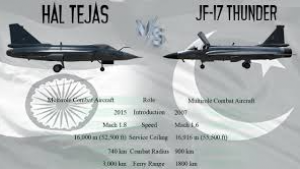
The comparison of JF-17 vs Tejas continues to evolve as both aircraft move beyond their original designs and enter new phases of modernization. Rather than remaining static platforms, these light fighter jets are being continuously upgraded to meet the demands of modern air warfare. At Crew Daily, we look beyond current specifications to understand how future improvements, strategic value, and long-term planning shape the real impact of these aircraft.
Evolution Beyond the Original Design
Both JF-17 and Tejas were created to replace aging fighter fleets, but their journeys did not stop at initial deployment. Each aircraft was designed with growth in mind. The JF-17 has progressed through multiple blocks, with Block III representing a major leap in capability. Similarly, Tejas has evolved through the Mk1, Mk1A, and future Mk2 variants, each adding new systems and improved performance.
This ability to evolve is crucial in modern aviation, where threats, technology, and mission requirements change rapidly. The JF-17 vs Tejas debate now centers as much on future potential as on present-day performance.
Planned Upgrades and Modernization
The JF-17 Block III introduces several significant upgrades, including an advanced AESA radar, improved electronic warfare systems, and enhanced data-link capabilities. These additions improve survivability and situational awareness, allowing pilots to operate more effectively in contested airspace.
Tejas Mk1A focuses heavily on avionics upgrades, radar improvements, and enhanced electronic countermeasures. The upcoming Tejas Mk2 aims to deliver greater range, increased payload capacity, and more powerful engines. These changes are intended to make Tejas competitive well into the next decade.
Stealth and Survivability Considerations
While neither aircraft is a true stealth fighter, both incorporate design features that reduce detectability. Tejas benefits from composite materials that lower radar cross-section, while JF-17 focuses on electronic countermeasures and flexible mission planning to enhance survivability.
In the context of JF-17 vs Tejas, survivability is achieved through different methods—one emphasizing materials and aerodynamics, the other prioritizing cost-effective electronic protection.
Strategic Importance to National Defense
JF-17 plays a vital role in strengthening Pakistan’s air defense by offering a reliable and affordable platform that can be rapidly deployed and upgraded. Its flexibility allows it to support air policing, strike missions, and reconnaissance tasks.
Tejas serves as a cornerstone of India’s aerospace ambitions. Beyond its combat role, it represents technological self-reliance and long-term industrial growth. This strategic value goes far beyond the aircraft’s battlefield performance.
Training, Readiness, and Force Expansion
Both aircraft support modern pilot training programs through advanced simulators and digital systems. JF-17’s simpler systems reduce training time, allowing pilots to transition quickly. Tejas emphasizes advanced training environments that prepare pilots for high-tech combat scenarios.
This difference reflects broader strategic priorities in the JF-17 vs Tejas comparison—rapid force readiness versus deep technological integration.
Export Potential and Global Influence
JF-17 has already achieved export success, serving multiple air forces worldwide. Its affordability, adaptable weapons compatibility, and upgrade flexibility make it appealing to nations with limited defense budgets.
Tejas is gradually entering the global market, targeting countries seeking advanced light fighters with strong long-term upgrade paths. While its export journey is still developing, its technological depth gives it strong future potential.
Long-Term Sustainability
Sustainability is a key factor in modern defense planning. JF-17’s lower operating costs and modular upgrades make it easier to sustain over decades. Tejas, while more expensive, is designed to grow alongside advancing technology, ensuring relevance through continuous enhancement.
In long-term planning, the JF-17 vs Tejas debate reflects two sustainable but different approaches to airpower development.
Conclusion
The future of JF-17 vs Tejas is not defined by a single winner but by evolving strategic needs. JF-17 emphasizes affordability, scalability, and rapid readiness, while Tejas represents advanced engineering, national innovation, and long-term technological growth. Crew Daily believes both aircraft will remain important players in regional and global airpower, shaping the future of light fighter aviation through continuous modernization.