How Rhinoplasty Is Performed_ Step-by-Step Process
0 likes | 5 Vues
Rhinoplasty, commonly known as a nose job, is a surgical procedure designed to alter the shape or function of the nose. It can be performed for cosmetic reasons, to enhance the appearance of the nose, or for medical reasons, such as improving breathing issues. The rhinoplasty procedure involves several steps that require careful planning and execution to achieve the desired results. If you are considering rhinoplasty surgery, understanding the process can help alleviate concerns and prepare you for the journey ahead.


How Rhinoplasty Is Performed_ Step-by-Step Process
E N D
Presentation Transcript
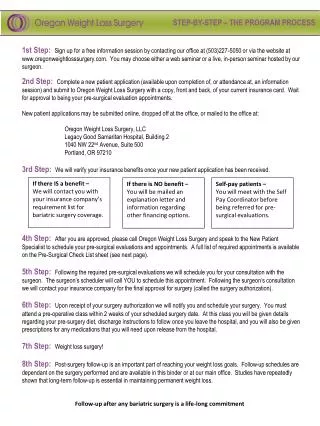
How Rhinoplasty Is Performed: Step-by-Step Process Rhinoplasty, commonly known as a nose job, is a surgical procedure designed to alter the shape or function of the nose. It can be performed for cosmetic reasons, to enhance the appearance of the nose, or for medical reasons, such as improving breathing issues. The rhinoplasty procedure involves several steps that require careful planning and execution to achieve the desired results. If you are considering rhinoplasty surgery, understanding the process can help alleviate concerns and prepare you for the journey ahead. Step 1: Consultation and Planning The process of rhinoplasty begins with an initial consultation with a skilled surgeon. During this consultation, the surgeon will assess your nasal anatomy, discuss your aesthetic goals or medical concerns, and determine whether rhinoplasty is the appropriate solution. They will also explain the potential outcomes, risks, and recovery process. Photographs may be taken for reference, and in some cases, 3D imaging may be used to help visualise the anticipated results. Step 2: Anesthesia On the day of the surgery, the patient is placed under general anaesthesia or local anaesthesia with sedation, depending on the complexity of the procedure. General anaesthesia ensures that the patient remains unconscious throughout the surgery, while local anaesthesia numbs only the nose area. The anaesthesia is administered by a trained professional to ensure the patient's safety and comfort. Step 3: Incision The next step involves making incisions. Rhinoplasty can be performed through either an open or closed approach. In a closed rhinoplasty, all incisions are made inside the nose, which leaves no visible scars. In an open rhinoplasty, a small incision is made across the columella (the tissue between the nostrils), with additional incisions inside the nose. The choice of technique depends on the complexity of the surgery and the surgeon's preference. Step 4: Reshaping the Nose Once the incisions are made, the surgeon carefully reshapes the nasal structures. This may involve removing or repositioning cartilage and bone to improve the appearance or function of the nose. In some cases, a graft of cartilage may be taken from another part of the body, such as the ear or rib, to support the nose or correct any structural issues. Step 5: Closing the Incisions After the desired changes are made, the incisions are carefully closed using sutures. If an open technique was used, the surgeon will close the incision across the columella, leaving a small,
discreet scar. A splint or dressing may be placed over the nose to support the new shape and protect the healing tissues. Step 6: Recovery Post-operative care is crucial for achieving optimal results. After surgery, patients are typically advised to rest with their head elevated and avoid strenuous activity. Swelling and bruising are common in the initial days following the procedure but usually subside within a few weeks. The final results of the rhinoplasty become more apparent after several months, once the swelling fully subsides. For those considering rhinoplasty, it is essential to consult with an experienced and reputable surgeon. Visiting the Rhinoplasty surgery near kasturchand park, Nagpur ensures that you receive expert care and personalised treatment, helping you achieve the best possible outcome from the procedure.