Branding and Packaging Design
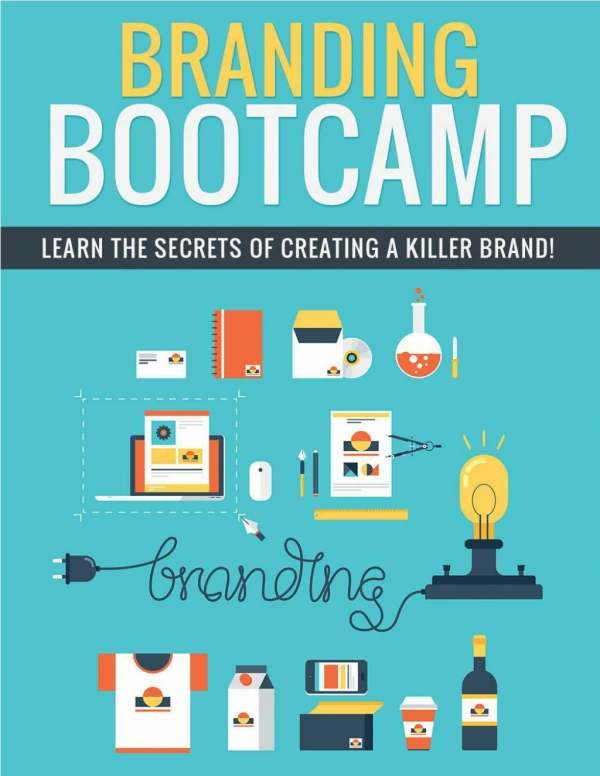
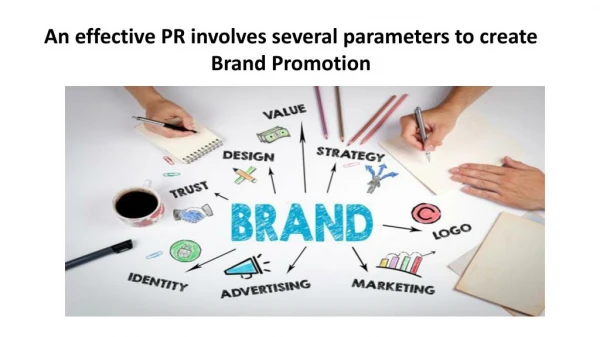
"Everything you do creates the brand experience. Ergo, design is your brand." (Robert Brunner, designer and author) Packaging design is a natural and crucial platform to build brand and promote identity. Itu2019s a means of communicating a brandu2019s value proposition u2014 who your product is for and why itu2019s better and different than others on the market today. Branded packaging can enhance your product, communicate your brand values and persona, and carry your brand story to your customer. In the present age of globalisation where the customer has a huge number of brands to choose from, effective product branding with design u2018stand outu2019 is an ongoing challenge. Brand creation Whether launching new brands or refreshing old ones in today's competitive, cluttered marketplace, it requires creativity and strategic thinking to achieve brand differentiation. For established brands, marketers need to evaluate market dynamics and take measures about the product and its packaging. Marketers could fine tune look and feel, upfront a particular feature and drop another, introduce a variant or new messaging, etc. to refresh and re-launch the brand. For new products, it starts with brand identity which involves designing name, symbol and logo for the product. Companies need to give their product a unique name that will provide distinction from similar products being offered by competitors. A good name that registers quickly, resonates with consumers, is memorable and positions itself above the competition in the consumer's mind, is what every marketer wants for their product. So how does one arrive at the 'perfect' name? There's no magic formula or sure-shot method to generate a brand name. It has to be worked on, through a carefully prepared strategy, with a lot of study, research and creativity. Given the mind-boggling number of brands in our globalised world, itu2019s a complex and difficult process. It also involves stringent legal checks. Basic considerations for product branding For a brand name to be effective, these are a few points to remember. It should: u2022tbe catchy and easy to recall u2022tsuggest product benefit u2022thave a distinctive appeal u2022tbe such that it can be registered as a trade mark Once you arrive at a u2018goodu2019 name, creating a unique brand identity and branding strategy is vital for success. Logo design is the cornerstone of brand identity. It should: u2022tClearly communicate who you are and what you value as a brand u2022tBe visually appealing: aim for simple, clean and uncluttered u2022tBe classic, not trendy: your logo design should have longevity u2022tMake a lasting impression on your audience. Product Branding and Packaging Design After product branding, packaging is key to attracting the right customers. Packaging is an excellent opportunity for your identity design to shine. Maybe you have some great ideas for packaging design but it helps to keep a few things in mind: Information architecture: Think of your buyers and where they are going to find your product. Then decide the one main thing you want them to know. It could be the catchy name, a witty tagline, a beautiful photo of your product - pick what you think is most important and make it the hero of your design. Brand prominence: Especially if it is a new brand launch, brand identity should be bold and clear on your packaging landscape. Legible and appealing from a distance, if sold at retail stores. Clarity about your product: At one glance, it should be clear what the product is and what it does. Honesty of representation: Ideally, any photos you use in the packaging design should be actual ones of the product, naturally made as attractive as possible. Misrepresentation could leave the customer feeling cheated. Or you could build in a transparent window so customers can see what they are buying. Shelf impact: Consider how much of your packaging will be visible on crowded retail shelves; is your most important information on that face; how does it compare with the competition; when lined up or stacked together, do you want to create a pattern; etc. Effects & finish: Brand experience is built with textures, fonts, colours, compositions on a package. Your design and finish should reflect the brand persona and the position you want for your brand. A premium position will warrant distinctive features and high quality printing; bright youthful graphics will inspire positivity, customised illustrations will imbue uniqueness, etc. Conclusion Packaging is an integral part of branding and vice versa. Branding gives identity and image to a product, and packaging design promotes and enhances branding. Whether enjoying their favourite snack, having a refreshing drink, cooking with packaged products or using everyday household products, consumers come into contact with packaging every day. Packaging is the first line of communication between the customer and your product and is thus, a crucial marketing tool for your business. Interics Designs is an Interdisciplinary Design Consultancy offering holistic and integrated solutions, for strong and Sustainable Brand Building. From brand naming and label design to structure design, our Packaging design methodology helps develop your brand to stand out in the crowd, and create a memorable brand experience for the customer. As a top branding agency India, and strategic brand consultants with over 25 years of rich experience in brand building and graphic design, we harness market research, design intelligence and brand strategy to create effective Packaging Design that attracts and communicates with the consumer with compelling design thatu2019s functional, aesthetic and clutter-breaking.
330 views • 13 slides