Download
1 / 1
0 likes | 0 Vues
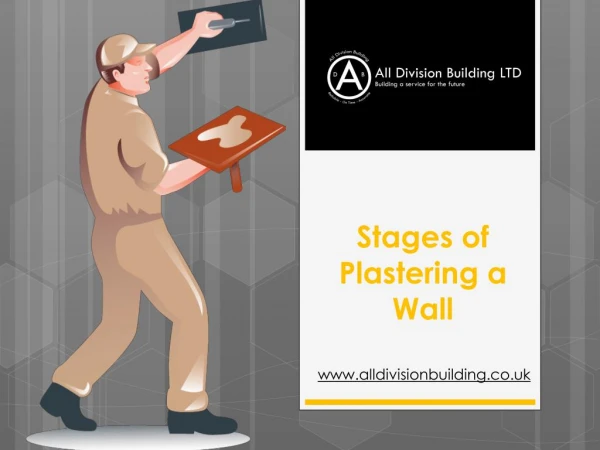
Plastering a wall plays a key role in improving surface strength, durability, and finish before painting or tiling. The process involves preparing the surface, applying the right cement sand mix, and ensuring proper curing for long-lasting results. Choosing the correct plaster type depends on wall conditions, climate, and usage. For a detailed step-by-step method, material ratios, and common mistakes, refer to this complete guide on plastering a wall.<br>

E N D
Plastering a Wall: Process, Materials, and Best Practices Plastering a wall plays a key role in improving surface strength, durability, and finish before painting or tiling. The process involves preparing the surface, applying the right cement sand mix, and ensuring proper curing for long-lasting results. Choosing the correct plaster type depends on wall conditions, climate, and usage. For a detailed step-by-step method, material ratios, and common mistakes, refer to this complete guide on plastering a wall. Plastering a wall is a crucial step in construction and renovation, as it enhances surface strength, improves durability, and creates a smooth, even base for painting or tiling. A well- plastered wall not only improves visual appeal but also protects masonry from moisture, cracks, and everyday wear. The plastering process begins with proper surface preparation, which includes cleaning the wall, removing dust or loose particles, and dampening the surface to ensure good adhesion. Once the surface is ready, the correct cement–sand mix is prepared based on the type of wall and required finish. Applying the plaster evenly in layers helps achieve uniform thickness and reduces the risk of cracks. Proper leveling and finishing techniques are essential to get a smooth, professional result. After application, curing plays a vital role in strengthening the plaster and preventing shrinkage or surface defects. Regular water curing for the recommended duration ensures long-lasting performance.