Download

1 / 5
0 likes | 1 Vues
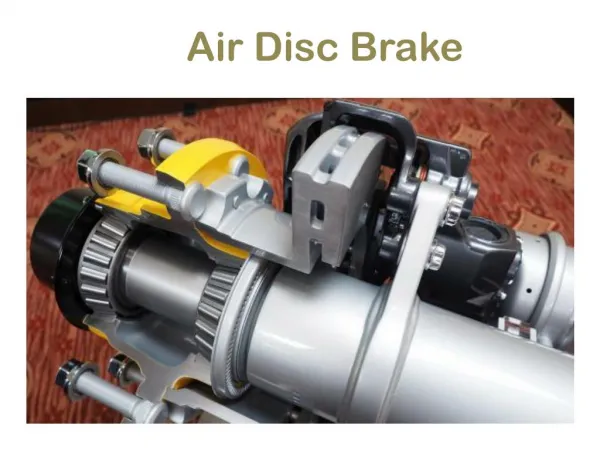
Air brake systems are the backbone of heavy commercial vehicles such as trucks, buses, and tractor-trailers. They are robust, reliable, and designed to handle the high demands of large cars. However, operating air brakes requires skill, attention, and proper training. Mishandling the system can lead to dangerous situations on the road.<br>

E N D
Tips on Operating Air Brake Systems Air brake systems are the backbone of heavy commercial vehicles such as trucks, buses, and tractor-trailers. They are robust, reliable, and designed to handle the high demands of large cars. However, operating air brakes requires skill, attention, and proper training. Mishandling the system can lead to dangerous situations on the road. Whether you are a new truck driver or an experienced operator refreshing your knowledge, understanding how to use and maintain air brake systems correctly is vital for safety and performance. Below are some essential tips on operating air brake systems effectively and safely. 1. Perform a Complete Pre-Trip Inspection Before starting your journey, always perform a complete pre-trip inspection of the air brake system. This is not just a recommendation — it is a legal requirement in Canada for all commercial drivers. During the inspection, check the air pressure in all tanks and ensure it is within the normal range (typically 100–135 psi). Examine hoses, valves, and fittings for any visible damage or air leaks. Drain any moisture or oil buildup from the air tanks to prevent contamination and freezing in cold weather. Also, test the low-air warning system, the governor cut-in and cut-out pressures, and the parking brake function. A thorough inspection ensures your air brakes are in good working condition and helps prevent accidents caused by mechanical failure. 2. Monitor Air Pressure While Driving Air brakes rely entirely on compressed air to function. If the air pressure drops too low, the brakes will not operate properly. It is crucial to keep an eye on the air pressure gauge throughout your drive. If the pressure falls below 80 psi, stop immediately and allow the compressor to rebuild air pressure before continuing. A healthy system should build up pressure
quickly and maintain it consistently. Slow pressure buildup or fluctuations may indicate leaks or compressor issues, which a qualified mechanic should check. 3. Avoid Riding the Brakes “Riding the brakes” — lightly pressing the brake pedal for extended periods — is one of the most common mistakes drivers make, especially on long downhill slopes. This can cause the brakes to overheat, leading to brake fade and reduced braking efficiency and control. Instead, use the snub braking technique. Apply the brakes firmly for a few seconds to reduce your speed by 8–10 km/h, then release them completely to let the air pressure recover and the brakes cool down. Repeat this cycle as needed. This technique keeps the air brakes efficient and prevents overheating. 4. Understand Brake Lag Unlike hydraulic brakes found in smaller vehicles, air brakes have a slight delay — known as brake lag — between pressing the pedal and the brakes engaging. This delay happens because air must travel through the lines to reach the brake chambers. To compensate, always maintain a safe following distance and begin braking slightly earlier than you would in a car. Smooth, gradual braking helps prevent sudden stops and maintains better control over your vehicle. 5. Drain Air Tanks Regularly Moisture and oil can accumulate in the air tanks over time, especially in humid or cold conditions. This buildup can lead to corrosion, freezing, and eventual brake failure. To prevent this, drain your air tanks at the end of each day — particularly if your vehicle does not have automatic drain valves. Regularly emptying the tanks keeps the system clean and prolongs the life of critical air brake components.
6. Test the Low-Air Pressure Warning System Every air-brake-equipped vehicle has a low-air-pressure warning device that alerts the driver when air pressure drops below a safe level (usually 55–60 psi). Before you hit the road, test this system by pumping the brake pedal several times with the engine off. The low-air warning light or buzzer should activate before the pressure falls below the danger zone. If the warning system doesn’t activate, do not operate the vehicle until it is repaired — this safety feature is essential for preventing complete brake failure. 7. Use the Parking Brake Properly The parking brake in an air brake system works differently from that in a hydraulic system. It is spring-operated and engages when air pressure is released. Always use the parking brake when you park, even for short stops. However, avoid applying it immediately after heavy braking or descending a long hill, as the brakes will be hot. Engaging the parking brake while the linings are still hot can cause them to stick to the drums once cooled, leading to damage or poor performance. 8. Inspect and Adjust Slack Adjusters Slack adjusters play an essential role in maintaining proper brake balance. They control the distance between the brake shoes and the drums. If they become too loose, they increase stopping distance and reduce braking Check your slack adjusters regularly. With the parking brake released and wheels chocked, pull the slack adjuster by hand — it shoulpower. d move no more than one inch. If it moves more, adjustment or maintenance is required. Regular inspections ensure your brakes engage evenly and effectively. 9. Control Speed on Descents
Driving downhill puts significant strain on your brakes. To prevent overheating, rely on engine braking (also known as a Jake Brake or retarder) along with your air brakes. Before descending, shift to a lower gear to maintain a steady, controlled speed. Use short, controlled brake applications rather than continuous pressure. This combination of engine and air braking reduces heat buildup and helps maintain consistent air pressure throughout the descent. 10. Watch for Warning Signs of Brake Problems Stay alert for early signs of brake issues. If you notice a spongy pedal, slow air buildup, abnormal noises, or the vehicle pulling to one side during braking, stop immediately and have the system inspected. Ignoring these warning signs can lead to complete brake failure. Routine maintenance and immediate attention to unusual behavior can prevent serious accidents and expensive repairs. 11. Practice Emergency Braking Procedures Even with regular maintenance, emergencies can occur. Knowing how to respond can make all the difference. If your brakes start to fail, downshift to a lower gear to slow down using engine resistance. Use your emergency or spring brakes only once the vehicle has slowed significantly, as applying them at high speed can cause wheel lockup. If possible, steer toward a runaway lane or safe escape route to avoid collisions. Regularly reviewing emergency procedures keeps you calm and effective in critical situations. 12. Schedule Regular Maintenance Checks
Preventive maintenance is key to keeping air brake systems reliable. Schedule routine inspections with a certified technician to test air pressure, adjust valves, lubricate moving parts, and replace worn components. Regular maintenance ensures that your air compressor, governor, and brake chambers operate efficiently. Staying proactive helps prevent breakdowns and keeps your vehicle compliant with transport safety standards. 13. Train Regularly and Stay Updated Technology and safety standards for commercial vehicles continue to evolve. Even experienced drivers benefit from refresher courses or advanced air brake training sessions. Periodic training helps you stay familiar with system changes, new safety protocols, and best practices for inspection and operation. It also reinforces safe driving habits, which are critical for your career longevity and safety. Final Thoughts Operating air brake systems safely requires more than just knowing how to press the brake pedal — it involves understanding how the entire system works, conducting regular inspections, and practicing safe driving habits. By following these tips — from performing daily inspections to avoiding brake overheating and maintaining proper air pressure — you can ensure your air brake system operates efficiently and safely on every trip. Start your journey toward a successful trucking career today with Durham Truck Training — where safety, skill, and success come standard. Contact us for more information



![[PDF] Free Download Queen of Air and Darkness By Cassandra Clare](https://cdn4.slideserve.com/8100369/slide1-dt.jpg)

![[PDF] Free Download The Taste of Air By Richard Schad](https://cdn4.slideserve.com/8196849/slide1-dt.jpg)