Download

1 / 5
0 likes | 0 Vues
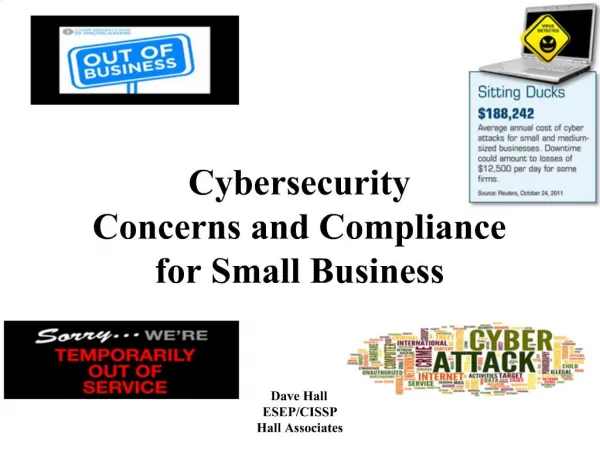
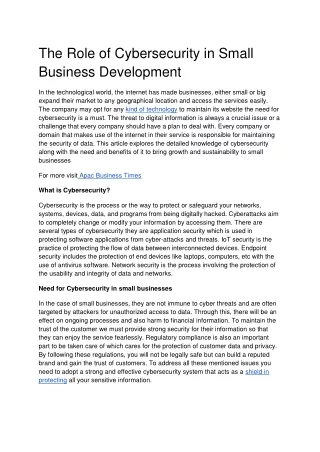
Small businesses are increasingly becoming targets for cybercriminals because<br>they often lack advanced protection systems and dedicated security teams.<br>Many owners believe they are too small to be attacked, but in reality, limited<br>security resources can make them more vulnerable. A single cyber incident can<br>lead to financial loss, damaged reputation, and loss of customer trust

E N D
Small Business Guide to Cybersecurity Services Small businesses are increasingly becoming targets for cybercriminals because they often lack advanced protection systems and dedicated security teams. Many owners believe they are too small to be attacked, but in reality, limited security resources can make them more vulnerable. A single cyber incident can lead to financial loss, damaged reputation, and loss of customer trust. Understanding how cybersecurity services work and why they matter is essential for small businesses that want to operate safely in today’s digital environment. Why Small Businesses Are Targeted Cybercriminals frequently target small businesses because they assume defenses are weaker. Attackers look for easy entry points such as outdated software, weak passwords, unsecured WiFi networks, and untrained employees. Small companies often store valuable data including customer information, payment details, and confidential business records, making them attractive targets.
Unlike large corporations, small businesses may not recover easily from a major cyberattack. The financial and operational impact can be overwhelming. This makes prevention and preparedness even more important. What Are Cybersecurity Services Cybersecurity services are professional solutions designed to protect systems, networks, and data from digital threats. These services typically include risk assessments, network monitoring, threat detection, data encryption, vulnerability scanning, and incident response planning. For small businesses, these services provide access to expertise and tools that may otherwise be too expensive or complex to manage internally. Instead of reacting after a breach, companies can take proactive steps to reduce risk. Key Cybersecurity Risks for Small Businesses Small businesses face a variety of cyber risks that can disrupt operations. Phishing attacks are among the most common threats. Employees may receive emails that appear legitimate but are designed to steal login credentials or financial information. Ransomware is another serious concern. Attackers lock business data and demand payment for its release. Without proper backups and protection, recovery can be costly and time consuming. Data breaches can occur when sensitive information is exposed due to weak access controls or misconfigured systems. Even accidental data leaks can result in legal consequences and reputational damage. Understanding these risks is the first step toward building a strong defense. Essential Cybersecurity Services for Small Businesses
There are several core cybersecurity services that small businesses should prioritize. Risk assessment is the foundation of any security strategy. It identifies vulnerabilities in systems and processes so they can be addressed promptly. Network monitoring provides continuous oversight of business systems. Suspicious activity is detected early, allowing quick response before significant damage occurs. Data encryption protects sensitive information by converting it into secure code that unauthorized users cannot read. Multi factor authentication strengthens access control by requiring additional verification beyond passwords. Regular software updates and patch management ensure that systems remain protected against known vulnerabilities. Incident response planning prepares businesses to act quickly if a security breach occurs. Having a clear plan reduces confusion and minimizes downtime. Benefits of Outsourcing Cybersecurity For many small businesses, building a full in house security team is not practical. Outsourcing cybersecurity services provides access to experienced professionals and advanced tools without the cost of hiring multiple specialists. Professional providers offer continuous monitoring, up to date threat intelligence, and expert guidance tailored to the company’s size and industry. This allows business owners to focus on growth and operations while security experts manage digital protection. Outsourcing also ensures scalability. As the business expands, security measures can be adjusted to match new technologies, employees, and customer demands. Employee Awareness and Training
Technology alone cannot prevent every cyber incident. Employees play a critical role in maintaining security. Training staff to recognize phishing emails, use strong passwords, and handle data responsibly significantly reduces risk. Regular awareness sessions and clear security policies help create a culture of responsibility. When employees understand their role in protecting company information, overall security improves. Building a Long Term Security Strategy Cybersecurity is not a one time project. It requires continuous improvement and adaptation to new threats. Small businesses should regularly review their security practices, update systems, and assess emerging risks. Partnering with a trusted provider of cybersecurity services ensures ongoing support and guidance. A structured and proactive approach helps small businesses stay ahead of potential threats rather than reacting after damage occurs. Conclusion Small businesses cannot afford to ignore digital threats in an increasingly connected world. By understanding common risks and investing in reliable cybersecurity services, they can protect sensitive data, maintain customer trust, and ensure business continuity. Proactive planning, professional support, and employee awareness together create a strong defense that allows small businesses to grow confidently and securely in the digital age. FAQs 1. Why do small businesses need cybersecurity services Small businesses are common targets for cybercriminals and often lack advanced protection. Professional cybersecurity services help reduce risks and prevent costly incidents. 2. Are cybersecurity services expensive for small businesses
Costs vary depending on needs, but many providers offer scalable solutions that fit smaller budgets. The cost of prevention is usually lower than the cost of recovery after a breach. 3. How often should small businesses update their security systems Security systems should be updated regularly, especially when new software, devices, or employees are added. Continuous monitoring is recommended. 4. Can employee training reduce cyber risks Yes. Educated employees are less likely to fall for phishing scams or mishandle sensitive information. 5. What is the first step in improving cybersecurity The first step is conducting a risk assessment to identify vulnerabilities and determine which protective measures are most important.