OCD
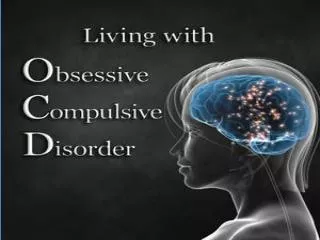
Obsessive-Compulsive Disorder (OCD) causes unwanted thoughts and repetitive behaviors. With therapy and support, symptoms can be managed and daily life improved.

OCD
E N D
Presentation Transcript
Obsessive‑Compulsive Disorder What is OCD? Obsessive‑Compulsive Disorder (OCD) is a mental health condition involving persistent, unwanted thoughts (obsessions) and repetitive behaviors (compulsions). These thoughts and behaviors can take up significant time and affect daily life, relationships, work, and well‑being. While it can be challenging, effective therapies can help manage symptoms and improve quality of life. Living with OCD Living with OCD may feel isolating, but you are not alone. Many people experience anxiety and compulsive behaviors — and with the right support and treatment, symptoms can be managed effectively. Approach to Treatment To help people manage OCD, treatment plans are personalized and may include the following core methods: Exposure and Response Prevention (ERP) Facing triggers gradually while learning not to engage in compulsions. Goals‑Oriented Plan Setting clear, achievable steps to support progress. Regular Check‑Ins Ongoing reviews to adjust support and monitor progress. Personalized Treatment Custom plans based on individual needs and comfort. Modern & Proven Therapies
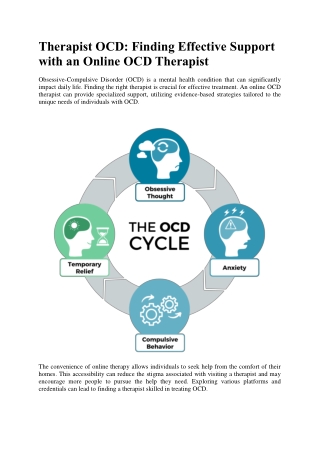
Use of evidence‑based approaches tailored to each person. Support for Long‑Term Management Therapies designed to help manage symptoms and improve daily functioning. Benefits of Effective Treatment With the right support, people with OCD often experience: Reduced obsessive thoughts and compulsions Lower anxiety and distress Improved quality of life Stronger relationships Increased confidence and control Understanding OCD Symptoms Individuals with OCD typically experience two main types of symptoms: ● Obsessions: Repeated, intrusive thoughts that cause anxiety (e.g., fears of contamination). ● Compulsions: Repetitive behaviors or rituals performed to reduce distress (e.g., excessive checking or cleaning). Ignoring or resisting these thoughts can often heighten anxiety. Treatment, such as ERP, works to reduce this cycle. Contact & Website Information Phone: +1 (888) 993‑6066 Email: info@iebehavioralgroup.com Website: https://iebehavioralgroup.com Learn more about OCD service: OCD Services: https://iebehavioralgroup.com/our-services/obsessive-compulsive-disorder/ Other useful pages:
All Services: https://iebehavioralgroup.com/our-services/ Contact Page: https://iebehavioralgroup.com/contact-us/ Locations: 11801 Pierce Street, Suite 200, Riverside, CA 92505 1007 E Cooley Dr, Suite 111, Colton, CA 92524




![[Free] this books The OCD Workbook for Teens: Mindfulness and CBT Skills to Help You Overcome Unwanted Thoughts and Com](https://cdn5.slideserve.com/11145658/slide1-dt.jpg)




![[PDF⚡READ❤ONLINE] OCD: Be Still and Know: A Christian guide to overcoming Obsessive Compulsive](https://cdn7.slideserve.com/12916813/ocd-be-still-and-know-a-christian-guide-dt.jpg)