Download

1 / 16
0 likes | 0 Vues
In this article, weu2019ll break down the pulpotomy procedure step by step, explain what to expect before and after treatment, and highlight how modern pediatric dental practices like Kids Dentistry at Houston make the process stress-free for both children and parents.<br>visit - https://www.foreversmilestx.com/the-most-common-dental-problems/

E N D
FOREVER SMILES DENTAL https://www.foreversmilestx.com/
When your child’s dentist recommends a pulpotomy, it’s natural to feel anxious. Terms like “baby root canal” or “pulp treatment” can sound intimidating, but in reality, this procedure is straightforward, minimally invasive, and highly effective at preserving your child’s tooth. Forever Smiles Dental specializes in child-friendly dentistry, ensuring that pulpotomies are performed safely and comfortably, keeping young patients relaxed throughout the process. A pulpotomy is most commonly performed on baby molars that have extensive decay or trauma affecting the pulp—the soft tissue inside the tooth. The goal is simple: remove the infected portion while leaving the healthy root pulp intact. This allows the tooth to remain functional, prevents pain, and protects the developing permanent teeth. In this article, we’ll break down the pulpotomy procedure step by step, explain what to expect before and after treatment, and highlight how modern pediatric dental practices like Kids Dentistry at Houston make the process stress-free for both children and parents.
WHAT IS A PULPOTOMY? A pulpotomy is often referred to as a “baby root canal,” but it’s much gentler than a traditional adult root canal. The procedure targets the pulp in the crown portion of the tooth while keeping the root pulp healthy. Unlike a full root canal, which removes all pulp tissue, a pulpotomy selectively removes only the diseased part. This approach preserves the tooth’s vitality and natural function. It also reduces discomfort, minimizes the risk of infection, and helps maintain proper spacing for permanent teeth. Dentists may recommend a pulpotomy when decay has reached the pulp but hasn’t yet affected the roots or surrounding bone.
WHY SAVING A BABY TOOTH MATTERS • Parents sometimes wonder: if the tooth will eventually fall out, is a pulpotomy really necessary? The answer is yes. Baby teeth serve several critical purposes: • Chewing and Eating: Healthy baby teeth allow children to eat comfortably and properly break down food. • Speech Development: Teeth play a key role in forming certain sounds and speech patterns. • Guiding Permanent Teeth: Baby teeth act as placeholders for adult teeth, helping them erupt in the correct alignment. • Facial Structure: Premature tooth loss can affect jaw development and facial symmetry. • By performing a pulpotomy when needed, pediatric dentists help prevent premature tooth loss, misalignment, and future orthodontic issues.
STEP 1: INITIAL EXAMINATION AND DIAGNOSIS The first step in a pulpotomy is a thorough examination. Dentists at Kids Dentistry at Houston begin by assessing the tooth visually and taking X-rays to determine the extent of decay. They check for signs of infection, root involvement, and any abnormalities in surrounding teeth. During this stage, parents can ask questions and learn about the procedure, recovery, and aftercare. Understanding what to expect helps children feel more comfortable and reduces anxiety.
STEP 2: PREPARING YOUR CHILD • Comfort and cooperation are key to a successful pulpotomy. Dentists use several strategies to ensure your child feels safe: • Local Anesthesia: Numbing the area prevents discomfort during the procedure. • Distraction Techniques: Some clinics use videos, music, or toys to help children relax. • Sedation Dentistry (if needed): In cases of severe anxiety or complex procedures, mild sedation may be offered to keep the child calm and still. • By making preparation a priority, dentists can perform the procedure efficiently and painlessly.
STEP 3: REMOVING THE DECAY Once your child is numb and comfortable, the dentist carefully removes the decayed portion of the tooth. The affected pulp tissue in the crown is gently cleared out using specialized pediatric dental instruments. This step requires precision to avoid affecting the healthy root pulp. Removing the infected tissue stops the spread of bacteria and eliminates the source of pain.
STEP 4: CLEANING AND DISINFECTING THE CHAMBER After the decayed pulp is removed, the remaining chamber is cleaned and disinfected. This is crucial to prevent future infections and ensure the longevity of the tooth. Antibacterial medicaments may be applied to further protect the tooth. This process is quick and painless, and children often tolerate it very well with the right comfort measures.
STEP 5: FILLING THE TOOTH Once the chamber is cleaned, the empty space is filled with a biocompatible material designed to protect the remaining healthy pulp. This material seals the tooth, keeping bacteria out while supporting the natural structure. Filling the tooth ensures that it can continue to function normally for chewing and speech. At Forever Smiles Dental, we use safe, child-friendly materials that are long-lasting and effective.
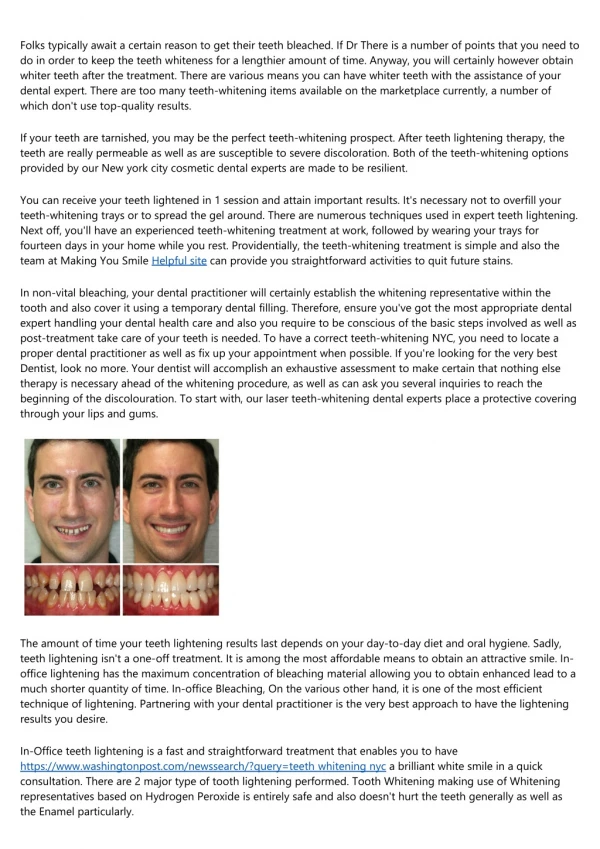
STEP 6: PLACING A CROWN (IF NEEDED) In many cases, the treated tooth is capped with a dental crown at Houston. The crown protects the tooth from fracture, restores its shape, and allows it to withstand normal biting forces. Crowns are especially recommended for molars, which endure the most chewing pressure. Modern pediatric crowns are designed to look natural, so your child’s smile remains intact and aesthetically pleasing.
RECOVERY AND AFTERCARE • After a pulpotomy, children may experience mild sensitivity or discomfort for a day or two. Over-the-counter pain relievers are typically sufficient. Parents should monitor the tooth for: • Swelling • Persistent pain • Signs of infection • Regular follow-up appointments with Kids Dentistry at Houston ensure that the tooth is healing properly. Dentists will check the crown, the filling, and surrounding teeth to confirm everything is stable. • Good oral hygiene at home is also essential. Encourage brushing twice daily and flossing carefully around the treated tooth.
BENEFITS OF A PULPOTOMY A pulpotomy offers numerous advantages compared to extracting a baby tooth: Preserves Natural Tooth: Maintains space for adult teeth. Prevents Pain: Stops infection and alleviates discomfort. Supports Oral Development: Helps permanent teeth erupt correctly. Reduces Need for Future Procedures: Prevents complex treatments later. With modern tools and child-friendly techniques, pulpotomies are a safe, effective, and often stress-free way to maintain your child’s oral health.
COMMON QUESTIONS ABOUT PULPOTOMY Q: Is it painful? A: With local anesthesia and gentle techniques, children typically experience no pain during the procedure. Q: How long does it take? A: Most pulpotomies are completed in a single visit, lasting 30–60 minutes depending on the tooth. Q: Will my child need sedation? A: Sedation dentistry at Houston is optional, usually reserved for children with high anxiety or complex cases. Q: How long will the tooth last? A: With proper care, the treated tooth will last until it naturally falls out to make room for permanent teeth.
WHY CHOOSE FOREVER SMILES DENTAL At Forever Smiles Dental, our focus is on making pediatric dental care stress-free, safe, and effective. From pediatric dental exams to dental crowns at Houston and pulpotomies, we provide comprehensive solutions to protect children’s smiles. Our team understands that early intervention and preventive care are key to long-term oral health. By combining advanced technology, child-friendly approaches, and compassionate care, we help parents feel confident that their children are receiving the best treatment possible.
CONCLUSION A pulpotomy is a highly effective procedure that saves baby teeth, prevents pain, and supports proper oral development. When performed at a trusted clinic like Forever Smiles Dental, children experience minimal discomfort, fast recovery, and lasting results. Preserving baby teeth ensures proper spacing for permanent teeth, reduces the risk of future dental issues, and keeps your child’s smile healthy and confident. By understanding the step-by-step process of a pulpotomy and relying on skilled pediatric dentists, parents can approach this treatment with confidence, knowing their child’s dental health is in expert hands.