Tax Return Deadline — What You Should Know
0 likes | 2 Vues
Learn when your income tax return must be filed, what happens if you miss the deadline, and how extensions work. Stay on top of the filing date to avoid penalties and ensure timely processing of refunds.


Tax Return Deadline — What You Should Know
E N D
Presentation Transcript
Understanding the Tax Return Deadline: What You Need to Know Navigating tax season doesn't have to be stressful. Understanding key deadlines and requirements helps you stay compliant, avoid penalties, and keep your finances on track throughout the year.
Why the Tax Return Deadline Matters Avoid Penalties • Faster Refunds Missing the deadline triggers automatic penalties and interest charges that compound over time, significantly increasing what you owe. • Timely filing ensures you receive your refund quickly and avoids potential legal complications with the IRS. • Reduce Stress • Knowing key dates allows you to plan ahead, gather documents early, and avoid the last-minute scramble.
The 2025 Tax Return Deadline: April 15, 2026 April 15, 2026 Standard Filing Deadline Federal individual tax returns for all 2025 income must be filed by April 15, 2026. This is the standard deadline that applies to most U.S. taxpayers. • If April 15 falls on a weekend or federal holiday, the deadline automatically shifts to the next business day—giving you a small reprieve. • Mark this date in your calendar now and set reminders to begin preparing your documents well in advance.
What If You Need More Time? The Extension Deadline: October 15, 2026 • 6-Month Extension Available • You can request an automatic 6-month extension to file your return, moving your deadline to October 15, 2026. File Form 4868 by April 15. • Extension for Filing Only • Important: The extension applies only to filing paperwork, not to payment. Any taxes owed must still be paid by April 15 to avoid penalties. Avoid Late Filing Penalties Filing by October 15 protects you from late filing penalties, but interest will accrue on any unpaid tax balance from April 15 forward.
Special Deadlines for Self-Employed and Estimated Taxes January 15 1 Final estimated payment for 2025 income due April 15 2 • Q1 estimated tax payment for 2026 June 15 3 • Q2 estimated tax payment for 2026 September 15 4 • Q3 estimated tax payment for 2026 • If you're self-employed or have income not subject to withholding, you must make quarterly estimated tax payments. Missing these deadlines can trigger substantial penalties and interest charges that accumulate quickly.
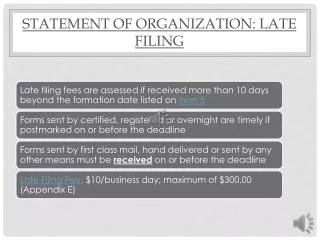
Penalties for Missing the Tax Return Deadline 5% Failure-to-File Charged per month on unpaid taxes, up to 25% maximum 0.5% • Failure-to-Pay • Assessed monthly on any unpaid tax balance Compounding Interest • Interest accrues on all unpaid balances starting from April 15, compounding the total amount you owe. The longer you wait, the more expensive it becomes.
Filing Options to Meet the Deadline E-Filing The fastest and safest method, recommended by the IRS. E-filing reduces errors and provides instant confirmation of receipt. • Direct Deposit • Speeds up refund processing significantly. Most refunds arrive within 21 days when you combine e-filing with direct deposit. Paper Filing • Must be postmarked by the deadline to avoid penalties. Processing takes 6-8 weeks, much slower than electronic options.
What Happens If You Miss the Deadline? Owed a Refund? No penalty applies, but file as soon as possible to claim your money. You have three years from the original deadline. • Owe Taxes? • Penalties and interest immediately begin accumulating, dramatically increasing the total amount you must pay. • Continued Non-Payment? • The IRS may take serious collection actions including liens, levies, or wage garnishment if taxes remain unpaid.
Key Takeaways: Stay Ahead of the Tax return deadline 01 Mark Your Calendar April 15, 2026, is your primary filing deadline. Set multiple reminders starting 60 days before. • 02 • File for Extension Early • If needed, request your extension by April 15, but remember to pay any taxes owed on time to avoid penalties. • 03 • Choose E-File and Direct Deposit • Use IRS e-file combined with direct deposit for the fastest, most secure processing and quickest refunds. • 04 • Track Estimated Payments • If you're self-employed, stay on top of quarterly estimated tax payments throughout the year.
Ready to File? Plan Now to Avoid Penalties and Stress Gather Documents Early Collect all W-2s, 1099s, receipts, and deduction documents well before the deadline to ensure accuracy and completeness. • Use Professional Resources • Leverage trusted tax software or consult a qualified tax professional to maximize deductions and ensure compliance. • Visit Official Resources • Check Tax return deadline for detailed guidance, updates, and expert advice on navigating tax season. • File On Time • Don't wait until the last minute. File early to keep your finances secure and avoid unnecessary stress and penalties.