Understanding the Boarding School Learning Model
This project examines the structured boarding school learning model implemented at GD Goenka, focusing on how a residential academic environment supports discipline, consistency, and focused learning. It explores how a well-organized schedule, guided mentorship, and collaborative peer interactions create a balanced framework for academic and personal development. <br><br>For more information, you can explore this topic further here: https://gdgoenkasonepat.com/


Understanding the Boarding School Learning Model
E N D
Presentation Transcript
Understanding the Boarding School Learning Model • Boarding schools provide structured educational environments where students live on campus, combining academic instruction with supervised daily routines. This immersive approach supports consistent learning habits and personal development. In discussions of residential schooling models, including those associated with institutions such as gdgoenkasonepat, boarding schools are typically viewed as comprehensive systems integrating academics, extracurriculars, and residential life. • Students live on campus during the school term • Combines academics with structured routines • Supports habit formation and personal growth • Integrates classroom and residential experiences • Topic introduces the boarding school learning model
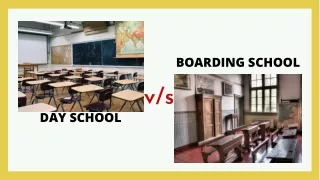
Why the Boarding School Model Is Relevant • Boarding schools are relevant because they create immersive learning experiences that reinforce discipline, time management, and independence. Students benefit from extended exposure to structured academic and social activities, fostering holistic development beyond what a typical dayschool might provide. • Encourages consistent study routines • Develops independence and responsibility • Reinforces discipline and time management • Provides extended academic and social engagement • Supports overall personal growth
What Boarding School Learning Involves • Boarding school learning involves structured classroom instruction, supervised study periods,extracurricular activities, and residential life. Students follow scheduled routines for meals, study, recreation, and rest, ensuring balanced development across academics and life skills. • Academic lessons within structured timetables • Supervisedstudy and homework sessions • Participation in extracurricular activities • Residential routines including meals and rest • Balanced focus on academics and life skills
How Boarding Schools Typically Function • Boarding schools operate on a structured daily schedule that balances academics, activities, and personal time. Regular routines, mentorship, and communal living create an environment where students consistently practice time management, responsibility, and collaborative skills. • Fixed daily schedules for classes and study • Time allocated for sports and hobbies • Residential supervision ensures routine adherence • Mentorship and guidance support growth • Emphasis on collaborative and social skills
Who Boarding Schools Are Designed For • Boarding schools are suited for students who thrive in immersive, structured environments and for families seeking consistent academic and personal development support. They are often chosen by learners aiming for holistic development and by parents valuing a guided, independent learning experience. • Students benefiting from structured routines • Families seeking comprehensive academic support • Learners focused on independence and discipline • Educators guiding residential and academic life • Communities supporting immersive learning environments