Structural Steel Connections
hiqdesigninc excels in designing advanced Structural Steel Connections that prioritize strength, durability, and efficiency. The expert team creates tailored solutions, ensuring seamless integration with complex frameworks while adhering to the highest standards of safety and performance. Committed to delivering innovative, cost-effective connections for every project.For more details visit here:- https://hiqdesigninc.com/structural-and-connection-design-projects.php<br>


Structural Steel Connections
E N D
Presentation Transcript
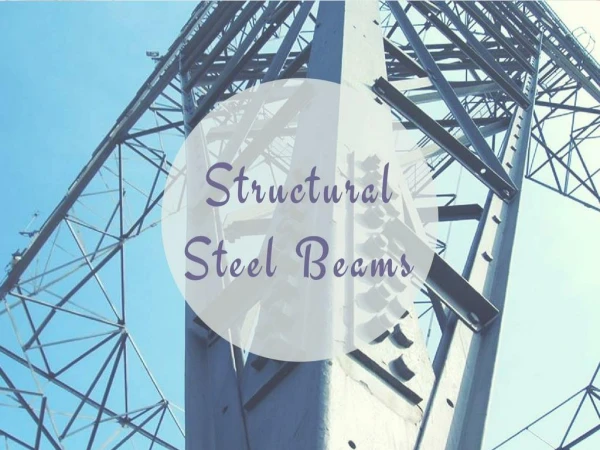
Structural Steel Connections Structural Steel Connections are crucial components in any steel-framed structure, providing the necessary support, stability, and integrity. These connections serve as the link between different structural elements such as beams, columns, and braces, enabling the framework to withstand loads and environmental forces. The design and fabrication of these connections require a deep understanding of material properties, engineering principles, and safety standards to ensure the overall strength and functionality of the structure. Structural Steel Connections There are several types of steel connections used in construction, including bolted, welded, and riveted connections. Each type has its advantages, depending on the project requirements, such as load-bearing capacity, speed of installation, cost-effectiveness, and the environment in which the structure is situated. Bolted Connections: Bolted connections are widely used due to their simplicity and ease of assembly. Steel plates are connected using bolts, allowing for easy disassembly and reassembly. These connections are typically favored for their cost-effectiveness and ability to handle high loads, particularly in large, complex structures. Bolted connections are often preferred for projects that may require future modifications or repairs.
Welded Connections: Welded connections involve joining steel components by melting the edges of the metal and fusing them together. This type of connection provides a seamless and durable bond, offering high strength and minimal maintenance. Welded connections are ideal for structures that require a high degree of strength and are often used in bridges, industrial plants, and other critical infrastructure. Riveted Connections: While less common in modern construction, riveted connections were once the standard method for joining steel components. They involve the use of rivets to fasten steel parts together, providing a strong and reliable connection. Riveted joints are still used in some historical restoration projects and in certain specialized applications, where companies like hiqdesigninc may utilize them to maintain the integrity of classic designs while ensuring modern durability. Design Considerations: The design of steel connections must account for various factors such as load distribution, seismic considerations, ease of fabrication, and constructability. Properly designed connections contribute significantly to the overall safety and efficiency of a structure. Engineers use advanced software and tools to analyze the behavior of steel connections under various load conditions, ensuring that each connection can safely carry its intended load. In conclusion, steel connections play an essential role in modern construction, contributing to the stability, durability, and safety of the structure. Whether bolted, welded, or riveted, choosing the right type of connection is key to ensuring the structural integrity and performance of any steel-framed building. hiqdesigninc remains committed to delivering high-quality engineering solutions in structural steel design, fabrication, and installation.do contact for more details visit here:- https://hiqdesigninc.com/structural-and-connection-design-projects.php Contact Details:- Phone Number:- (USA) +1 (347) 615-6505 EMAIL-ID:- sales@hiqdesigninc.com Website:- https://hiqdesigninc.com/index.php