Download

1 / 4
0 likes | 0 Vues
This detailed PDF explains everything you need to know about building a career in Health Insurance Risk Management, from understanding claims, fraud control, underwriting, data analysis, to industry-required skills. It also includes recommended health insurance courses to help you upskill and grow in the insurance and risk management field.<br><br><br>

E N D
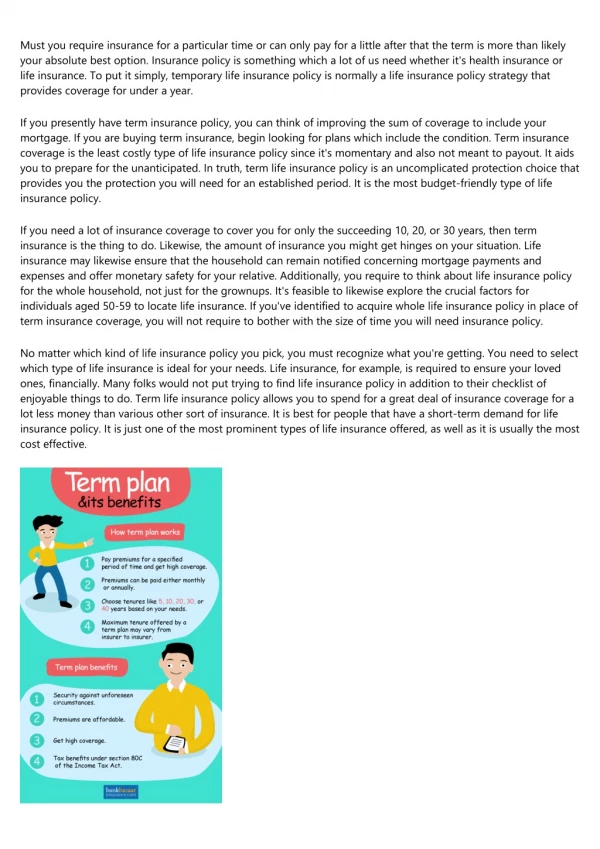
How to Build a Career in Health Insurance Risk Management In today’s fast-paced world, the healthcare industry is growing rapidly, and with it, the demand for professionals who can manage financial risks efficiently also increases. A career in health insurance with a focus on risk management not only offers stability but also a chance to play a key role in ensuring accessible and affordable healthcare. This field is ideal for those who enjoy working with data, making critical decisions, and contributing to the well-being of society. Whether you're a recent graduate or someone looking to make a career shift, this guide will walk you through the steps to building a successful career in health insurance risk management. Understanding the Role of Risk Management in Health Insurance Risk management in health insurance refers to the process of identifying, analyzing, and mitigating financial and operational risks related to healthcare services and policy coverage. This includes assessing potential losses, fraud detection, determining accurate premiums, managing high-cost claims, and ensuring overall sustainability of the insurance system. www.ihirm.com
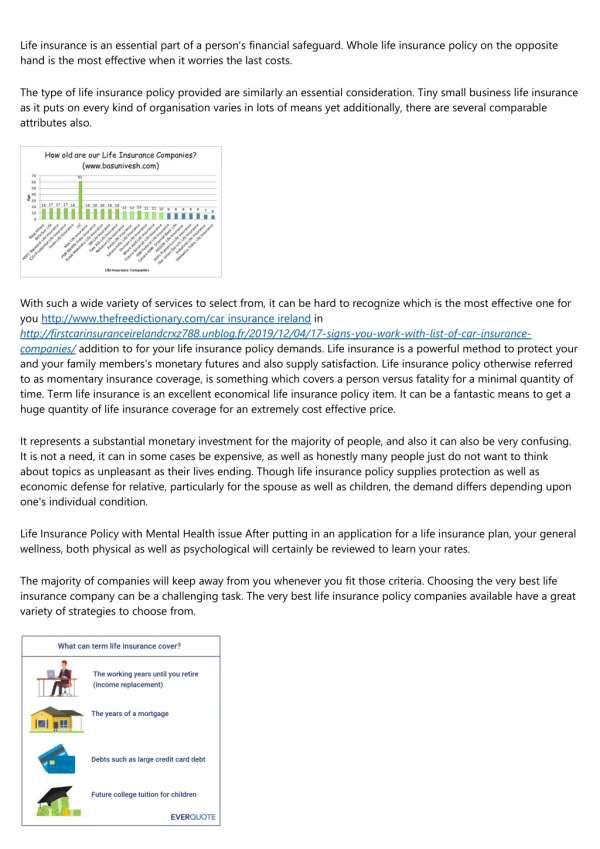
Health insurers rely heavily on risk management to make informed decisions that balance profitability with the obligation to provide comprehensive care. Without proper risk control, an insurance company may face financial instability, leading to reduced customer trust and market presence. Professionals in this field ensure that every policy is backed by careful analysis and forecasting by safeguarding both the insurer and the insured. Why is a Career in Health Insurance Risk Management Rewarding? Choosing a career in health insurance and risk management offers several personal and professional benefits: ● High Demand and Job Security: As healthcare costs rise and insurance regulations evolve, insurers increasingly need skilled professionals to assess risk and maintain profitability. ● Impactful Work: You’ll help design better insurance plans, prevent fraudulent claims, and ensure customers receive the right coverage. Your efforts contribute directly to improving healthcare outcomes. ● Competitive Salaries: A specialized knowledge in risk management is highly valued, leading to lucrative compensation packages and opportunities for career advancement. ● Global Relevance: Health insurance is a universal need. With experience and certifications, you can find opportunities with multinational insurers, NGOs, or government agencies worldwide. Skills and Qualities Helps You to Succeed To build a strong foundation in health insurance risk management, certain technical and interpersonal skills are essential: ● Analytical Thinking: Ability to interpret large datasets and identify trends in healthcare usage and risk patterns. ● Attention to Detail: Precision is critical when evaluating claims, structuring policies, or detecting fraud. ● Knowledge of Healthcare and Insurance Systems: Understanding medical terminology, treatment protocols, and policy regulations is vital. ● Communication Skills: You must be able to explain complex data or risk findings to stakeholders in simple terms. www.ihirm.com
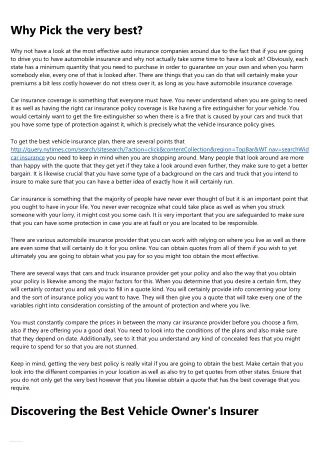
● Problem-Solving Abilities: Unexpected claims, system loopholes, or compliance issues require quick and effective decision-making. ● Technology Skills: Familiarity with risk analysis tools, insurance software, and even some knowledge of data analytics can give you an edge. Developing these skills will help you thrive in diverse roles within the health insurance ecosystem. Educational Path: Courses and Certifications While a background in finance, economics, healthcare, or business is helpful, specialized education in risk management and health insurance is often required to succeed in this field. Here’s how you can get started: ● Enroll in an Insurance Course: Choose a reputable course that offers a curriculum covering insurance principles, health policy structures, legal compliance, medical coding, and risk mitigation techniques. ● Get Certified: Consider certifications in health insurance, risk analysis, or healthcare compliance. These credentials can make you stand out in a competitive job market. ● Online or Part-Time Options: Many institutions offer flexible programs for working professionals or students. Look for interactive modules, case studies, and mentorship opportunities. A well-designed insurance course lays the groundwork for a successful career in this growing sector by offering both theoretical and practical training. Career Paths and Opportunities Once you have the necessary education and skills related to insurance sector, a wide range of career options becomes available in the health insurance sector: ● Risk Analyst ● Claims Manager ● Underwriter ● Compliance Officer ● Insurance Consultant Each of these roles offers growth potential, and with experience, you can move into senior positions such as Risk Manager, Director of Insurance Operations, or even launch your own consultancy. www.ihirm.com
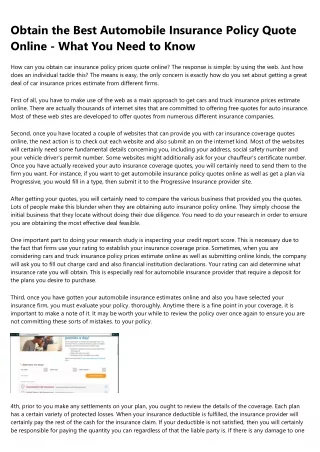
Final Tips to Kickstart Your Career If you’re ready to take the plunge into health insurance risk management, here are a few practical steps to get started: ● Start with an Internship: Gaining hands-on experience through internships at insurance companies or healthcare organizations helps build confidence and practical knowledge. ● Network with Professionals: Attend industry seminars, webinars, and career fairs to connect with recruiters and experts. ● Stay Informed: Keep up with the latest trends, laws, and technologies in the insurance and healthcare industries. ● Build Your Resume: Highlight your coursework, certifications, and any relevant experience or volunteer work. Every small step you take today will add up to a fulfilling and impactful career tomorrow. Conclusion A career in health insurance risk management is more than just a job, it’s a profession that offers long-term growth, societal value, and financial reward. The need for trained professionals is only expected to rise as the healthcare sector becomes increasingly complex and data-driven. To get started on the right foot, consider enrolling in a reputable institute like the Institute of Healthcare, Insurance & Risk Management (IHIRM). IHIRM offers industry-recognized insurance courses tailored to meet the needs of aspiring professionals. Their flexible programs, expert instructors, and practical approach make them an ideal launchpad for your journey into this dynamic field. www.ihirm.com