Payroll Processing and Management in 2025
0 likes | 13 Vues
Simplify payroll management with reliable outsourcing services. Focus on growth while we handle accurate employee payments and compliance with regulations.<br>


Payroll Processing and Management in 2025
E N D
Presentation Transcript
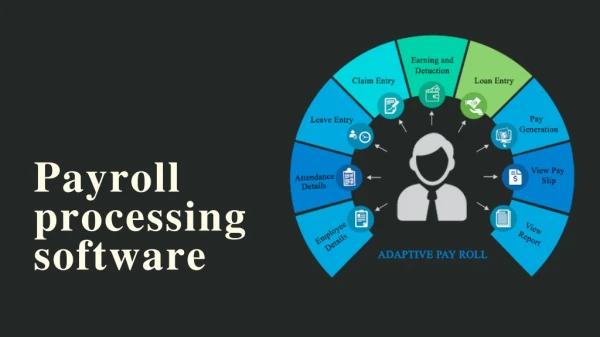
Payroll Processing and Management in 2025 Payroll processing and management are essential functions of any organization, ensuring employees are compensated accurately and on time for their work. The process involves calculating wages, taxes, and deductions, as well as maintaining compliance with local, state, and federal regulations. Effective payroll management ensures the smooth operation of an organization while fostering trust and satisfaction among employees. The payroll process typically begins by collecting time and attendance data, which is used to calculate gross pay. This includes overtime, bonuses, and any other applicable earnings. Employers must then deduct taxes, including federal and state income taxes, Social Security, and Medicare, along with other deductions like health insurance, retirement contributions, and garnishments. The remaining amount is the employee's net pay. Payroll management also involves maintaining accurate records and complying with tax laws and employment regulations. Organizations must submit regular reports to tax authorities and ensure that all employee records, including tax forms such as W-2s and 1099s, are properly managed and distributed. Automation has greatly improved payroll processing, reducing errors and streamlining operations. Payroll software allows businesses to automate many tasks, such as calculating wages, withholding taxes, and generating reports, freeing up time for HR personnel to focus on other critical tasks. In conclusion, efficient payroll processing is crucial for employee satisfaction, regulatory compliance, and overall business operations. Implementing proper payroll management practices helps mitigate errors, ensure accuracy, and promote organizational success.