requirements management systems
Omnexsystemu2019s Requirements Management Systems empower organizations to capture, structure, and manage customer needs with precision and compliance. By ensuring full forward and backward traceability, the platform connects requirements from system to subsystem and component levels, linking them directly to test plans, FMEAs, and validations. This eliminates errors, improves efficiency, and guarantees no requirement is overlooked. With built-in support for global standards .<br>For more info visit us https://www.omnexsystems.com/products/requirements-flowdown-software


requirements management systems
E N D
Presentation Transcript
How Omnexsystem’s Requirements Management Systems Drive Precision, Compliance, and Innovation The automotive, aerospace, and high-tech industries are facing unprecedented complexity. Customers demand higher quality, regulators impose stricter standards, and companies are expected to innovate faster than ever before. In this environment, the need for requirements management systems is critical. A single missed requirement can lead to costly recalls, compliance failures, or delays in product launches. This is where Omnexsystem’s Requirements Management Systems stand out, providing organizations with the tools to manage complexity, ensure compliance, and drive innovation across the product lifecycle. The Growing Importance of Requirements Management Requirements are the backbone of product development. They capture the voice of the customer, translate strategic objectives into technical specifications, and define how a product must perform under real-world conditions. Unfortunately, many organizations still manage requirements using outdated tools such as spreadsheets, emails, and disconnected documents. These methods are prone to version confusion, traceability gaps, and human error. The consequences are significant. A single overlooked requirement can cascade into missed deadlines, non-compliance with standards like ISO 26262 or ASPICE, or even product safety risks. Requirements management is not just about documentation, it is about ensuring every requirement is captured, validated, linked to design, tested, and traced throughout the lifecycle.
Limitations of Competitor Approaches Several companies in the requirements management space offer solutions with features like cloud storage, collaborative dashboards, and AI-driven linking of requirements. While these tools provide incremental improvements, they often lack the depth of integration required by industries where compliance and safety are paramount. Some competitor systems focus heavily on document repositories without enabling end-to-end traceability. Others emphasize real-time collaboration but struggle to align requirements with regulatory standards or engineering workflows. The result is partial solutions that may reduce paperwork but still leave organizations exposed to compliance risks and inefficiencies. Omnexsystem addresses these gaps by combining compliance support, traceability, process integration, and design reuse into one comprehensive platform. How Omnexsystem’s Requirements Management Systems Work At the core of Omnexsystem’s platform is the principle of requirements flowdown. This means that every requirement captured from the customer or stakeholder is systematically broken down and traced through every stage of development. 1. Capturing the Voice of the Customer The system begins by capturing customer needs, specifications, and expectations. These inputs are structured into requirement hierarchies that map directly into system, subsystem, and component levels. This ensures that customer expectations are not just heard but are embedded into the engineering design.
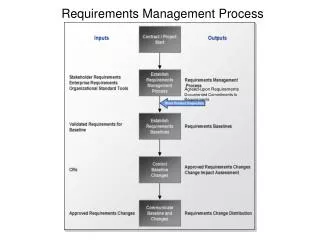
2. Requirements Flowdown and Traceability Omnexsystem’s platform ensures forward and backward traceability. Every requirement can be traced from the initial customer request down to design specifications, FMEAs, test plans, and verification activities. Conversely, any test or validation activity can be traced back to its originating requirement. This closed-loop system prevents gaps and provides transparency throughout the lifecycle. 3. Integration with Standards and Frameworks Omnexsystem’s Requirements Management Systems are designed to support compliance with global standards, including: ISO 26262 for functional safety in automotive systems ASPICE for automotive software process improvement ISO 21434 for cybersecurity SOTIF (ISO 21448) for safety of intended functionality IATF 16949 for automotive quality management This makes the platform not just a documentation tool, but a compliance enabler that aligns engineering workflows with regulatory demands. 4. Modeling and Visualization Tools The platform provides advanced modeling capabilities such as boundary diagrams, UML, and SysML diagrams. These visual tools allow engineers to map out system architectures, define interfaces, and identify dependencies early in the design process. This proactive visualization reduces risks and enhances collaboration across engineering teams. 5. Linking Requirements to Testing Every requirement must be validated, and Omnexsystem ensures that no requirement is left untested. By linking requirements directly to DFMEAs, test plans, and verification reports, the platform provides a complete chain of evidence that can be presented during audits or customer reviews. 6. Design and Process Reuse One of the unique strengths of Omnexsystem is its emphasis on reuse. Organizations can store and reuse proven design elements, safety concepts, or process templates in future projects. This reduces duplication of effort, accelerates development cycles, and improves consistency across product lines. Implementation: Turning Strategy into Action Implementing a requirements management system is not just about deploying software, it is about transforming how teams work together. Omnexsystem provides a structured approach to implementation that ensures organizations maximize the value of the platform.
Step 1: Requirement Capture and Structure The first step is to migrate existing requirements into the system. Omnexsystem helps organizations structure requirements into logical hierarchies, ensuring that system, subsystem, and component requirements are properly linked. Step 2: Establish Traceability Links Teams then establish forward and backward traceability across all requirements, tests, and FMEAs. This step is critical for compliance with standards such as ISO 26262. Omnexsystem’s intuitive dashboards make it easy to identify gaps or missing links. Step 3: Train Teams and Align Processes Training is essential to adoption. Omnexsystem provides training sessions to ensure engineers, quality teams, and project managers understand how to capture, flow down, and validate requirements. Processes are aligned so that requirements management becomes part of daily workflows, not an afterthought. Step 4: Integrate with Existing Systems Omnexsystem’s platform integrates with other quality and engineering tools such as FMEA management, APQP, and project tracking systems. This eliminates silos and creates a unified platform for managing compliance and quality. Step 5: Continuous Monitoring and Improvement Once implemented, the system becomes a live platform for monitoring progress. Dashboards display real-time status of requirement coverage, test execution, and compliance gaps. Teams can continuously improve processes using data-driven insights. Benefits of Omnexsystem’s Requirements Management Systems
The results of implementing Omnexsystem’s Requirements Management Systems are clear and measurable: Precision: Every requirement is captured, validated, and linked, reducing errors and missed requirements. Compliance: Built-in support for global standards ensures organizations are always audit-ready. Innovation: By reusing proven designs and processes, teams can innovate faster without reinventing the wheel. Efficiency: Reduced duplication, better collaboration, and real-time dashboards save time and resources. Transparency: Managers and stakeholders have visibility into requirement status, test coverage, and compliance in real time. Real-World Impact Companies using Omnexsystem’s Requirements Management Systems report faster development cycles, fewer compliance issues, and reduced costs from rework. For industries where safety, quality, and reliability are critical, the platform provides not just a tool, but a competitive edge. A Tier-1 automotive supplier, for example, leveraged Omnexsystem to manage complex customer requirements across multiple product lines. By ensuring complete traceability and compliance with ISO 26262, the company reduced audit preparation time by 40 percent and improved time to market for new vehicle components. Final Thoughts and Call to Action In an era where complexity and compliance define success, organizations cannot afford to rely on outdated methods for managing requirements. Omnexsystem’s Requirements Management Systems provide the precision, compliance support, and innovation required to thrive in today’s competitive landscape.By capturing the voice of the customer, ensuring traceability, integrating with global standards, and promoting design reuse, Omnexsystem transforms requirements management from a challenge into a strategic advantage.If your organization is ready to move beyond spreadsheets and fragmented processes, now is the time to take action. #RequirementsManagement Management #Innovation #Omnexsystem #ProductDevelopment #Compliance For more info Contact Us : (734) 761-4940 or send mail : info@omnexsystems.com to get a quote