Digital Marketing
E N D
Presentation Transcript
Digital Marketing: Strategies, Importance, and Future in the Digital Era 2025 By juli / August 17, 2025 Introduction In today’s interconnected world, businesses are constantly evolving to adapt to the changing behavior of consumers. With the rapid rise of technology, digital platforms have become essential channels for communication, shopping, learning, and entertainment. This shift has given birth to digital marketing, a dynamic and powerful approach that allows organizations to promote their products and services online. Unlike traditional marketing, which relies heavily on print, radio, and television, digital marketing leverages the internet, social media, mobile applications, search engines, and other online platforms to reach target audiences effectively. Digital marketing has become the backbone of modern business strategy because it offers cost efficiency, measurable results, global reach, and the ability to interact with consumers in real time. In this paper, we will explore the concept of digital marketing in depth, its evolution, different types and strategies, tools and techniques, benefits and challenges, and the future trends that are likely to shape its path.
What is Digital Marketing? Digital marketing refers to the use of digital channels and technologies to promote products, services, or brands to a targeted audience. It encompasses a broad range of online strategies such as content marketing, social media marketing, search engine optimization (SEO), search engine marketing (SEM), email campaigns, influencer partnerships, and more.
The marketing lies in the medium used. While traditional marketing relies on physical media such as newspapers, billboards, and TV commercials, digital marketing utilizes websites, mobile applications, email, and social platforms. Moreover, digital marketing communication, which allows businesses to build long- lasting relationships with customers. key difference between digital and traditional enables interactive Evolution of Digital Marketing The journey of digital marketing began in the 1990s with the introduction of the internet and the first web browsers. In the early 2000s, the rise of search engines like Google, Yahoo, and Bing provided businesses with an opportunity to reach wider audiences. 1994: The first clickable web advertisement (banner ad) appeared. 1998: Google was launched, revolutionizing search and advertising. 2004: Social media platforms introduced, changing the way people interacted online. 2007: Smartphones became mainstream, boosting mobile marketing. 2010s: The rise of Instagram, YouTube, and other visual- based platforms emphasized video marketing. like Facebook were
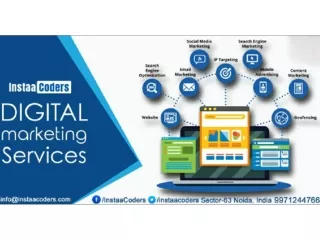
2020s: Artificial Intelligence (AI), chatbots, voice search, and influencer marketing became essential elements of the digital strategy. Today, digital marketing is no longer optional but a necessity for businesses to stay competitive. https://dev-jebunnesajuli.pantheonsite.io Types of Digital Marketing Digital marketing is not limited to one channel. It is a broad field with multiple strategies, each serving a specific purpose. 1. Search Engine Optimization (SEO) SEO involves optimizing a website to rank higher on search engines like Google. The goal is to drive organic (unpaid) traffic by improving website visibility through keyword research, quality content, backlinks, and technical optimization. 2. Search Engine Marketing (SEM) SEM refers to paid advertising campaigns that appear on search engine results. Google Ads is a popular tool for SEM, where businesses bid on keywords to display ads to relevant users. 3. Content Marketing Content marketing focuses on creating and distributing valuable, relevant, and consistent content to attract and
retain a clearly defined audience. Examples include blogs, videos, infographics, podcasts, and eBooks. 4. Social Media Marketing (SMM) Social media platforms such as Facebook, Instagram, Twitter, LinkedIn, TikTok, and Pinterest are used to engage with customers, share content, and build brand awareness. Paid ads on these platforms allow precise targeting. 5. Email Marketing Email remains a powerful marketing tool to communicate with customers. Personalized newsletters, promotional offers, and product updates help businesses build loyalty and increase conversions. 6. Influencer Marketing Brands collaborate with influencers who have large online followings to promote their products. Influencers provide credibility and help businesses reach specific target groups. 7. Affiliate Marketing Affiliate marketing is a performance-based model where businesses pay commissions to affiliates (publishers, bloggers, or influencers) for driving sales or traffic through their referral links. 8. Video Marketing With platforms like YouTube, TikTok, and Instagram Reels, video marketing has become one of the most engaging
forms of content. Product demos, tutorials, testimonials, and live streams help attract attention and boost trust. 9. Mobile Marketing Since a large percentage of users access the internet via smartphones, mobile marketing advertising, SMS campaigns, and push notifications. involves app-based 10. Pay-Per-Click Advertising (PPC) PPC advertising allows businesses to place ads on platforms like Google or Facebook and pay only when users click on them. It provides immediate visibility and measurable ROI. Additional Insights into Digital Marketing Digital marketing is more than just running ads or posting content on social media—it is a strategic process that integrates creativity, data analysis, and technology. One of its strongest features is personalization. Unlike traditional methods, digital platforms allow businesses to customize messages based on customer preferences, browsing history, and past purchases. For example, an e-commerce brand can send tailored recommendations to a customer’s email or show personalized ads on Facebook, increasing the chances of conversion. Another making. Every click, impression, and interaction can be tracked using tools like Google Analytics. This data helps marketers understand customer behavior, measure ROI, and refine campaigns for better performance. important aspect is data-driven decision-
Digital marketing also emphasizes content as a core asset. High-quality blogs, videos, and infographics build trust and authority in the market. Content marketing not only improves search engine visibility but also nurtures long- term customer relationships. Finally, technologies has made digital marketing even more accessible. From push notifications optimization, businesses can connect with customers instantly. As digital tools continue to evolve, brands that adopt innovative, customer-focused, approaches will dominate the marketplace. the rise of mobile and voice-based to voice search and ethical