Odoo vs Microsoft Dynamics 365
Odoo is a highly flexible, open-source, and cost-effective ERP ideal for SMEs seeking modular growth, while Microsoft Dynamics 365 is a robust, premium solution better suited for larger enterprises needing tight Microsoft ecosystem integration (Office 365, Azure). Odoo is generally easier to customize and cheaper, whereas Dynamics 365 provides advanced, out-of-the-box analytical features.

Odoo vs Microsoft Dynamics 365
E N D
Presentation Transcript
Odoo vs Microsoft Dynamics 365 codexoxo.com
What is Odoo Odoo is a comprehensive, open-source suite of integrated business applications designed to streamline company operations, including CRM, e-commerce, accounting, inventory, manufacturing, and project management. Originally founded as TinyERP in 2005, it offers a modular, highly customizable approach that allows businesses to adopt tools as needed. codexoxo.com
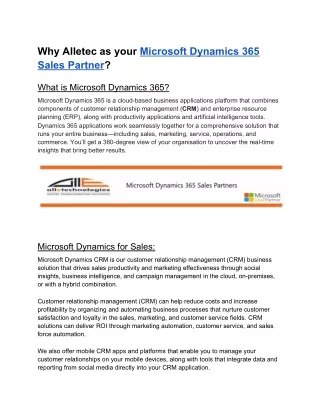
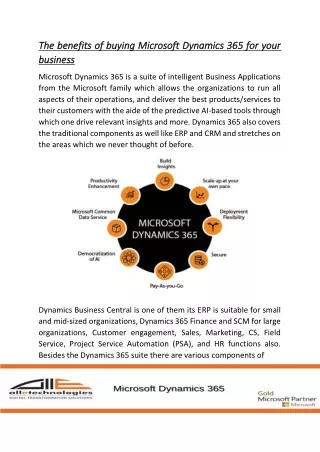
What is Microsoft Dynamics 365 Microsoft Dynamics 365 is a cloud-based, AI-powered suite of intelligent business applications combining CRM (customer relationship management) and ERP (enterprise resource planning) capabilities. It streamlines operations, enhances customer engagement, and automates workflows by integrating with Microsoft 365, Azure, and Power Platform. codexoxo.com
Key Features of Odoo • Modular Architecture: Businesses can start with one app and add more as they grow (e.g., Accounting, Website, HR, Sales). • Integrated Platform: Unlike using disparate software, all Odoo modules are connected, ensuring data flows seamlessly between departments. • Open Source & Flexible: The community version is free, while the enterprise version offers more specialized apps, supported by a vast ecosystem of third-party apps. • Deployment Options: Available as cloud-based (Odoo Online) or on-premise solutions. codexoxo.com
Key Aspects of Dynamics 365 • Integrated Suite: Combines CRM (sales, marketing, service) and ERP (finance, operations, supply chain) into a single, unified platform. • AI-Powered: Utilizes artificial intelligence, including Microsoft Copilot, to drive insights, predictive forecasting, and automation. • Core Modules: • Sales & Marketing: Manages the sales pipeline, customer relationships, and marketing campaigns. • Finance & Operations: Streamlines financial reporting, supply chain, and manufacturing. • Customer Service: Handles customer requests and support. • Business Central: A comprehensive ERP solution for small to medium-sized businesses. • Flexibility & Scalability: Designed for modular growth, allowing organizations to adopt tools as needed. codexoxo.com
Advantages & Disadvantages of Oddo Odoo Advantages: • Cost-Effective: Generally lower licensing costs and a free, community-supported version. • Flexibility & Customization: Open-source nature allows extensive modification to suit specific, unique business processes. • User-Friendly: Modern, intuitive, and easy-to-navigate interface. • Modular Approach: Enables businesses to adopt apps incrementally. Odoo Disadvantages: • Implementation Complexity: While easy to start, extensive customization can lead to high implementation costs and complicated upgrades. • Reporting: Basic out-of-the-box reporting compared to specialized enterprise solutions. • Support: Enterprise support is good, but community support relies on forums and community resources. codexoxo.com
Advantages & Disadvantages of Microsoft Dynamics 365 Advantages of Microsoft Dynamics 365 • Seamless Integration: Works harmoniously with Microsoft 365 tools like Outlook, Excel, and Teams, enhancing productivity and allowing for unified workflows. • Scalability & Flexibility: The platform can grow with a business, offering various applications that can be scaled up or down based on needs. • Cloud-Based Accessibility: Provides secure, remote access, allowing employees to work from anywhere on various devices. Disadvantages of Microsoft Dynamics 365 • High Complexity and Cost: The system is feature-rich but complex, often leading to high implementation costs, expensive licensing, and add-on fees for advanced features. • Steep Learning Curve: Employees may require extensive training to become proficient, which can temporarily decrease productivity during the transition. • Implementation Risks: The high level of flexibility can lead to over-customization, making the system difficult to manage, maintain, and upgrade. codexoxo.com