Register Offshore Company
Looking for a roofing company that puts quality and customer satisfaction first? Look no further than MTG Roofing. Our team of experts are passionate about roofing, and weu2019re dedicated to making a difference one roof at a time. With years of experience and countless satisfied customers, weu2019re proud to be one of Sydneyu2019s most trusted roofing companies. Whether you need a repair, a replacement, or just some expert advice, weu2019re here to help. Contact us today to learn more about what we can do for you.<br>


Register Offshore Company
E N D
Presentation Transcript
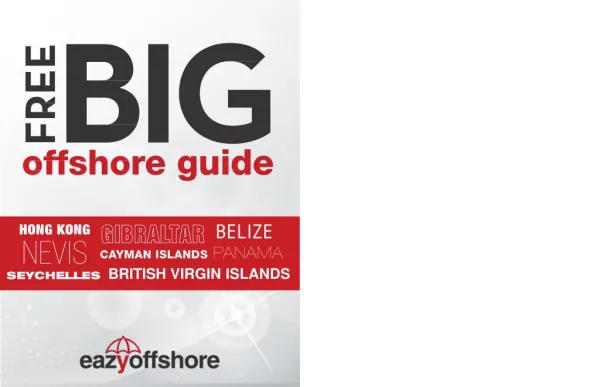
How to Register an Offshore Company: A Comprehensive Guide Register Offshore Company is a strategic move for businesses looking to benefit from tax advantages, enhanced privacy, and global expansion opportunities. Offshore companies are legal entities incorporated in a jurisdiction different from where their principal operations are conducted. Here is a step-by-step guide to help you understand the process of setting up an offshore company. 1. Understand the Benefits Before proceeding, it is crucial to understand the benefits of registering an offshore company. These may include: Tax Efficiency: Many offshore jurisdictions offer low or zero corporate tax rates. Asset Protection: Offshore companies can help protect assets from lawsuits or creditors. Privacy: Some jurisdictions allow minimal public disclosure of ownership and financial details. Ease of Operations: Streamlined regulations make incorporation and ongoing compliance simpler. Global Expansion: Operating offshore can provide access to international markets and customers. 2. Choose a Suitable Jurisdiction Selecting the right jurisdiction is a critical step. Popular offshore jurisdictions include the British Virgin Islands (BVI), Cayman Islands, Seychelles, and Hong Kong. When choosing a jurisdiction, consider: Tax policies Regulatory requirements Reputation and political stability Ease of doing business Costs of incorporation and maintenance 3. Determine the Type of Company Offshore jurisdictions offer different types of business entities, such as: International Business Companies (IBCs) Limited Liability Companies (LLCs) Trusts and Foundations Select the structure that aligns with your business goals and operational needs. 4. Engage a Registered Agent Most jurisdictions require offshore companies to appoint a registered agent. These agents assist with the incorporation process and ensure compliance with local regulations. They also provide a registered office address for the company.
5. Prepare Required Documentation Typical documentation required includes: Completed application forms Certified copies of passports and proof of address for directors and shareholders Memorandum and Articles of Association Business plan or activity details Ensure that all documents are notarized or apostilled, as per jurisdictional requirements. 6. Register the Company Submit the required documents to the relevant authority in the chosen jurisdiction. Once approved, you will receive a certificate of incorporation, signifying the company’s legal existence. 7. Open a Bank Account An offshore company needs a corporate bank account to conduct financial transactions. Many jurisdictions offer banking services tailored to offshore entities. Be prepared to provide detailed information about the company’s activities and ownership structure. 8. Comply with Legal Obligations After incorporation, maintain compliance by adhering to local laws, including: Filing annual reports Renewing licenses Keeping accurate financial records Failure to comply with these requirements can result in penalties or loss of company status. 9. Consult Professionals Engage legal and financial professionals with expertise in offshore company registration. They can provide tailored advice and ensure the process runs smoothly. Conclusion Register Offshore Company can offer significant advantages for businesses, but it requires careful planning and compliance. By understanding the benefits, choosing the right jurisdiction, and following the required steps, you can successfully establish an offshore entity to support your business goals.