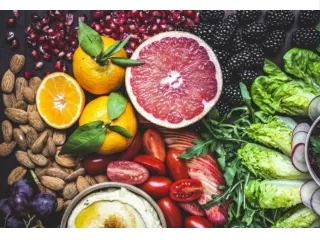
Is Broccoli Good for Kidneys
0 likes | 10 Vues
Is Broccoli Good for Kidneys? Yes, broccoli is a nutritious vegetable that supports kidney health. It is rich in antioxidants, vitamins C and K, and anti-inflammatory compounds that help protect kidney cells from damage.


Is Broccoli Good for Kidneys
E N D
Presentation Transcript
Is Broccoli Good for Kidneys The kidneys play a vital role in filtering waste, controlling blood pressure, balancing minerals, and supporting overall body functions. A nutritious diet is one of the best ways to keep kidneys healthy especially foods rich in antioxidants and essential vitamins. But is broccoli good for kidneys? The short answer is yes, broccoli is considered a kidney-friendly superfood for most people due to its rich nutrient profile and low sodium content. Let’s explore its benefits in detail. Nutritional Value of Broccoli Broccoli is a powerhouse of essential nutrients, including: Nutrient Benefit Vitamin C Boosts immunity and protects kidneys from oxidative stress Vitamin K Helps in bone health and proper blood clotting Vitamin A Supports vision and skin health Fiber Improves digestion and prevents toxin buildup Potassium Maintains fluid and electrolyte balance Antioxidants Protect kidney cells from damage Broccoli is also low in calories and free from harmful fats, making it an excellent option for a kidney-healthy diet. How Broccoli Supports Kidney Health
1. Rich in Antioxidants Oxidative stress can harm kidney tissues over time. Broccoli contains powerful antioxidants like sulforaphane, which help reduce inflammation and protect kidney cells from damage. 2. Helps Control Blood Pressure High blood pressure is one of the leading causes of kidney disease. Broccoli contains fiber, magnesium, and potassium — nutrients that support cardiovascular health and help maintain normal blood pressure levels. 3. Reduces Risk of Chronic Diseases Broccoli supports healthier metabolism, blood sugar levels, and heart function. By lowering the risk of diabetes and cardiovascular issues, it indirectly supports long-term kidney function. 4. Detoxification Support Broccoli helps the liver and kidneys eliminate toxins effectively due to its natural detox compounds. This can reduce stress on the kidneys, helping them function more efficiently. 5. Prevents Constipation Good digestion prevents toxic waste buildup in the body. Broccoli’s fiber helps in: ● Smoother bowel movements ● Better gut health ● Reduced toxin overload on kidneys Is Broccoli Good for Patients with CKD (Chronic Kidney Disease)? For people with early-stage kidney disease, broccoli is generally a healthy choice. It provides essential nutrients without burdening the kidneys. However, broccoli does contain potassium, and excess potassium can be harmful in moderate to late CKD stages. CKD Stage Recommendation Early Stages (1–3) Broccoli is beneficial in controlled portions Advanced Stages (4–5) Intake should be limited and guided by a doctor or dietitian Dialysis Patients Needs potassium management — portion control advised Broccoli for Kidney Detox Broccoli sprouts contain even higher levels of sulforaphane, which supports natural detoxification pathways by: ● Neutralizing harmful toxins
● Decreasing inflammation ● Supporting filtration functions Including broccoli in a balanced diet can help maintain kidney cleansing efficiency. Potential Concerns: Who Should Be Careful? While broccoli has many health benefits, some people should be cautious: High Potassium Levels Too much potassium can lead to hyperkalemia in CKD patients. Portion control is essential. Tip: Boiling broccoli and discarding the water can reduce potassium content. Thyroid Issues Broccoli contains goitrogens which may affect thyroid function when consumed in very large amounts, especially raw. Cooking reduces this effect. As always, kidney patients should consult their healthcare provider before making dietary changes. How to Include Broccoli in a Kidney-Friendly Diet Here are some healthy ways to enjoy broccoli: ● Lightly steamed broccoli ● Broccoli soup with low salt ● Boiled broccoli added to salads ● Stir-fried broccoli with olive oil ● Broccoli mixed with other low-potassium vegetables Avoid: ● Deep-fried broccoli ● High-salt seasonings ● Cheese-based sauces (high in sodium and phosphorus) Kidney-friendly preparation tip: Boiling broccoli in water for a few minutes helps lower potassium content — beneficial for those with CKD. Broccoli vs Other Vegetables for Kidney Health Broccoli belongs to the cruciferous family (cabbage, cauliflower, kale). Compared to many vegetables, broccoli offers:
Feature Broccoli Regular High-Potassium Veggies Antioxidants High Moderate Potassium Moderate Very High Kidney Support Good May strain kidneys This makes broccoli a safer and more supportive option for kidney wellness when consumed in appropriate amounts. Broccoli and Kidney Stones Broccoli contains oxalates but in low to moderate amounts. For most people, broccoli does not cause kidney stones. It may even reduce risk due to its calcium, fiber, and antioxidant levels. However, those with calcium oxalate stones should eat broccoli in moderation and drink plenty of water. Final Verdict: Is Broccoli Good for Kidneys? ● Yes broccoli is one of the best vegetables for kidney health. ● It supports detoxification, blood pressure management, and overall kidney function. ● Also helpful in preventing kidney-related complications like diabetes and heart disease. However: Patients with advanced CKD or potassium restrictions should consume broccoli in controlled portions under medical guidance. Conclusion Broccoli is a highly nutritious, kidney-friendly superfood that can help protect kidney health when included as part of a balanced diet. Its antioxidants, vitamins, and inflammation-reducing properties make it especially beneficial for individuals aiming to maintain strong kidney function. As always, those with kidney disease should tailor broccoli consumption to their specific dietary needs advised by their healthcare provider.












![[PDF] Free Download The Good Daughter By Karin Slaughter](https://cdn4.slideserve.com/8124700/slide1-dt.jpg)
![[PDF] Good Omens By Neil Gaiman & Terry Pratchett Free Downloads](https://cdn4.slideserve.com/8196905/slide1-dt.jpg)





![[EbooK Epub] A Guide to the Good Life: The Ancient Art of Stoic Joy Full](https://cdn5.slideserve.com/11084050/slide1-dt.jpg)