What Makes a Building High-Performance
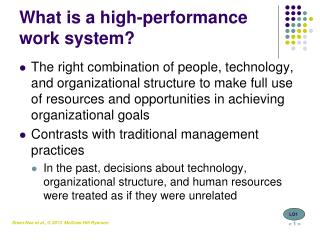
In an era where sustainability, efficiency, and occupant well-being take center stage, the term "High Performance Building" has become a buzzword in the construction and real estate industries. But what truly defines a high-performance building? Is it energy efficiency, superior indoor air quality, smart technology integration, or resilience against climate change? The answer lies in a holistic approach that combines these factors to create buildings that not only serve their intended purpose but also minimize environmental impact and maximize human comfort and operational efficiency.<br>


What Makes a Building High-Performance
E N D
Presentation Transcript
What Makes a Building High-Performance? Insights from Industry Experts In an era where sustainability, efficiency, and occupant well-being take center stage, the term "High Performance Building" has become a buzzword in the construction and real estate industries. But what truly defines a high-performance building? Is it energy efficiency, superior indoor air quality, smart technology integration, or resilience against climate change? The answer lies in a holistic approach that combines these factors to create buildings that not only serve their intended purpose but also minimize environmental impact and maximize human comfort and operational efficiency. To delve deeper into this concept, we sought insights from industry experts, including architects, engineers, sustainability consultants, and facility managers. Their perspectives help us
understand the core attributes of high-performance buildings and the best practices in their design, construction, and operation. Key Attributes of High-Performance Buildings 1. Energy Efficiency and Sustainability A defining characteristic of a high-performance building is its ability to use energy efficiently. Energy-efficient buildings incorporate advanced insulation, high-performance windows, and energy-efficient HVAC (heating, ventilation, and air conditioning) systems to reduce energy consumption. According to John Mitchell, an energy consultant, "Buildings should be designed with passive energy strategies, such as optimal orientation, daylighting, and natural ventilation, before integrating active systems like solar panels and geothermal heating." High-performance buildings often meet or exceed green certification standards like LEED (Leadership in Energy and Environmental Design) and Passive House. Renewable energy sources, such as solar photovoltaic (PV) panels and wind turbines, are frequently integrated to achieve net-zero energy consumption. 2. Advanced Building Envelopes The building envelope—the walls, roof, and foundation—plays a crucial role in Performance Architecture. A well-insulated, airtight envelope reduces heat loss and prevents unwanted air infiltration, significantly improving energy efficiency. High-performance buildings, a key aspect of performance architecture, use materials with high thermal resistance (R-values) and employ advanced air sealing techniques to enhance their effectiveness. Dr. Lisa Carter, an architect specializing in sustainable design, highlights that "triple-glazed windows, continuous insulation, and smart shading systems are crucial for maintaining indoor comfort while minimizing energy use." 3. Smart Technology and Automation Building automation systems (BAS) have revolutionized the way buildings operate. High-performance buildings integrate smart sensors, IoT (Internet of Things) devices, and AI-driven management systems to optimize lighting, heating, cooling, and security. These systems provide real-time data, allowing building managers to make informed decisions and automate energy-saving measures. According to Mark Reynolds, a facility manager, "Smart technology enables predictive maintenance, reducing downtime and operational costs. For instance, HVAC systems can self-adjust based on occupancy and outdoor weather conditions, improving efficiency." 4. Superior Indoor Air Quality (IAQ) and Occupant Comfort
A high-performance building prioritizes occupant well-being by ensuring superior indoor air quality through efficient ventilation, low-VOC (volatile organic compounds) materials, and advanced air filtration systems that remove pollutants and allergens. Effective Site Asset Management plays a crucial role in maintaining these features by overseeing the long-term performance and sustainability of the building’s systems, ensuring optimal air quality and overall comfort for occupants. By integrating regular maintenance, monitoring, and upgrades, Site Asset Management helps preserve the health and efficiency of the building's environmental controls. "Good IAQ isn't just about filtering air; it’s about designing buildings that breathe, using natural ventilation where possible and incorporating plants and biophilic design elements," explains environmental health expert Dr. Maria Sanchez. Lighting, acoustics, and thermal comfort also contribute to a high-performance environment. Properly designed lighting systems use circadian-friendly LEDs to enhance productivity and well-being. Acoustical treatments minimize noise pollution, creating a more comfortable space. 5. Resilience and Climate Adaptability With increasing climate-related risks, high-performance buildings must be resilient against extreme weather events, power outages, and natural disasters. Resilience-focused design includes storm-resistant materials, flood-proofing strategies, and backup power solutions such as battery storage and microgrids. James Bennett, a structural engineer, emphasizes that "adaptive design approaches, like modular construction and flexible floor plans, allow buildings to respond to changing climate conditions and future needs without extensive retrofitting." Best Practices for High-Performance Building Design and Operation 1. Integrated Design Process A collaborative approach involving architects, engineers, contractors, and stakeholders from the project's inception ensures that sustainability and efficiency goals are embedded in the design. This integrated approach helps in balancing performance, cost, and aesthetics. 2. Lifecycle Cost Analysis Instead of focusing solely on upfront costs, developers should consider the total cost of ownership, including maintenance, energy consumption, and potential savings from sustainable features. High-performance buildings often offer long-term financial benefits through reduced operational expenses.
3. Use of Data and Performance Metrics Continuous monitoring and benchmarking of energy use, water consumption, and indoor air quality help in fine-tuning building performance. Building performance modeling software, such as EnergyPlus and DesignBuilder, aids in predictive analysis and optimization. 4. Training and Occupant Engagement A well-designed high-performance building can still underperform if occupants and facility managers are not educated on its proper use. Training programs and engagement initiatives ensure that building users contribute to maintaining efficiency through mindful behavior. The Future of High-Performance Buildings The future of high-performance buildings lies in innovation, technology, and a shift toward regenerative design—buildings that give back more than they take. Emerging trends include: ● Carbon-positive buildings that absorb more CO2 than they emit ● Circular economy principles that promote material reuse and minimize waste ● AI-driven design tools that enhance precision and efficiency ● Health-centered design that prioritizes mental and physical well-being As industry expert Sarah Green states, "The next generation of buildings won't just be sustainable; they’ll actively improve the environment and human health." Conclusion High-performance buildings represent the future of architecture, construction, and urban development. By integrating energy efficiency, smart technology, occupant well-being, and resilience, they offer a sustainable solution to modern challenges. As industry experts emphasize, the key to achieving high performance lies in a holistic, data-driven, and user-centric approach that balances innovation with practicality. In a world demanding smarter, greener buildings, the adoption of these principles is no longer optional—it’s imperative.