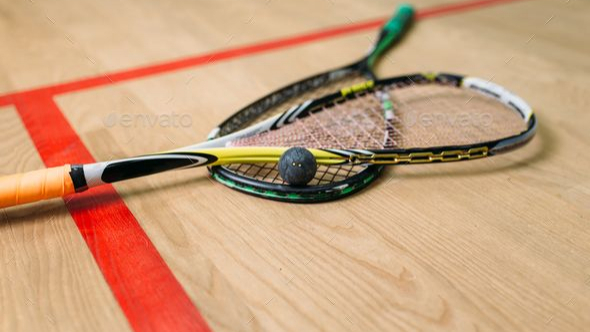
Squash is a fast-paced racquet sport that demands agility, precision, and endurance. Equipment plays a critical role in enhancing performance and safety, and the choice between professional and amateur squash gear significantly impacts a player’s experience. Understanding Professional vs Amateur Squash Equipment: Performance Differences requires examining racquets, balls, footwear, and apparel, as well as market trends influencing innovation and consumer adoption.
Insights from squash equipment market trends and forecast indicate that rising awareness about performance optimization, injury prevention, and recreational sports participation is shaping demand across both professional and amateur segments.
Differences in Squash Racquets
Weight and Balance:
Professional racquets are typically lighter (around 110–140 grams) with precise balance to allow quick swings, enhanced control, and faster reaction times. Amateur racquets are slightly heavier, providing more stability but reduced maneuverability.
Frame Material:
High-end racquets use advanced carbon fiber composites that offer optimal stiffness and responsiveness, minimizing vibration and improving shot precision. Amateur racquets often use aluminum or lower-grade composites, which are more affordable but may transmit more impact to the player’s arm.
String Tension:
Professionals often string racquets at higher tension for control and accuracy, while amateurs benefit from lower tension, which provides more power and a larger sweet spot to compensate for less consistent technique.
Squash Balls
Professional Balls: Have low bounce and are slower, demanding higher skill and endurance. They enhance gameplay intensity and precision. Amateur Balls: Usually have higher bounce, are faster, and often come in different color codes for visibility. They facilitate longer rallies and reduce the skill barrier for beginners. Choosing the right ball affects training outcomes, game strategy, and overall enjoyment. Professionals often practice with low-bounce balls to simulate tournament conditions, whereas amateurs prioritize consistency and ease of play.
Footwear and Apparel
Professional Shoes: Offer lightweight construction, reinforced lateral support, and advanced shock absorption. They are designed to reduce injury risk under intense play conditions. Amateur Shoes: Focus more on durability and affordability, with slightly less emphasis on advanced support technologies. Apparel for professionals integrates moisture-wicking fabrics, compression technology, and ergonomic design for freedom of movement. Amateur players benefit from standard sportswear that prioritizes comfort and cost-effectiveness.
Market Trends and Consumer Behavior
The squash equipment market trends and forecast highlight several key dynamics: Growing Demand for Professional Equipment: Increased participation in competitive leagues, coaching, and international tournaments is driving sales of professional-grade racquets and shoes. Rising Recreational Participation: Amateur equipment sales are rising due to growing interest in health and wellness, with affordable and accessible options being widely adopted. Technological Integration: Smart racquets, vibration-reducing strings, and wearable performance trackers are emerging in the professional segment. Regional Differences: Europe and North America see higher demand for professional-grade gear, while Asia-Pacific and Latin America are witnessing growth in amateur segment sales.
Challenges and Considerations
Skill Compatibility: Professional equipment may overwhelm beginners, while amateur gear may limit high-level performance. Cost vs Performance: High-performance gear is expensive and may not offer proportional benefits to casual players. Durability: Professional-grade racquets and shoes may require more frequent replacement if used improperly, affecting cost-efficiency. Injury Risk: Using amateur equipment at professional levels or vice versa can lead to injuries due to inadequate support or poor ergonomics.
The comparison of Professional vs Amateur Squash Equipment: Performance Differences underscores that skill level, game intensity, and investment capacity are key determinants in equipment choice. Insights from squash equipment market trends and forecast highlight a growing demand for high-performance gear among professionals and affordable, durable options for recreational players. Balancing cost, durability, and performance is essential to maximize safety, skill development, and overall enjoyment in the sport.