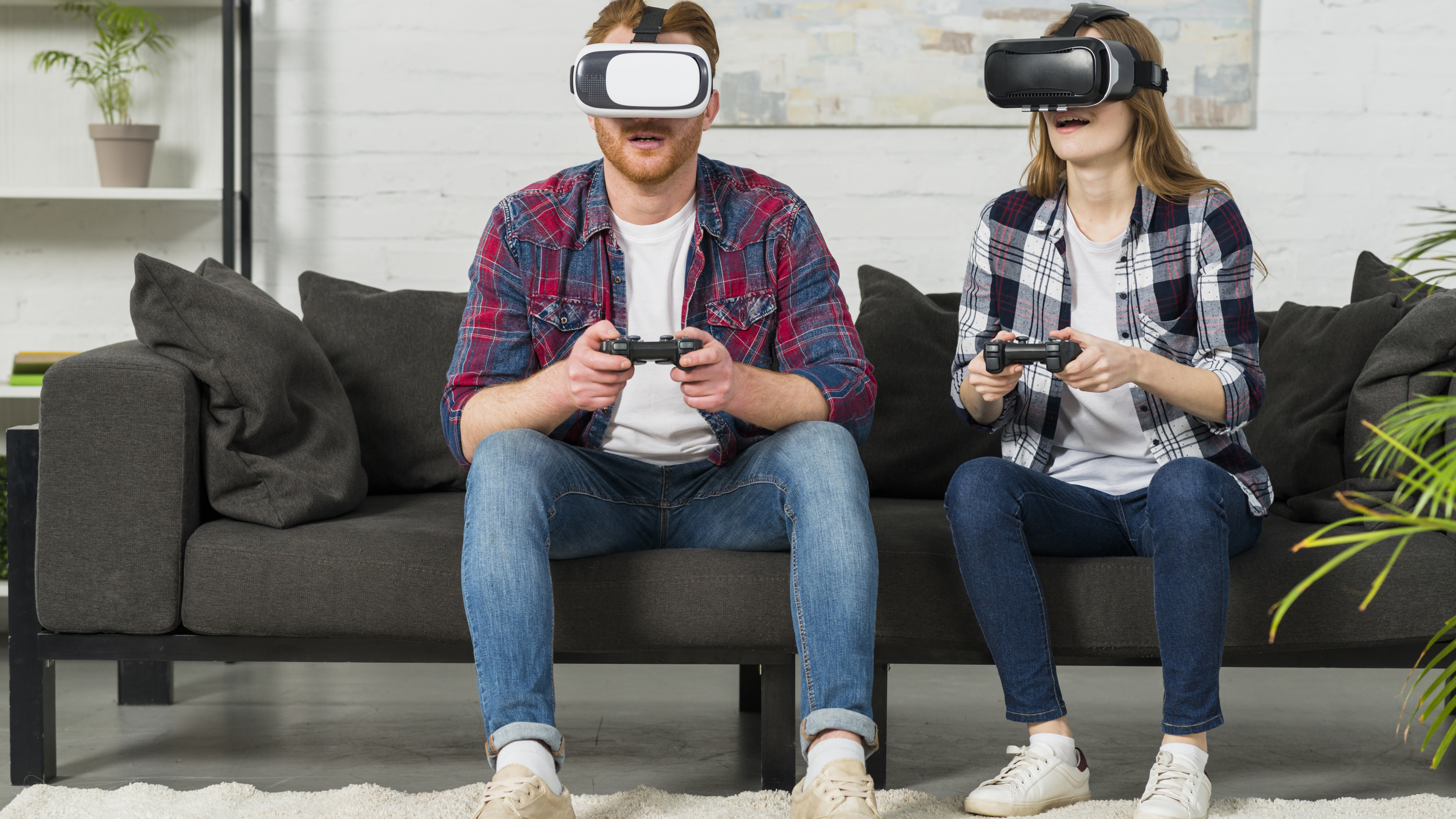
Virtual Reality (VR) gaming represents one of the most transformative developments in the modern gaming industry. By immersing players in computer-generated 3D environments, VR gaming moves beyond traditional screen-based interaction and creates experiences that feel more realistic, interactive, and engaging. For beginners, understanding what VR gaming is, how it works, and where the industry is headed is essential before making decisions about hardware, software, or long-term involvement.
This beginner’s guide offers a complete industry breakdown of VR gaming, explores VR gaming market trends and opportunities, and highlights the key factors, tradeoffs, and challenges shaping this rapidly evolving sector.
What Is VR Gaming?
VR gaming uses virtual reality technology to place players inside a simulated environment where they can look around, move, and interact as if they were physically present. This is achieved through VR headsets equipped with displays, motion sensors, and sometimes handheld controllers or haptic gloves.
Unlike conventional gaming, where interaction occurs through a screen and controller, VR gaming emphasizes immersion. Players experience depth perception, spatial audio, and real-time motion tracking, which significantly changes how games are designed and played.
Core Components of VR Gaming
VR Headset: Displays visuals separately to each eye, creating a 3D effect. Motion Tracking Sensors: Detect head, hand, and body movements. Controllers or Input Devices: Allow interaction with the virtual environment. VR-Optimized Software: Games designed specifically for immersive interaction.
Types of VR Gaming Experiences
Room-Scale VR: Players move freely within a physical space. Seated or Standing VR: Movement is limited, making it suitable for smaller spaces. Standalone VR: Headsets operate independently without external computers or consoles. PC- and Console-Based VR: Offer higher performance but require additional hardware.
VR Gaming Market Trends and Opportunities
The global VR gaming industry is influenced by several important developments. VR gaming market trends and opportunities include: Increasing affordability of standalone VR headsets Growing investment from major gaming and technology companies Expansion of social VR and multiplayer experiences Rising use of VR beyond entertainment, such as education and training
Opportunities are emerging not only for game developers but also for hardware manufacturers, content creators, and platform providers. As VR ecosystems mature, cross-platform compatibility and subscription-based content models are gaining traction.
Tradeoffs in VR Gaming Adoption
While VR gaming offers unique benefits, beginners must consider several tradeoffs: Immersion vs. Cost: High-end VR systems deliver superior realism but require significant financial investment. Performance vs. Accessibility: Advanced VR experiences demand powerful hardware, which may limit accessibility for casual users. Freedom of Movement vs. Physical Space: Room-scale VR enhances immersion but requires sufficient space, which may not be available to all users.
Importance of Impact Consideration in Decision-Making
When deciding whether to invest in VR gaming, beginners should consider the broader impact of their choices. This includes the impact on personal comfort, budget, available space, and long-term usability. Additionally, understanding how VR gaming market trends and opportunities may influence future compatibility and content availability can help users make more informed decisions.
The future of VR gaming points toward lighter headsets, improved graphics, better motion tracking, and more social experiences. As technology advances and costs decline, VR gaming is expected to become more accessible and integrated into everyday entertainment. Continued innovation will likely blur the boundaries between gaming, social interaction, and digital experiences.