Introduction
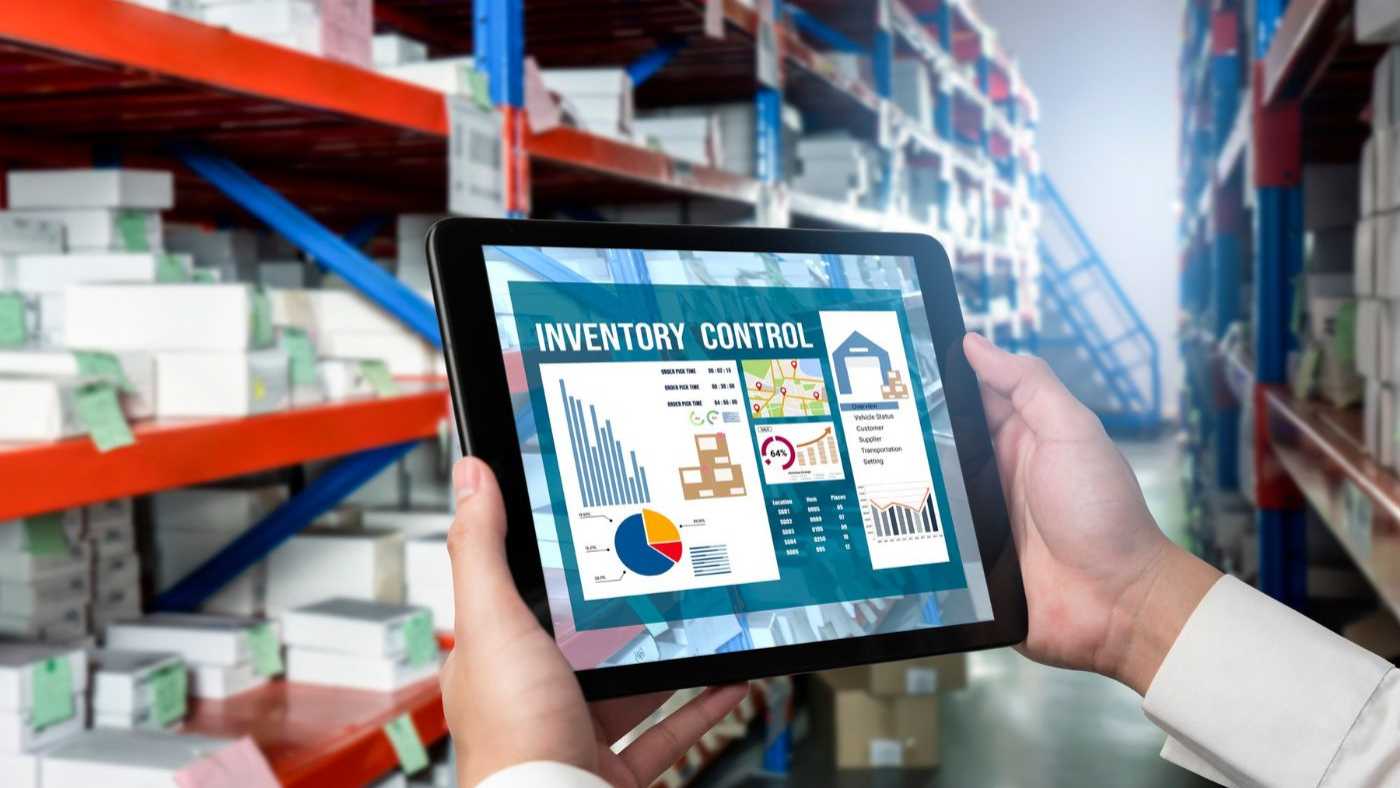
Inventory Management Software (IMS) is a digital solution designed to track, control, and optimize inventory levels across a business. It replaces manual stock records and spreadsheets with automated systems that provide real-time visibility into inventory movement.
Meaning of Inventory Management Software
Inventory Management Software is a technology-based system that helps businesses monitor stock levels, record inventory transactions, manage orders, and forecast demand. It integrates inventory data with sales, purchasing, warehousing, and accounting functions.
Objectives of Inventory Management Software
- To maintain optimal inventory levels
- To reduce overstocking and understocking
- To improve inventory accuracy
- To automate inventory-related processes
- To support better decision-making
Key Features of Inventory Management Software
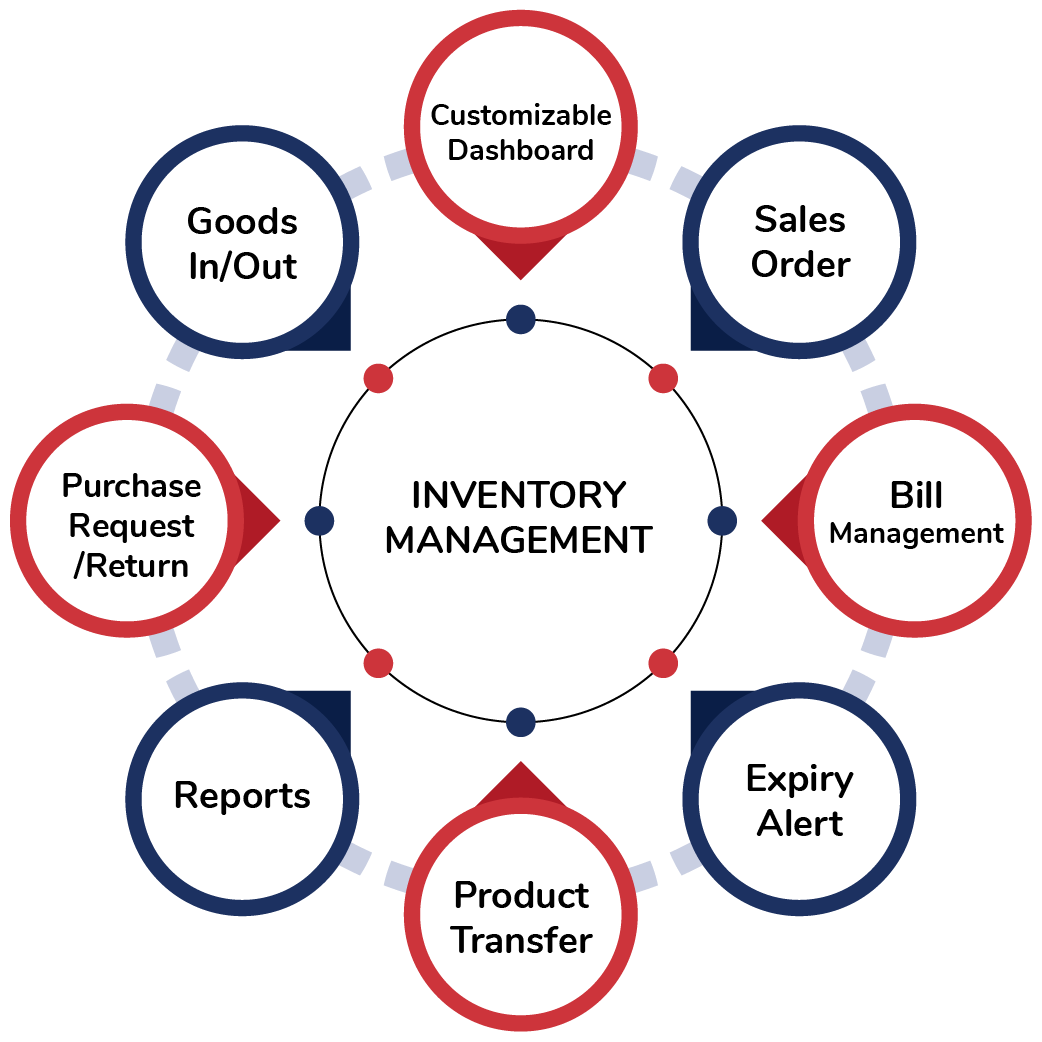
👉 Real-Time Inventory Tracking - Provides up-to-date information on stock availability across locations.
👉 Automated Stock Updates - Inventory levels update automatically after sales, purchases, or returns.
👉 Barcode and RFID Integration - Enables quick and accurate stock identification and movement.
👉 Order Management - Manages purchase orders, sales orders, and reorder points.
👉 Demand Forecasting - Uses historical data to predict future inventory needs.
👉 Multi-Location Management - Tracks inventory across multiple warehouses or stores.
👉 Reporting and Analytics - Generates inventory reports, turnover ratios, and stock valuation.
Benefits of Inventory Management Software
- Improved Accuracy: Reduces human errors
- Cost Reduction: Minimizes holding and ordering costs
- Time Efficiency: Automates manual tasks
- Better Customer Satisfaction: Ensures product availability
- Enhanced Control: Improves monitoring and accountability
- Scalability: Supports business growth
Challenges in Using Inventory Management Software
- High initial implementation cost
- Need for employee training
- Data migration issues
- Dependence on technology and internet connectivity
How to Choose the Right Inventory Management Software
Selecting the right inventory management software is critical for achieving operational efficiency and long-term scalability. Businesses should consider the following factors before making a decision:
- Business Size and Industry Needs: Choose software that fits your industry (retail, manufacturing, distribution) and business scale.
- Ease of Use: The system should be user-friendly and require minimal training.
- Customization and Scalability: Software should adapt as the business grows.
- Integration Capability: Ensure it integrates with accounting, ERP, POS, or e-commerce platforms.
- Real-Time Reporting: Look for strong analytics and reporting features.
- Cloud vs On-Premise: Cloud-based solutions offer flexibility and remote access.
- Security Features: Data protection, access control, and backups are essential.
- Cost and Support: Evaluate total cost, customer support, and vendor reliability.
Choosing the right inventory management software helps businesses reduce risks, improve visibility, and maximize return on investment.
Security and Data Control
Modern inventory management software includes role-based access control, audit trails, encrypted data storage, and regular backups to ensure data integrity and protection against unauthorized access.
Our Inventory Management Software Solution
Discover a smarter way to manage inventory with our Inventory Management Software—designed to deliver real-time stock visibility, automation, and better control for growing businesses.
👉 https://partumsoftwares.com/inventory-management-software/
Conclusion
Inventory Management Software plays a crucial role in modern business operations. By automating inventory processes and providing real-time insights, it helps organizations reduce costs, improve efficiency, and maintain optimal stock levels. Choosing the right software solution enables businesses to stay competitive, agile, and prepared for future growth.