Why Pre-Engineered Cold Storage Buildings Are Better Than Conventional Structures
0 likes | 0 Vues
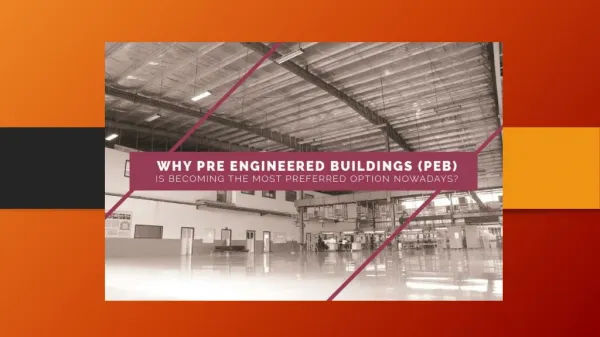
The demand for temperature-controlled warehouses is rapidly increasing due to growth in the food processing, pharmaceutical, dairy, and agriculture sectors. To meet this demand efficiently, businesses are choosing pre-engineered cold storage solutions over conventional RCC structures. These modern steel-based systems offer better insulation performance, faster construction, and long-term cost efficiency, making them highly suitable for cold storage applications.


Why Pre-Engineered Cold Storage Buildings Are Better Than Conventional Structures
E N D
Presentation Transcript
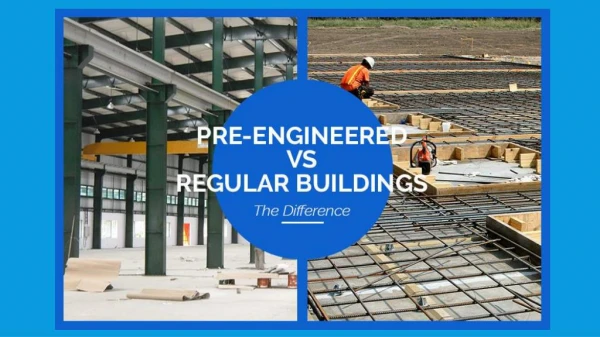
Why Pre-Engineered Cold Storage Buildings Are Better Than Conventional Structures The demand for temperature-controlled warehouses is rapidly increasing due to growth in the food processing, pharmaceutical, dairy, and agriculture sectors. To meet this demand efficiently, businesses are choosing pre-engineered cold storage solutions over conventional RCC structures. These modern steel-based systems offer better insulation performance, faster construction, and long-term cost efficiency, making them highly suitable for cold storage applications. Faster Construction and Timely Commissioning Cold storage projects are time-sensitive, especially for industries dealing with perishable goods. Pre-engineered buildings (PEB) are fabricated in a factory-controlled environment and assembled at the site with precision. While foundation work progresses on-site, structural components are manufactured simultaneously, reducing overall project duration. In comparison, conventional RCC construction involves lengthy curing processes and sequential work stages, which delay completion. Superior Thermal Insulation Performance Temperature control is the most critical aspect of any cold storage facility. Pre-engineered cold storage buildings are designed to integrate high-quality insulated panels, such as PUF (Polyurethane Foam) panels, with airtight joints. Steel structures allow precise fitting of insulation systems, reducing thermal leakage and maintaining consistent internal temperatures. RCC structures may develop cracks over time, leading to energy loss and higher operating costs. Cost Efficiency and Reduced Operational Expenses Although the initial investment in steel structures may appear comparable to RCC, the long-term savings are significant. Pre-engineered buildings are lighter, requiring smaller foundations, which lowers construction costs. Additionally, better insulation performance results in reduced electricity consumption for refrigeration systems. Lower energy usage directly reduces operational expenses over the building’s lifespan. Structural Strength and Durability Cold storage facilities must support heavy refrigeration equipment, storage racks, and dynamic loading conditions. Steel structures offer a high strength-to-weight ratio and
can withstand wind loads and seismic forces effectively. Protective coatings ensure corrosion resistance, which is essential in humid and low-temperature environments. Flexibility and Future Expansion Business growth often requires capacity expansion. Pre-engineered cold storage buildings can be easily extended by adding additional bays or increasing height without major structural disruption. RCC buildings require extensive modification for expansion, increasing cost and downtime. Sustainability and Eco-Friendly Construction Steel is recyclable, and factory fabrication minimises material wastage. Energy-efficient insulation systems further reduce carbon footprint, supporting sustainable business operations. Pre-engineered cold storage buildings offer faster construction, better insulation, structural strength, and long-term cost savings compared to conventional RCC structures. Their flexibility and energy efficiency make them ideal for modern temperature-controlled facilities. For reliable design and execution, partnering with an experienced Cold Storage Manufacturer in Nagpur ensures high-quality infrastructure tailored to your operational needs.