How to Choose the Right Tech Stack for Your Software Project
0 likes | 1 Vues
Learn how to select the right tech stack based on project goals, scalability, budget, performance, and future growth to build efficient software solutions.


How to Choose the Right Tech Stack for Your Software Project
E N D
Presentation Transcript
How to Choose the Right Tech Stack for Your Software Project By Sneha Rajeev | Senior Content Strategist
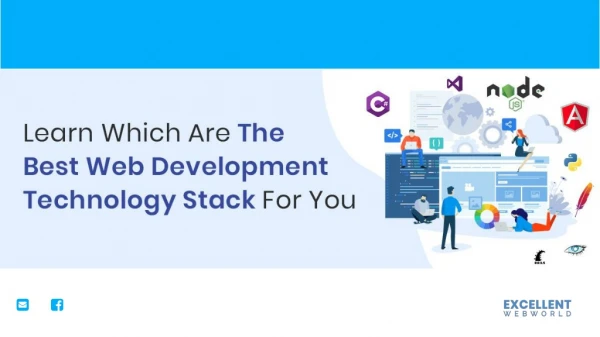
Introduction Choosing the right tech stack is one of the most critical decisions you’ll make when planning a software development project. Whether you’re building a web app, mobile app, SaaS product, or enterprise solution, the technology stack you choose directly impacts scalability, performance, security, and cost. In 2025, with the rise of AI integration, real-time applications, microservices, and global digital transformation, the stack selection goes beyond just choosing a language – it’s about aligning business goals with technical capabilities. This guide explores how to strategically select your tech stack for long-term success. What Is a Tech Stack? A tech stack is the combination of programming languages, frameworks, libraries, databases, servers, APIs, and tools used to develop and run a software application. Common Layers of a Tech Stack: ● Frontend (Client-side) – Interface users interact with ● Backend (Server-side) – Logic, APIs, and data management ● Database – Data storage, retrieval, queries ● DevOps/Hosting – Deployment, CI/CD, monitoring, scaling ● Third-Party Tools/APIs – Integrations, analytics, payment gateways, etc. Why Choosing the Right Stack Matters in 2025 ● Impacts speed of development
● Determines scalability and flexibility ● Affects hiring and team productivity ● Influences your time to market ● Dictates performance, reliability, and cost Stat: According to Stack Overflow’s 2025 Developer Survey, 61% of failed software projects cited tech stack misalignment as a contributing factor. Factors to Consider Before Choosing a Tech Stack ● Project Type & Size: A real-time chat app requires different tech than a content-heavy CMS or AI-based data analyzer. ● Scalability Requirements: Will the system need to handle thousands or millions of users in future? ● Time to Market: Startups may prefer stacks that enable faster MVP builds (e.g., MERN, Laravel). ● Team Expertise: Choose technologies your developers are comfortable and productive with. ● Security & Compliance: Financial and healthcare projects demand robust security frameworks. ● Budget Constraints: Open-source frameworks may save licensing costs. ● Maintenance & Community Support: Look for frameworks with active communities, regular updates, and vast documentation. ● Integration Requirements: Will it need to connect with APIs, payment gateways, CRMs, or AI tools? Top Tech Stack Combinations in 2025
● MERN Stack (MongoDB, Express.js, React.js, Node.js): Ideal for full-stack JavaScript development, great for SPAs, real-time apps, dashboards, fast-growing developer community. ● MEAN Stack (MongoDB, Express.js, Angular, Node.js): Angular offers structured and scalable frontend, best suited for enterprise-grade web apps. ● LAMP Stack (Linux, Apache, MySQL, PHP): Longstanding and stable, common for WordPress, Drupal, and legacy apps, budget-friendly. ● JAMstack (JavaScript, APIs, Markup): High performance and secure, popular for static websites and headless CMS. ● Django + PostgreSQL: Python-based secure backend with robust ORM, used in fintech, AI/ML, healthcare apps. ● Flutter + Firebase: Best for cross-platform mobile apps, Firebase handles backend, hosting, auth, and analytics. ● Next.js + Headless CMS (e.g., Strapi, Sanity): For blazing-fast web performance & SEO, great for marketing websites and e-commerce. Frontend Considerations in 2025 ● Choose React or Vue for high interactivity and reusable components ● Use Tailwind CSS or Bootstrap 5 for responsive, clean design ● Ensure mobile-first design (Google’s algorithm favors mobile usability) ● Prefer SSR or SSG with frameworks like Next.js or Nuxt.js for SEO Backend Considerations ● Use Node.js for scalable, event-driven apps (e.g., chat, gaming) ● Choose Django or Flask for ML/AI-driven or data-intensive systems ● Laravel or Ruby on Rails for rapid MVPs ● .NET Core for enterprise-grade, Windows-based systems
Database Options ● SQL: PostgreSQL, MySQL – strong for relational data & complex queries ● NoSQL: MongoDB, DynamoDB – suitable for flexible schema, high-speed I/O ● Graph DBs: Neo4j – for relationship-based data like social networks Cloud Hosting & DevOps Tools ● AWS, GCP, Azure – globally scalable, AI-enabled cloud platforms ● Vercel / Netlify – JAMstack & frontend hosting ● Docker & Kubernetes – containerized deployments & orchestration ● GitHub Actions / GitLab CI – for automated CI/CD pipelines How AI Is Influencing Tech Stack Selection AI-first tools like OpenAI, LangChain, Pinecone, and Hugging Face are influencing backend architecture. Developers are choosing stacks that integrate LLM APIs, RAG patterns, and AI-driven chatbot libraries. “2025 is the year when software teams won’t just write code, they’ll compose AI-enhanced workflows.” – Satya Nadella, Microsoft CEO Real-World Examples ● Airbnb switched to React and GraphQL for performance and code maintainability ● Slack uses Electron (for desktop), JavaScript + Kotlin for mobile ● Shopify built Hydrogen (React-based) and Oxygen for headless e-commerce ● Zerodha (India) uses Django, PostgreSQL, and Kubernetes for scale
FAQs: Tech Stacks for India & GCC Businesses What stack is commonly used by Chennai-based startups in 2025? MERN and Django/PostgreSQL are top picks due to open-source advantages, community support, and developer availability. Do GCC software agencies prefer open-source or licensed stacks? Most prefer open-source (Laravel, Node.js) but enterprise clients in UAE and KSA opt for Microsoft and Oracle-based solutions. Is Flutter popular for app development in India? Yes — Flutter is a go-to choice for cross-platform apps due to cost-efficiency and speed-to-market, widely used by Indian app dev firms. Conclusion Choosing the right tech stack in 2025 isn’t just a technical decision – it’s a strategic one. Your tech stack should align with: ● Product roadmap ● Budget and timeline ● Future scalability ● Your team’s existing strengths ● Security, performance, and user experience goals There is no one-size-fits-all stack – but with thoughtful planning and clear goals, you can build the perfect tech foundation.
Call to Action Need help choosing the right stack for your software project? BlazeDream has 20+ years of experience building scalable software solutions for clients across 30+ countries. Email: reach@blazedream.com Website: www.blazedream.com Let our experts help you build the right tech for the right business goals. Source:https://www.blazedream.com/blog/choose-tech-stack-software-project-2025/