Download

1 / 8
0 likes | 0 Vues
Discover effective angioplasty treatment options to restore blood flow and improve heart health. Learn about procedures, benefits, and recovery tips today.

E N D
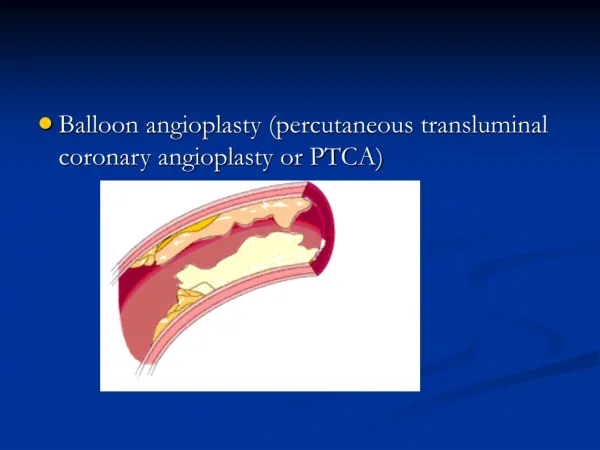
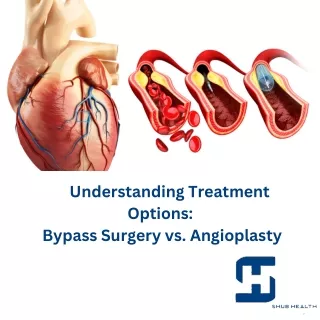
ANGIOPLASTY TREATMENT Minimally Invasive Solution for Blocked Arteries Angioplasty is a minimally invasive procedure used to open blocked or narrowed arteries and restore healthy blood flow. A small balloon is inflated at the blockage site, and in most cases, a stent is placed to keep the artery open long-term. It is commonly performed for heart, leg, and carotid artery blockages.
WHY IS ANGIOPLASTY REQUIRED? Angioplasty is recommended when: Severe chest pain (angina) affects daily life Blocked arteries increase the risk of heart attack or stroke Conditions like Peripheral Vascular Disease (PVD) or carotid artery disease are present A non-surgical alternative to bypass surgery (CABG) is preferred
KEY ADVANTAGES OF ANGIOPLASTY Minimally invasive with no major surgery Quick recovery and shorter hospital stay Effective long-term relief from artery blockages Can be performed with or without stent, based on patient needs
PREPARATION BEFORE ANGIOPLASTY Before the procedure, patients should: Consult a cardiologist or vascular specialist Undergo diagnostic tests such as CT angiography or stress tests Follow medication and fasting instructions Arrange post-procedure support
HOW ANGIOPLASTY IS PERFORMED A catheter is inserted through the wrist or groin A balloon catheter is guided to the blockage The balloon is inflated to open the artery A stent may be placed to maintain blood flow (Also known as Percutaneous Coronary Angioplasty – PTCA)
RISKS & POSSIBLE COMPLICATIONS Minor bleeding or bruising Rare artery re-narrowing (restenosis) Blood clots or dye-related reactions (managed with medication)
RESULTS & OUTCOMES Immediate relief from chest pain and breathlessness Restored blood flow to the heart or affected area Reduced risk of heart attack or stroke Fast recovery and improved quality of life Long-lasting results, especially with stent placement
Get in Touch REGIMEN HEALTHCARE Best Medical Tourism Company india +91 9310356465 A-245, above Wow Gym, Abul Fazal Enclave Part 2, Jamia Nagar, Okhla, New Delhi, Delhi 110025