Aluminum Hydroxide Market Outlook and Forecast
The Aluminum Hydroxide Market continues to hold strategic importance across multiple industrial value chains, supported by its wide-ranging applications in flame retardants, pharmaceuticals, water treatment, and construction materials. Aluminum hydroxide is valued for its non-toxic nature, thermal stability, and ability to act as both a filler and a fire suppressant, making it indispensable in regulated and safety-critical environments.
In 2025, the market reached a valuation of USD 12.35 Billion, reflecting steady demand from mature end-use industries as well as emerging infrastructure-driven economies. Looking ahead, the market is expected to expand to USD 18.64 Billion by 2035, driven by consistent uptake across construction materials, polymer compounds, and industrial processing applications.
Growth during the 2026–2035 period is forecast at 4.2%, underpinned by rising safety standards, increased construction activity in developing regions, and sustained demand from chemical and pharmaceutical manufacturing. Unlike highly volatile specialty chemicals, aluminum hydroxide benefits from relatively stable consumption patterns, reinforcing its position as a dependable industrial material.
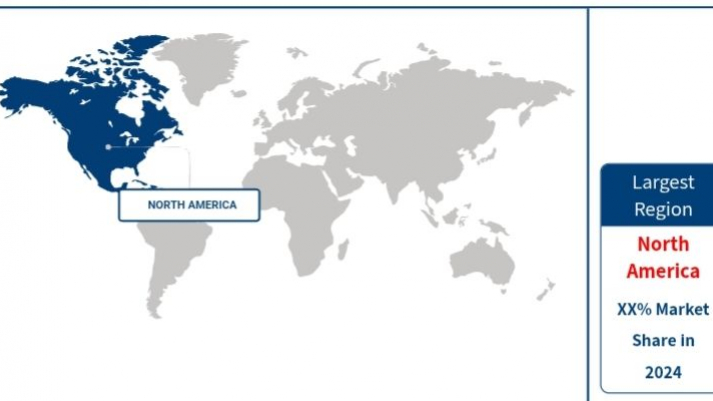
From a regional perspective, North America remains a key consumer, supported by strong regulatory enforcement around fire safety and established pharmaceutical manufacturing. Europe continues to emphasize halogen-free flame retardants and environmentally benign additives, favoring aluminum hydroxide over traditional alternatives.
Asia Pacific represents the fastest-evolving regional market, driven by rapid urbanization, large-scale infrastructure development, and expanding plastics and polymer processing industries, particularly in China and India. In terms of market segmentation, the industrial grade segment maintained its leadership by securing 58.8% of the market in 2025.
This dominance reflects its extensive use in flame retardant systems, chemical intermediates, and water treatment applications. Meanwhile, the construction segment recorded a 41.2% revenue share, supported by the growing use of aluminum hydroxide in cement, insulation materials, roofing systems, and fire-resistant panels used in commercial and residential buildings.
Request Free Sample Report @ https://www.fundamentalbusinessinsights.com/request-sample/11033
Top Trends Shaping the Aluminum Hydroxide Market
Rising Demand for Halogen-Free Flame Retardants: One of the most influential trends in the aluminum hydroxide market is the global shift toward halogen-free flame retardant systems. Regulatory agencies and end users are increasingly prioritizing low-toxicity, smoke-suppressing materials, particularly in electronics, construction, and transportation.
Aluminum hydroxide decomposes endothermically, releasing water vapor that suppresses flames, making it an attractive solution for manufacturers seeking compliance with stringent fire safety standards. Expansion of Construction and Infrastructure Projects: Ongoing urbanization and infrastructure investments are significantly boosting demand for aluminum hydroxide in construction materials.
Its use as a filler and fire-retardant additive in cement, concrete, insulation boards, and roofing materials aligns well with evolving building codes that emphasize fire resistance and structural safety. Emerging economies across Asia Pacific and the Middle East are particularly influential in driving this trend.
Growing Role in Pharmaceutical and Medical Applications: Aluminum hydroxide continues to play a vital role as an antacid and vaccine adjuvant in the pharmaceutical sector. Increased healthcare spending, broader immunization programs, and expanding access to medical services in developing regions are reinforcing demand. Manufacturers are also investing in higher-purity grades to meet pharmaceutical compliance requirements, strengthening value creation within this segment.
Sustainability and Environmental Compliance: Environmental considerations are reshaping material selection across industries. Aluminum hydroxide’s non-toxic profile and compatibility with environmentally responsible manufacturing processes position it favorably amid rising sustainability expectations. Companies are increasingly promoting its role in reducing reliance on hazardous flame retardant chemicals, aligning product portfolios with ESG-driven procurement strategies.
Request Free Sample Report @ https://www.fundamentalbusinessinsights.com/request-sample/11033
Recent Company Developments Recent activity within the aluminum hydroxide market highlights a focus on capacity optimization, product quality enhancement, and downstream integration. Major global producers such as Albemarle Corporation, Nabaltec AG, and Huber Engineered Materials have continued to refine their aluminum hydroxide offerings to address growing demand from flame retardant and polymer applications. Investments in advanced milling and surface treatment technologies have enabled suppliers to improve dispersion characteristics and performance consistency.
BASF SE and Evonik Industries have emphasized sustainable material solutions, integrating aluminum hydroxide into broader portfolios aimed at supporting environmentally compliant construction and electronics manufacturing. These companies are leveraging their global distribution networks to strengthen market penetration, particularly in Asia Pacific.
Emerging regional players in China and India have expanded production capacities over the past year to meet domestic demand from construction and chemical processing industries. Strategic partnerships between aluminum hydroxide producers and compounders have also gained traction, enabling customized formulations for specific end-use requirements. Additionally, select manufacturers have announced investments in energy-efficient calcination and refining processes, supporting cost control while reducing environmental impact.
Overall, competitive dynamics remain moderately consolidated, with established players maintaining strong brand recognition and technical expertise, while regional suppliers compete on cost efficiency and localized supply advantages.
Request Free Sample Report @ https://www.fundamentalbusinessinsights.com/request-sample/11033
Related Reports
• Polyurethane Foam Market
• Polyolefin Elastomers Market