Industrial Virtual Pipeline Market Overview
The Industrial Virtual Pipeline Market is gaining strong traction as industries seek flexible, cost-efficient, and low-emission alternatives to traditional gas pipeline infrastructure. Virtual pipeline systems enable the transportation of compressed natural gas (CNG) and liquefied natural gas (LNG) via trucks, ships, and rail, offering a practical solution for energy delivery in remote or pipeline-constrained regions. Increasing industrial energy demand, combined with decarbonization initiatives and rising investments in gas-based infrastructure, continues to shape the market’s evolution.
Request Free Sample Report @ https://www.fundamentalbusinessinsights.com/request-sample/8537
Market Outlook and Forecast
The industrial virtual pipeline market demonstrates steady growth momentum, supported by expanding industrial gas consumption and the need for reliable off-grid energy solutions. Virtual pipelines are increasingly deployed across manufacturing plants, mining operations, power generation facilities, and industrial parks where pipeline connectivity is economically or geographically unviable.
• 2025 Market Size: USD 1.32 Billion
• Projected 2035 Market Size: USD 2.25 Billion
• Growth Forecasts (2026–2035): 5.5%
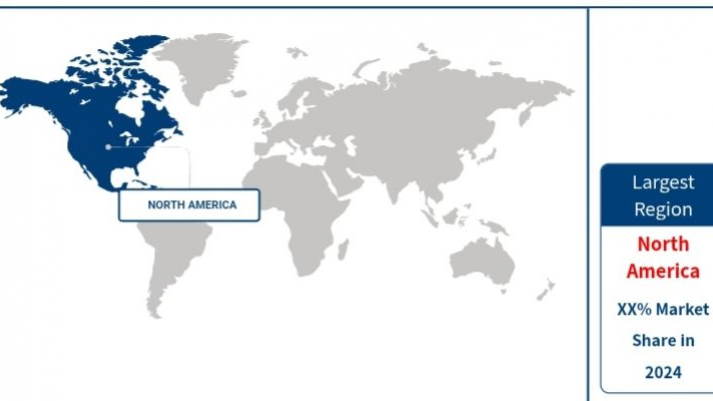
Regionally, North America continues to lead adoption due to well-established gas logistics infrastructure, strong industrial demand, and supportive policies for cleaner fuels. The Europe market benefits from aggressive emission reduction targets and increased substitution of coal and oil with natural gas in industrial applications. Meanwhile, Asia Pacific is emerging as a high-growth region, driven by rapid industrialization, expanding manufacturing bases, and government-backed clean energy transitions in countries such as China and India.
From a segmentation perspective, the CNG segment accounted for 49.5% market share in 2025, owing to its cost efficiency, ease of handling, and suitability for short- to mid-range transportation. Additionally, the truck segment dominated logistics with a 58.8% share, highlighting the importance of flexible, scalable transport solutions in virtual pipeline operations.
Request Free Sample Report @ https://www.fundamentalbusinessinsights.com/request-sample/8537
Top Market Trends Shaping the Industry
Expansion of Off-Grid Industrial Energy Solutions: Industries operating in remote or underserved regions are increasingly adopting virtual pipelines to ensure uninterrupted energy supply. Mining, cement, and heavy manufacturing sectors are key beneficiaries, as virtual pipelines eliminate the long lead times and high capital costs associated with conventional pipelines.
Rising Preference for CNG over Conventional Fuels: CNG’s lower emissions profile and price stability compared to diesel and fuel oil are accelerating its adoption in industrial heating, power generation, and captive energy applications. This trend is reinforced by tightening environmental regulations and corporate sustainability commitments.
Advancements in Gas Storage and Transportation Technology: Innovations in high-pressure storage cylinders, modular gas trailers, and digital fleet monitoring systems are enhancing operational efficiency and safety. These advancements are enabling operators to optimize delivery schedules and reduce transportation losses.
Integration of Digital Monitoring and Automation: Digitalization is transforming virtual pipeline operations through real-time tracking, predictive maintenance, and data-driven logistics optimization. This trend supports higher reliability, reduced downtime, and improved cost management across industrial supply chains.
Request Free Sample Report @ https://www.fundamentalbusinessinsights.com/request-sample/8537
Recent Company Developments
Leading companies and emerging players in the industrial virtual pipeline market are actively strengthening their positions through capacity expansions, strategic partnerships, and technology upgrades.
• Air Products and Chemicals, Inc. expanded its mobile gas supply solutions portfolio to cater to industrial customers in remote locations.
• Linde plc invested in advanced gas transportation modules aimed at improving delivery efficiency and safety.
• Chart Industries focused on cryogenic equipment enhancements to support LNG-based virtual pipeline systems.
• Hexagon Composites introduced lightweight composite cylinders designed for high-pressure CNG transportation.
• INOXCVA strengthened its LNG logistics infrastructure to support industrial energy applications across Asia.
• FIBA Technologies advanced modular gas storage systems for flexible industrial deployment.
• NG Advantage expanded its virtual pipeline network to serve mid-sized industrial consumers.
• Gas Innovations launched digital monitoring solutions to optimize virtual pipeline fleet operations.
These developments reflect the industry’s focus on scalability, safety, and operational efficiency to meet evolving industrial energy demands.
Request Free Sample Report @ https://www.fundamentalbusinessinsights.com/request-sample/8537
Related Reports
• Disposable Incontinence Products Market
• Propyl Gallate Market