Marine Reciprocating Engine Market Outlook
The Marine Reciprocating Engine Market is witnessing steady momentum as global maritime trade, offshore energy activities, and naval modernization programs continue to expand. Marine reciprocating engines remain a critical propulsion and power-generation solution across commercial vessels, tankers, bulk carriers, container ships, and specialized offshore platforms. Their reliability, high torque output, and adaptability to different fuel types have sustained demand despite the industry’s gradual shift toward alternative propulsion systems.
In 2025, the marine reciprocating engine market size stood at USD 26.63 billion and is projected to reach USD 47.24 billion by 2035, reflecting a compound growth forecast of 5.9% during 2026–2035. This growth trajectory is shaped by fleet expansion in emerging economies, retrofitting of existing vessels to comply with emission regulations, and increased investment in maritime infrastructure worldwide.
Request Free Sample Report @ https://www.fundamentalbusinessinsights.com/request-sample/8500
Market Size, Growth, and Regional Performance
The marine reciprocating engine market continues to demonstrate resilience, supported by long vessel lifecycles and consistent demand for replacement engines and components. While alternative propulsion technologies such as LNG, hybrid systems, and battery-assisted solutions are gaining attention, reciprocating engines remain the backbone of global shipping due to their proven operational efficiency and scalability.
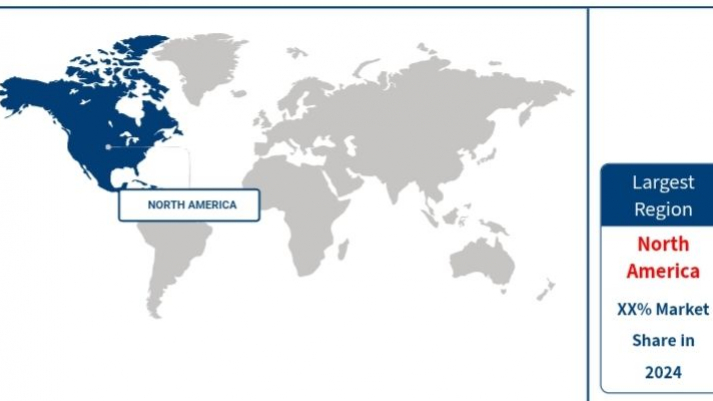
North America maintains a stable share of the market, driven by naval fleet upgrades, offshore oil & gas operations in the Gulf of Mexico, and inland waterway transportation. The region also benefits from strong regulatory enforcement, encouraging the adoption of advanced engine technologies with improved emission performance.
Europe is characterized by technological innovation and regulatory leadership. European shipowners are actively investing in next-generation marine engines that comply with IMO Tier III emission standards. The presence of major engine manufacturers and shipyards further supports market growth, particularly in retrofit and modernization projects.
Asia Pacific represents the fastest-growing regional market, underpinned by expanding shipbuilding activity in China, South Korea, and Japan. Rapid growth in seaborne trade, coastal shipping, and port development across Southeast Asia and India continues to fuel demand for marine reciprocating engines in both commercial and defense applications.
Request Free Sample Report @ https://www.fundamentalbusinessinsights.com/request-sample/8500
Market Segmentation Analysis
By fuel type, the diesel segment maintained its dominant position, accounting for 68.6% of the marine reciprocating engine market share in 2025. Diesel engines remain the preferred choice due to their high fuel efficiency, durability, and extensive global fueling infrastructure. Continuous advancements in fuel injection systems, turbocharging, and exhaust after-treatment technologies are helping diesel engines meet increasingly stringent environmental regulations.
In terms of power output, the > 7.5 MW segment captured 41.2% of the market share in 2025. These high-power engines are widely deployed in large commercial vessels, including container ships, oil tankers, and bulk carriers, where consistent power delivery and operational reliability are essential. Growth in this segment is closely tied to the expansion of long-haul maritime trade routes and the increasing size of commercial vessels.
Request Free Sample Report @ https://www.fundamentalbusinessinsights.com/request-sample/8500
Top Market Trends Shaping the Industry
Stricter Emission Regulations: International maritime regulations, particularly those set by the International Maritime Organization (IMO), are compelling engine manufacturers to innovate. Compliance with sulfur caps and nitrogen oxide emission limits is driving the adoption of advanced combustion technologies and exhaust gas treatment systems.
Engine Retrofitting and Upgrades: Rather than full vessel replacement, many shipowners are opting to retrofit existing engines with emission control solutions and digital monitoring systems. This trend is creating sustained aftermarket demand and extending the lifecycle of marine reciprocating engines.
Digitalization and Smart Engine Monitoring: The integration of sensors, real-time performance monitoring, and predictive maintenance software is transforming engine operations. Digital solutions help reduce downtime, improve fuel efficiency, and enhance overall vessel performance.
Fuel Flexibility and Dual-Fuel Engines: Manufacturers are increasingly developing engines capable of operating on multiple fuels, including LNG and biofuels. This flexibility supports compliance with environmental standards while allowing operators to optimize fuel costs.
Request Free Sample Report @ https://www.fundamentalbusinessinsights.com/request-sample/8500
Recent Company Developments
Leading players in the marine reciprocating engine market continue to strengthen their positions through product innovation, strategic partnerships, and capacity expansions. Companies such as MAN Energy Solutions, Wärtsilä, Caterpillar, Rolls-Royce Power Systems, Hyundai Heavy Industries, Mitsubishi Heavy Industries, Yanmar, and Cummins have been actively investing in R&D to develop cleaner and more efficient engine platforms.
Over the past year, several manufacturers have introduced upgraded engine models designed to meet IMO Tier III standards while improving fuel efficiency. Strategic collaborations between engine makers and shipbuilders have also accelerated the deployment of advanced propulsion systems in new vessel constructions. Additionally, investments in digital service platforms and global service networks highlight the industry’s focus on lifecycle support and customer value.
Request Free Sample Report @ https://www.fundamentalbusinessinsights.com/request-sample/8500
Conclusion and Industry Outlook
The marine reciprocating engine market is poised for sustained growth as global shipping activity continues to expand and environmental compliance drives technological innovation. While alternative propulsion systems are gradually emerging, reciprocating engines will remain indispensable for the foreseeable future due to their reliability, scalability, and cost-effectiveness. Market participants that prioritize emission compliance, digital integration, and fuel flexibility are expected to maintain a competitive edge in this evolving landscape.
Request Free Sample Report @ https://www.fundamentalbusinessinsights.com/request-sample/8500
Related Reports
Digital Health for Obesity Market
Software Defined Networking Market