Podiatry Surgical Instruments
0 likes | 4 Vues
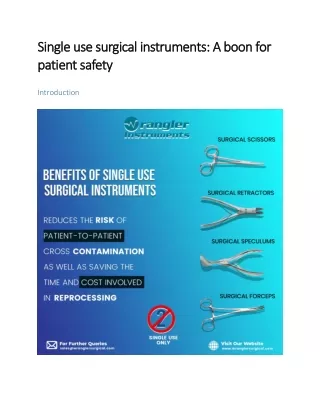
AzeeMed's Anvil Nail Extracting Forceps is a specialized orthopedic and podiatry device that surgeons can use to cut, divide and extract complete nails or ingrowth nail pieces, in order to prevent further complications.


Podiatry Surgical Instruments
E N D
Presentation Transcript
Podiatry Surgical Instruments: Tools for Precision in Foot and Ankle Surgery Podiatry, the medical specialty focusing on the diagnosis, treatment, and prevention of foot and ankle disorders, requires highly specialized instruments designed to meet the unique demands of this area of the body. Foot and ankle surgeries are intricate procedures that require precision and care, and having the right Podiatry surgical instruments is crucial for successful outcomes. Podiatry surgical instruments are designed to aid in everything from correcting deformities to performing delicate soft tissue repairs and bone reconstructions.
Specialized Instruments for Foot and Ankle Surgery The tools used in podiatric surgeries are specifically tailored for the anatomical complexities of the foot and ankle. These instruments enable podiatrists to address a wide variety of conditions, ranging from fractures and deformities to chronic conditions such as bunions or diabetic foot complications. The key to successful podiatric procedures lies in using tools that can navigate the small, complex structures of the foot while ensuring minimal trauma to surrounding tissues. Some common surgical instruments used in podiatric procedures include scalpels, forceps, bone chisels, and surgical drills, each serving a specialized function. For example, scalpels with fine blades are often used for precise incisions, while forceps are used to hold or manipulate soft tissues. Bone chisels help surgeons remove bone or reshape bone structures in procedures like bunion removal or hammertoe corrections. Podiatry Surgical Instruments for Soft Tissue Repair Soft tissue procedures are a significant part of podiatric surgery, whether it’s repairing tendons, ligaments, or soft tissues around the foot. In these procedures, tools like scissors, tissue forceps, and suturing instruments are frequently used to ensure a clean cut, accurate positioning, and proper wound closure. Surgical scissors come in various shapes and sizes, allowing the surgeon to make precise cuts in tight, delicate areas, such as around the arch or heel. Tissue forceps are designed to grip tissues with minimal trauma, holding them in place for suturing or other necessary actions. These forceps are especially useful when performing soft tissue repairs in delicate areas where precision is essential. In many cases, surgeons may use suturing instruments like needle holders and curved needles, which are designed for easy maneuverability within the foot and ankle’s confined space. Surgical Instruments for Bone Reconstruction Bone reconstruction in podiatric surgery is often required for correcting deformities, fractures, or other conditions such as flat feet or misaligned bones. Surgical instruments for bone procedures include osteotomes, bone cutters, and drills. An osteotome is used to shave or cut through bone, typically during procedures like bunionectomy or ankle fusion. It allows the surgeon to reshape or reposition bones with a high level of control and precision. Bone cutters are specialized instruments designed to cut bone, typically used in procedures that involve realigning the foot or ankle. For example, when treating a patient with a fractured bone in the foot, a bone cutter may be used to excise damaged bone and create a smoother surface for the bone to heal properly. Drills are also essential in bone procedures, especially when placing screws or plates for stabilization, ensuring that the proper depth and angle are achieved during the operation. Minimally Invasive Instruments in Podiatric Surgery
Advancements in podiatric surgery have led to an increase in minimally invasive techniques, which offer several benefits, including faster recovery times, reduced risk of infection, and smaller incisions. Instruments used in minimally invasive podiatry procedures include tiny cameras (arthroscopes), specialized retractors, and small, fine-tipped surgical tools. Arthroscopes are commonly used in ankle and foot joint surgeries, allowing surgeons to view the inside of the joint on a monitor in real time. This minimizes the need for large incisions and enables surgeons to operate with higher precision. Specialized retractors help to hold tissues back during surgery, allowing better access to the surgical site. These tools have become increasingly important in the treatment of conditions like arthritis and tendon injuries in the foot and ankle. The Role of Podiatric Surgical Instruments in Patient Care The importance of having the right surgical instruments in podiatric surgery cannot be overstated. These tools ensure that surgeons can perform complex procedures with accuracy, minimizing the risk of complications and enhancing patient outcomes. Podiatrists must rely on a wide range of instruments to provide the best possible care, whether they are performing simple nail surgeries or intricate bone reconstructions. With continuous advancements in podiatric surgical techniques, the design and function of surgical instruments also continue to evolve. From soft tissue repairs to bone reconstruction, podiatry surgical instruments remain a critical component in ensuring that patients can regain optimal function and mobility of their feet and ankles. Conclusion: Advancements in Podiatry Surgical Instruments Podiatry surgical instruments are indispensable tools that play a key role in the success of foot and ankle surgeries. These instruments allow podiatrists to perform precise and delicate procedures, from soft tissue repairs to bone reconstructions, ensuring positive outcomes and quicker recoveries for their patients. As surgical techniques continue to improve and evolve, the role of these specialized instruments remains central to the delivery of exceptional podiatric care.





![PODIATRY INSTRUMENTS [SURGICOSE]](https://cdn4.slideserve.com/8061799/medical-instruments-medical-instruments-dt.jpg)