surgical instruments forceps
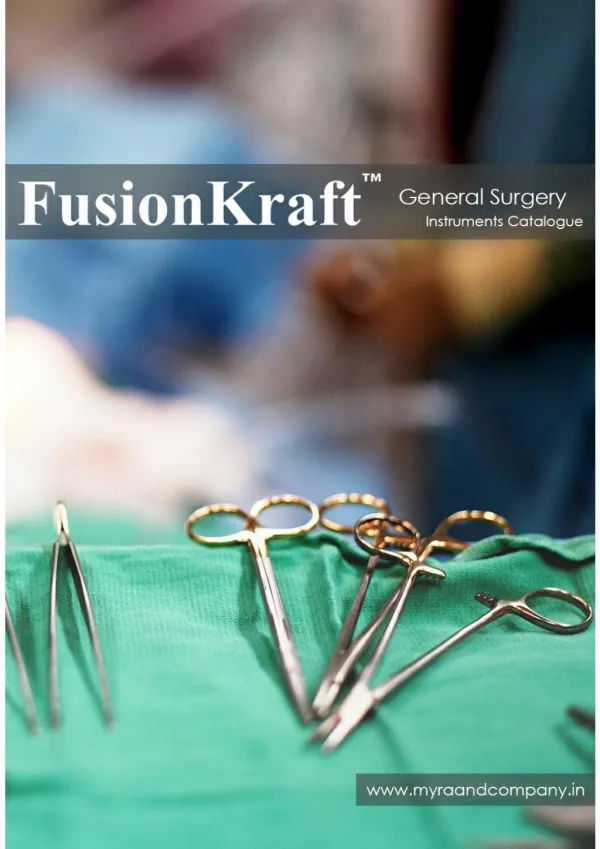
<br>AzeeMed's Adson Artery Forcep offers a broad range of surgical benefits. Its Ideal use is to manipulate blood vessels and control haemostasis to prevent surgical complications For this purpose, the instrument includes a pair of jaws with delicate transverse serrations that prevent endothelial damage.


surgical instruments forceps
E N D
Presentation Transcript
Forceps Instrument: An Essential Tool in Surgery Forceps are one of the most versatile and widely used surgical instruments, employed in a variety of medical and dental procedures. Known for their precision and ease of use, forceps are designed to grasp, hold, or manipulate tissues, organs, and other objects during surgeries. These surgical instruments forceps play a crucial role in ensuring that surgeries are performed with the utmost accuracy, minimizing trauma and improving patient outcomes. The different types of forceps available cater to various surgical needs, making them indispensable in the medical field. The Design and Function of Forceps
Forceps are typically composed of two arms that work together to grasp or manipulate an object or tissue. These arms are usually hinged at a central point, allowing the user to open and close the jaws of the forceps with controlled pressure. The gripping surface of the forceps may be smooth or serrated, depending on the task for which they are intended. The tips can be straight or curved, and some forceps even have specialized shapes for specific procedures. The ergonomic design of forceps ensures a firm yet comfortable grip, allowing surgeons to handle delicate tissues with precision and minimal force. The design of the forceps allows for the manipulation of tissues in confined spaces or during complex procedures. Surgeons can control the amount of pressure applied, ensuring that the tissues are held securely without causing unnecessary damage. Forceps can also be used to hold or secure sutures, absorbable materials, or surgical sponges, providing the surgeon with an extra set of hands when needed. Types of Forceps There are numerous types of forceps, each tailored for specific functions in surgical procedures. Some of the most common types include tissue forceps, which are used for grasping soft tissues during surgery, and needle holder forceps, which are designed to securely hold needles while suturing tissues. Surgical forceps can also be classified based on their use, such as hemostatic forceps for controlling bleeding, dressing forceps for handling wound dressing materials, or orthopedic forceps for manipulating bones during surgery. Forceps may also be classified by their tips, such as Adson forceps, which feature fine tips for delicate tissue handling, or splinter forceps, which are designed for removing small foreign bodies. Depending on the material being manipulated and the surgical site, the forceps' design and functionality will vary. Surgeons choose forceps based on the specific needs of each procedure, ensuring that the tool used will provide the necessary precision, safety, and effectiveness. Importance of Forceps in Surgery The importance of forceps in surgery cannot be overstated. They allow surgeons to perform tasks that require the utmost precision and dexterity. Whether it’s manipulating delicate tissues in a cardiac surgery or assisting in dental extractions, forceps are essential tools that help ensure the success of a wide range of medical procedures. One of the most significant benefits of forceps is their ability to provide controlled and stable force during procedures. For example, in procedures where bleeding control is crucial, such as during abdominal surgery, hemostatic forceps help clamp blood vessels to stop blood flow. In addition to providing secure handling, forceps can also reduce the risk of infection by limiting the surgeon's contact with the tissue, as they allow for more efficient manipulation of the surgical area with fewer direct hand interventions. Forceps also enhance the surgeon’s ability to work within a confined or small surgical field. In minimally invasive surgeries, such as laparoscopic or endoscopic procedures, forceps can access and manipulate tissue with minimal incisions, reducing recovery times for patients.
The precise grip of forceps ensures that even in such delicate, low-visibility surgeries, the surgeon can perform the procedure accurately. Conclusion: The Versatility of Forceps in Surgery Forceps are a fundamental component of a surgeon's toolkit, providing versatility, precision, and reliability during surgeries. Whether they are used to hold tissue, clamp blood vessels, or assist with suturing, forceps play a vital role in facilitating the success of a wide variety of procedures. The numerous types and designs available make them adaptable to various surgical needs, ensuring that every procedure is performed as effectively and safely as possible. With their ergonomic design and precise functionality, forceps continue to be indispensable instruments in the world of surgery, helping medical professionals provide the best care for their patients.