Smart Space Optimization and Cost Efficiency Using 2D Bin Packing Algorithm
Learn how the 2D Bin Packing Algorithm optimizes space, reduces costs, and enhances efficiency across logistics, manufacturing, and innovative home design


Smart Space Optimization and Cost Efficiency Using 2D Bin Packing Algorithm
E N D
Presentation Transcript
Smart Space Optimization and Cost Efficiency Using 2D Bin Packing Algorithm Efficient use of space is a critical factor across industries, from logistics and manufacturing to architectural design. One algorithm that has emerged as a cornerstone for solving complex spatial arrangement challenges is the 2D Bin Packing Algorithm. This computational technique is designed to arrange objects within a confined area in the most efficient manner possible, minimizing waste and maximizing utility. Whether it's optimizing shipment loads, reducing raw material waste, or designing compact living spaces, the 2D Bin Packing Algorithm delivers
precise, cost-effective solutions. Let's dive into its technical workings, practical applications, and transformative role in modern home design. Decoding the 2D Bin Packing Algorithm The 2D Bin Packing Algorithm is a class of optimization algorithms designed to fit multiple items into a container (or bin) while minimizing unused space. This is achieved by evaluating the dimensions, shapes, and constraints of the items to be arranged. Key components of the algorithm include: ● Input Data: Represents items (e.g., polygons) and bins, including their sizes, shapes, and placement constraints. ● Objective Function: Aim to minimize wasted space or maximize the number of items packed. ● Heuristics and Rules: Determines the sequence and orientation of items for optimal packing. ● Evaluation and Adjustment: Iteratively adjusts placements to refine the solution and approach the global optimum. Modern implementations often integrate dynamic programming, genetic algorithms, or metaheuristics, such as simulated annealing, to improve accuracy and reduce computational time. Industrial Applications of the Algorithm The versatility of the 2D Bin Packing Algorithm allows its integration into various industries, solving specific challenges with precision.
1. Supply Chain and Logistics ● Container Loading: Optimizes the placement of goods in shipping containers to maximize capacity and minimize transportation costs. ● Warehouse Storage: Efficiently allocates storage space by determining optimal item arrangements based on size and demand. 2. Manufacturing and Cutting Optimization ● Material Cutting: In industries like metal fabrication, glass manufacturing, or textile production, the algorithm minimizes scrap by arranging cutting patterns effectively. ● Resource Allocation: Reduces material usage by strategically aligning production layouts. 3. E-commerce and Packaging ● Dynamic Packing: Automates box selection and item arrangement for efficient packaging in fulfillment centers. ● Cost Reduction: Lowers shipping expenses by reducing empty space in packages. 4. Gaming and Graphics Rendering ● Texture Mapping: Optimizes the arrangement of textures on 3D models in game development, saving memory and rendering time. Revolutionizing Home Design with the Algorithm Beyond industrial applications, the algorithm demonstrates significant potential in residential design. Space optimization is particularly valuable in
compact urban environments, where efficient layouts directly translate to cost savings and functional improvements. 1. Layout Optimization By treating rooms and furniture as "polygons," the algorithm determines optimal placements to minimize unused space. For example, in a compact apartment: Bedrooms, kitchens, and bathrooms can be arranged to ensure minimal structural waste while maintaining flow and usability. The reduced use of materials, such as flooring and partitions, lowers construction costs. 2. Sustainable Construction Using the algorithm in home design supports sustainable architecture by reducing material waste. This aligns with eco-friendly construction practices while optimizing costs. 3. Functional Furniture Placement In interior design, the algorithm aids in placing furniture efficiently, ensuring that the available space is used without overcrowding or compromising aesthetics. Technical Breakdown of the Process Input and Modeling ● Data Acquisition: Item dimensions, shapes, and bin constraints are defined.
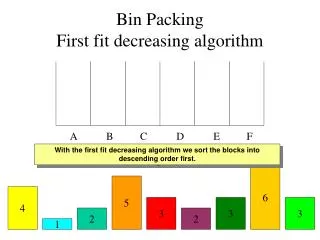
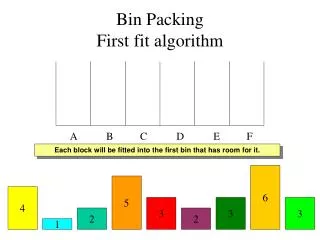
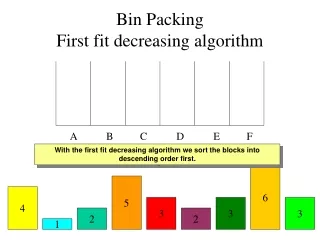
● Polygon Representation: Rooms or objects are represented as 2D polygons with specific constraints, such as adjacency requirements or restricted orientations. Packing Heuristics The algorithm uses packing strategies, such as: ● First-Fit Decreasing (FFD): Prioritizes larger items first to ensure better space utilization. ● Bottom-Left Strategy: Places items starting from the bottom-left corner of the bin and moves upward/rightward. Optimization Techniques Advanced methods like Branch and Bound, Simulated Annealing, or Ant Colony Optimization are employed to refine packing and ensure the global optimum is approached. Output Evaluation The algorithm generates layouts with minimal unused space, reducing overall costs. Adjustments can be made dynamically to fit new constraints or optimize for additional objectives, such as structural integrity. Real-Life Scenario Consider a scenario where you need to design a compact apartment with limited space. Using the 2D Bin Packing Algorithm, the layout is optimized to fit all essential rooms while reducing costs for flooring, partitions, and utilities. The result is a functional, aesthetically pleasing home that meets budget constraints.
In another example, manufacturers use the algorithm to arrange patterns for cutting raw materials, achieving nearly zero wastage. This practice saves costs and aligns with eco-friendly objectives. Conclusion The 2D Bin Packing Algorithm exemplifies how advanced computational methods can revolutionize industries and everyday design practices. Its ability to optimize space, reduce costs, and enhance efficiency makes it indispensable for logistics, manufacturing, and architecture. At Laitkor Consultancy Services, we specialize in custom software solutions that incorporate cutting-edge algorithms like 2D Bin Packing. Whether you need to streamline industrial operations or design cost-effective residential layouts, our expertise ensures tailored, high-performance solutions. Embrace efficiency and innovation—partner with Laitkor to transform your vision into reality.