Electrical Service
Electrical service refers to the provision of electrical power and related services to residential, commercial, and industrial customers. It involves the generation, transmission, distribution, and utilization of electrical energy to power various devices, equipment, and systems.

Electrical Service
E N D
Presentation Transcript
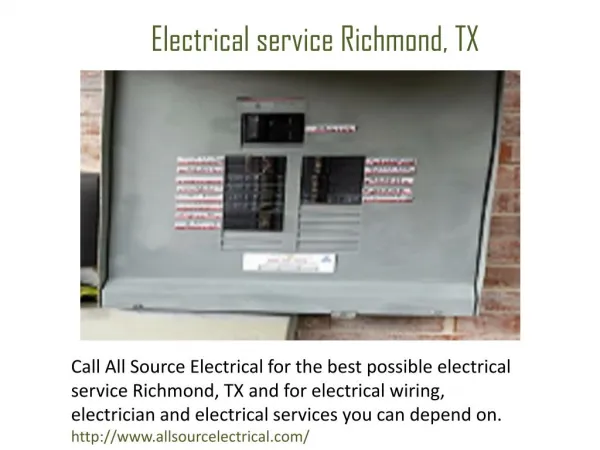
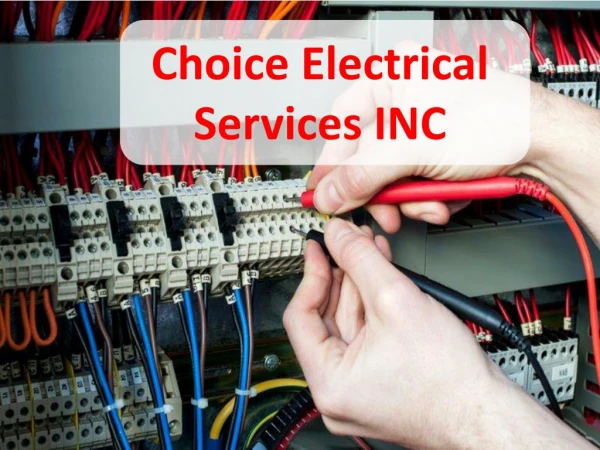
Electrical Service Electrical service refers to the provision of electrical power and related services to residential, commercial, and industrial customers. It involves the generation, transmission, distribution, and utilization of electrical energy to power various devices, equipment, and systems. Here are some key aspects related to electrical service: 1.Generation: Electrical power is typically generated at power plants through various means such as fossil fuel combustion, nuclear energy, hydroelectricity, wind turbines, solar panels, or other renewable sources. Power plants generate electricity at high voltage levels. 2.Transmission: Once generated, electrical power is transmitted over long distances through high-voltage transmission lines. These transmission lines help transport electricity from power plants to substations or distribution centers. 3.Distribution: At substations or distribution centers, high-voltage power is stepped down to lower voltages suitable for distribution to homes, businesses, and other consumers. Distribution lines then carry the electricity to neighborhoods and individual buildings. 4.Metering: Electric meters are installed at customer premises to measure the amount of electricity consumed. These meters provide information for billing purposes and help monitor energy usage. 5.Wiring and Connections: Electrical service includes the installation, maintenance, and repair of electrical wiring, outlets, switches, and other connections within buildings. This involves ensuring electrical safety, compliance with building codes, and efficient power distribution within the premises. 6.Electrical Panels: Electrical service often includes the installation and maintenance of electrical panels, also known as breaker boxes or distribution boards. These panels serve as central distribution points for electrical circuits within a building and protect against overloads or electrical faults. 7.Safety Measures: Electrical service providers adhere to safety standards to minimize the risk of electrical hazards, such as electrical shocks, fires, or
equipment damage. This includes grounding systems, surge protection, and following safety protocols during installations and repairs. 8.Emergency Response: Electrical service providers may have emergency response teams to address power outages, electrical failures, or other electrical emergencies promptly. They work to restore power and ensure the safety of the electrical infrastructure. It's important to note that specific regulations, standards, and service offerings may vary depending on the country, region, or local utility providers. Always consult with local electrical service providers or professionals for accurate and up-to-date information in your area.