Fingerprint Machine Singapore
0 likes | 0 Vues
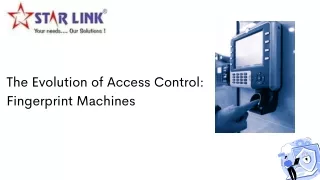
Fingerprint machine, also known as a biometric fingerprint scanner, is a device used to capture and identify fingerprints. These machines are commonly used for security purposes, such as in time and attendance systems, access control systems, and personal identification. Buy Fingerprint Reader Online u2013 Singapore | What is the fingerprint machine called? | What machine is used for fingerprinting? | What is the difference between a fingerprint and a biometric scan? | How do fingerprint scanners work? | Biometric Fingerprint & Face Recognition System | Biometric Fingerprint Reader | F18 | Fingerp


Fingerprint Machine Singapore
E N D
Presentation Transcript
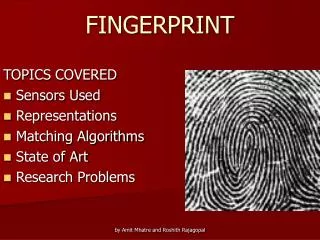
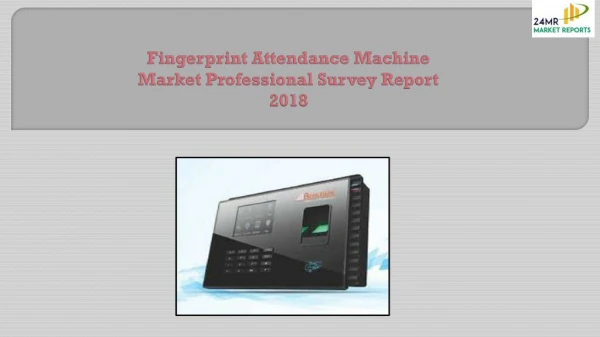
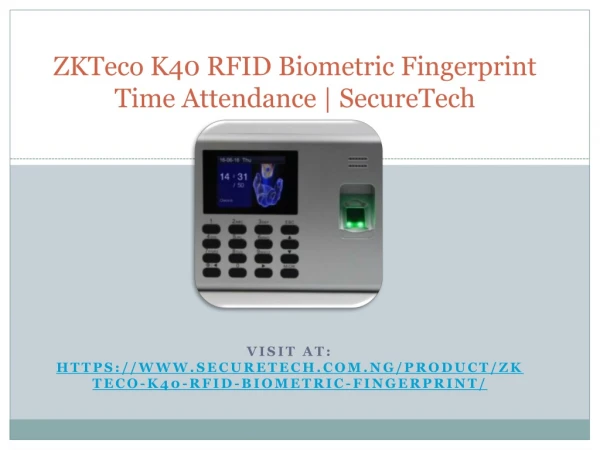
Fingerprint Machine Singapore In today’s security-conscious world, businesses and organisations are increasingly turning to biometric technology to ensure safety, efficiency, and accuracy. Among the most popular solutions in this space are fingerprint machines—devices that capture and verify an individual’s unique fingerprint to control access or track attendance. Fingerprint machines are no longer just a futuristic gadget; they’re a practical and reliable way to manage people, protect assets, and streamline daily operations. ? ? What Is a Fingerprint Machine? A fingerprint machine, also known as a biometric fingerprint scanner, is a device designed to capture an individual’s fingerprint and convert it into a digital template that can be used for identification and authentication. These devices are widely used in workplaces, secure facilities, and even personal environments where identity verification is critical. At the core, fingerprint machines leverage unique physical patterns — the ridges and minutiae on a person’s finger — to distinguish one individual from another. Because no two fingerprints are exactly alike, this form of biometric identification provides a level of security and precision that traditional methods like key cards or PIN codes can’t match. ? ? Key Uses of Fingerprint Machines Fingerprint machines serve several essential roles across industries: ? ? Access Control: These devices are used at entry points in offices, warehouses, and secure areas to ensure only authorised personnel can enter. By using a fingerprint as the key, organisations eliminate the risk of lost badges or shared PINs. ? ? Time and Attendance: Businesses use fingerprint machines to automatically record when employees clock in and out. This helps eliminate inaccuracies, prevent “buddy punching,” and improve the integrity of attendance records. ? ? Personal Identification: Fingerprint machines are also employed in environments where identity verification is critical — for example, in professional offices, border control, or administrative processes that require strict identity checks. ? ? Law Enforcement and Security: These devices play a role in forensic analysis, police work, and other security contexts where confirming identity is essential.
⚙️ ⚙️ How Fingerprint Machines Work The process of using a fingerprint machine typically involves three main steps: 1. Fingerprint Capture When an individual places their finger on the scanner, the device captures a digital image of the fingerprint using an optical, capacitive, or ultrasonic sensor. 2. Template Creation The unique features of the scanned fingerprint are extracted and converted into a digital pattern or template that represents the fingerprint. This template is stored securely in the system. 3. Matching and Verification When a person uses the scanner again, the device compares the captured fingerprint with the stored templates to verify identity. If a match is found, the system authenticates the user; otherwise, access or logging is denied. ? ? Important Features to Consider To get the most out of a fingerprint machine, organisations should look for devices that offer: High Accuracy: A reliable matching algorithm that reduces false acceptances and rejections. Fast Processing Speed: Quick response times to avoid delays in high-traffic areas. Security and Encryption: Strong safeguards to protect stored biometric templates. Compatibility: Seamless integration with attendance, payroll, or access control systems. Ease of Use: Intuitive interfaces that make it simple for users to interact with the device.
Exiga Software Solutions Pte Ltd 60 Paya Lebar Road, #13-12, Paya Lebar Square, Singapore 409051 +65 6238 3062 +65 6370 7279 +65 8876 6151 sales@exigasoftware.com.sg You may Contact Sales : (9.00AM – 1.00AM) Working Day: Monday – Saturday