Download

1 / 11

E N D
sst activity
BIORAPHY NAME:SIDHANT.V.RATHOD CLASS: IX A ROLL NO:14 SUBJECT:SST TOPIC:DISASTER MANAGEMENT TRACHER:MARIAM MAM
WHAT IS DISASTER A disaster is a severe disruption to a community or society, caused by natural or human-made events, that overwhelms local capacity and leads to widespread loss of life, property, economic stability, or environmental damage, requiring external assistance to cope. These sudden events, from floods and earthquakes to technological failures and conflicts, disrupt normal functions, demanding extraordinary emergency responses beyond the community's normal resources.
TYPES OF DISASTER NATURAL DISASTER Natural disasters are powerful events from nature, categorized into geological (earthquakes, volcanoes, tsunamis, landslides), meteorological (hurricanes, tornadoes, blizzards, droughts, floods, wildfires, heatwaves), and environmental (wildfires, droughts, tsunamis, floods) events, causing significant damage and loss of life, often worsened by human-induced climate change. MAN-MADE DISASTER Man-made disasters are caused by human error, negligence, or intent, ranging from industrial accidents like chemical spills (Bhopal) and nuclear meltdowns (Chernobyl) to transportation failures, terrorism, war, cyberattacks, and environmental damage (oil spills, deforestation). These disasters often involve technological failures, hazardous materials, or intentional acts, causing widespread harm, environmental contamination, and loss of life, unlike purely natural events.
THE HUMAN ENVIORMENT FACTOR .Physical & Chemical Factors: Air quality, water quality, soil quality, noise, radiation, and exposure to toxins (pesticides, industrial waste). .Biological Factors: Food availability, predators, competitors, and pathogens, as well as genetics interacting with exposures. .Built Environment: Infrastructure, housing, sanitation, urban planning, and access to resources. .Socio-Economic Factors: Lifestyles (smoking, diet), stress, racism, economic policies, consumption patterns, and population growth.
PRINCIPAL OF DISASTER MANAGMENT The core principles of disaster management involve a continuous cycle of Mitigation, Preparedness, Response, and Recovery, aiming to reduce disaster impact by preventing/minimizing risks, getting ready for events, taking immediate action during them, and restoring affected areas. Key principles include proactive risk reduction (prevention/mitigation), building capacity (preparedness), saving lives (response), and long-term rebuilding (recovery) for both natural and human-made hazards.
Post-disaster impact refers to the wide-ranging effects after a crisis, encompassing immediate humanitarian needs (shelter, food, medical aid) and long-term recovery challenges, including rebuilding infrastructure, restoring economies, addressing severe mental health issues like PTSD, and integrating disaster risk reduction (DRR) to "build back better," ensuring communities are more resilient to future events, often assessed via Post-Disaster Needs Assessments (PDNAs). post impact impact PRE IMPACT severe losses in life, property, and economic stability, alongside significant environmental damage and profound social/psychological trauma, disrupting essential services like transport, communication, and healthcare, with effects ranging from immediate physical harm (deaths, injuries) to long-term effects like PTSD, displacement, and altered economic growth trajectories Pre-impact disaster management involves proactive measures like mitigation (reducing risk) and preparedness (building capacity) before an event,
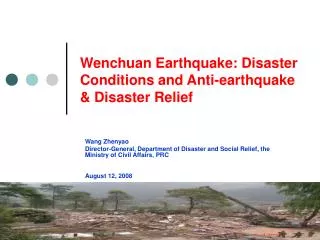
RESAL-WORLD EXAMPLE:CHINA TANGSHAN 1976 Real-world disaster stories are numerous, ranging from immense natural catastrophes like the 2004 Indian Ocean Tsunami (225k+ deaths) and China's 1976 Tangshan Earthquake (242k+ deaths) to technological failures like the Chernobyl nuclear disaster (28 immediate deaths, long-term cancer impact) and harrowing survival tales, such as the 1972 Andes Flight Disaster where rugby players survived for 72 days by resorting to cannibalism, showcasing human resilience amidst unimaginable loss and devastation.
DISASTER MANAGMENT COMMITEE A Disaster Management Committee (DMC) is a group formed to plan, coordinate, and execute actions before, during, and after disasters, focusing on preparedness, mitigation, response, and recovery for a specific community, organization, or area, involving training, drills, awareness, and linking with broader government bodies like India's National Disaster Management Authority (NDMA).
ROLE OF NURSING IN DISASTER urses are vital in all phases of disaster management (mitigation, preparedness, response, recovery) by providing direct care, triage, psychological support, health education, and resource coordination, acting as assessors, educators, communicators, and caregivers to safeguard public health and help communities rebuild. Their role includes planning, implementing, and evaluating emergency protocols, ensuring continuity of care, and addressing the diverse physical and mental needs of affected populations.
THANK FACED





![[READ DOWNLOAD] Disaster Law and Policy (Aspen Select Series)](https://cdn7.slideserve.com/12464078/slide1-dt.jpg)