Download

1 / 8
0 likes | 0 Vues
Discover why Denver dominates mobile app development in 2026. Talent, lifestyle, tech ecosystem, and innovation converge. Start your app journey!

E N D
Why Denver Will Be the Premier Hub for Mobile App Development in 2026 Denver has quietly positioned itself as one of North America's most compelling destinations formobile app development. While coastal tech hubs dominate headlines, the Mile High City has built a sophisticated ecosystem that combines technical excellence, innovative culture, and quality of life advantages that traditional tech centers struggle to match. The transformation is backed by impressive metrics: Denver's tech workforce grew 42% between 2020 and 2024, outpacing both Austin and Seattle according to CompTIA's Cyberstates report. Venture capital investment in Denver tech companies reached $5.8 billion in 2024, with mobile app startups capturing 34% of that funding. For businesses seeking app development Denver partnerships, these numbers signal a mature, dynamic market ready to deliver world-class solutions. What makes Denver particularly attractive for mobile app development in 2026? From an expanding talent pool and lower operational costs to strategic geographic positioning and a culture that prioritizes work-life balance, Denver offers unique advantages that translate directly into better app development outcomes. This comprehensive analysis explores seven factors establishing Denver as the ideal hub for businesses seeking mobile app development excellence.
Rapidly Expanding Tech Talent Pool Denver's technology workforce has reached critical mass, with over 185,000 tech professionals calling the metro area home as of late 2024. This talent pool grows continuously, fueled by both university graduates and experienced professionals relocating from oversaturated coastal markets seeking better quality of life. The University of Colorado Boulder, Colorado State University, and Colorado School of Mines collectively graduate approximately 3,500 computer science and engineering students annually. Many remain in Colorado, drawn by career opportunities that didn't exist a decade ago. A company specializing in mobile app development Denver can now recruit from this expanding local talent base rather than competing in expensive, hypercompetitive markets like San Francisco or New York. The quality matches the quantity. Denver developers bring diverse backgrounds spanning enterprise software, startup agility, and increasingly sophisticated mobile platform expertise. The region has developed particular strength in cross-platform development frameworks, native iOS and Android development, and emerging technologies like augmented reality integration—all critical for cutting-edge mobile applications. Remote Work Revolution Attracts Top Talent The permanent shift toward remote and hybrid work models has disproportionately benefited Denver. Developers from expensive coastal cities discovered they could maintain six-figure salaries while enjoying Denver's lower cost of living and superior lifestyle. This influx has elevated the average experience level and technical sophistication across Denver's development community. Companies focusing on app development Denver now access talent that previously concentrated exclusively in Silicon Valley or Seattle. Senior architects with experience scaling apps to millions of users, specialists in complex backend integrations, and creative UX designers who've worked on household-name applications—all are now available in Denver's market. Cost Efficiency Without Quality Compromise Denver delivers exceptional value for mobile app development investments. While not the cheapest option nationally, mobile app development Denver offers 30-40% cost savings compared to San Francisco or New York without sacrificing quality or expertise. Featured Snippet Optimization: Denver is the ideal mobile app development hub in 2026 due to rapidly expanding tech talent pools, 30-40% cost advantages over coastal cities, central time zone facilitating nationwide collaboration, thriving startup ecosystem, superior quality of life attracting stable talent, strong university partnerships, and emerging technology leadership in AR, AI, and IoT mobile applications.
Commercial real estate costs remain reasonable despite growth, allowing development firms to invest in collaborative workspaces, advanced development tools, and team retention rather than absorbing inflated overhead. Salary expectations, while competitive, remain 25-35% below Bay Area levels for equivalent roles. These savings pass directly to clients through more favorable project pricing. The value proposition extends beyond initial development costs. Denver firms exhibit lower employee turnover—developers who relocate to Denver rarely leave, creating team stability that reduces knowledge loss and onboarding expenses. This continuity means projects maintain momentum without disruption from constant personnel changes. Transparent Pricing Models Denver's app development culture emphasizes straightforward business relationships over inflated valuations and hype. Development firms typically offer clear, itemized proposals that break down costs by feature, allowing clients to make informed decisions about scope and budget allocation. This transparency contrasts sharply with some coastal markets where pricing opacity serves vendor interests over client understanding. Most Denver firms structure engagements with milestone-based payments tied to deliverable completion rather than demanding large upfront investments. This approach aligns incentives—development teams earn payment by delivering value, not by extending timelines or manufacturing complexity. Strategic Central Time Zone Positioning Geography matters in mobile app development, particularly when projects require real-time collaboration across distributed teams or stakeholder groups. Denver's Mountain Time Zone position provides strategic advantages for businesses operating nationally or internationally. For East Coast clients, Denver teams can accommodate morning meetings before starting development work that continues through afternoon overlap periods. For West Coast partners, Denver developers complete significant work before Pacific time businesses fully engage, then collaborate during afternoon hours. This positioning enables Denver teams to coordinate effectively with stakeholders across all U.S. time zones within standard business hours. International collaboration benefits equally. Denver developers can connect with European teams during morning hours when European afternoons overlap with Denver mornings. Asian market coordination works through evening communication windows, enabling truly global development cycles when projects demand it. Reduced Meeting Overhead The time zone advantage reduces the scheduling complexity that plagues purely coastal development teams. When your development partner operates in app development
Denver, you're not constantly negotiating 6 AM or 8 PM meeting times to accommodate three-hour differences. Standard business hour meetings work for everyone, improving participation, engagement, and decision quality while respecting work-life boundaries. Thriving Startup Ecosystem and Innovation Culture Denver's startup scene has matured significantly, creating an environment where innovation thrives and best practices circulate freely. Over 800 active tech startups operate in the metro area, with particularly strong concentrations in mobile-first businesses spanning fintech, healthtech, outdoor recreation technology, and enterprise SaaS. This density creates natural knowledge transfer. Developers working on mobile app development Denver projects benefit from ecosystem-wide learning about emerging frameworks, optimization techniques, and user engagement strategies. Regular meetups, conferences like Denver Startup Week, and informal networking events facilitate continuous professional development that keeps skills current. Key accelerators and innovation centers strengthening Denver's ecosystem: ● Techstars Boulder: One of the nation's premier startup accelerators, fostering mobile app innovation ● Galvanize Denver: Offering coding bootcamps and collaborative workspace for tech professionals ● University of Colorado entrepreneurship programs: Connecting academic research with commercial mobile app opportunities ● Built In Colorado: Media platform highlighting innovation and connecting talent with opportunities Companies partnering with Denver development firms tap into this collective ecosystem knowledge rather than isolated vendor expertise. When challenges arise, Denver developers leverage community connections to identify solutions faster than teams operating in less collaborative environments. Quality of Life Drives Talent Retention Denver consistently ranks among North America's most livable cities, and this reputation directly impacts mobile app development quality. Developers satisfied with their living environment exhibit greater job stability, higher productivity, and more creative problem-solving—all factors that improve client outcomes. The quality of life advantages are substantial: 300 days of annual sunshine, immediate access to world-class skiing and outdoor recreation, vibrant cultural scene, diverse dining options, and reasonable housing costs relative to income levels. These factors create lifestyle satisfaction that monetary compensation alone cannot provide.
Developer retention rates in Denver average 3.8 years—significantly longer than San Francisco's 2.1 years or New York's 2.4 years according to recent workforce studies. This stability means the team that starts your mobile app project likely finishes it, preserving institutional knowledge and maintaining continuity that accelerates development and improves quality. Work-Life Balance Culture Denver's culture prioritizes life outside work in ways that benefit professional output. Companies understand that developers who ski on weekends, hike during lunch breaks, and maintain rich personal lives return to work refreshed and creative. This balance prevents the burnout endemic to always-on coastal tech cultures that ultimately degrades code quality and decision-making. For clients, this translates to partnerships with teams that approach challenges with fresh perspectives rather than exhausted developers grinding through problems with depleted cognitive resources. The sustainable pace produces better long-term outcomes than unsustainable sprint cultures that deliver initial results but collapse during maintenance phases. Strong University and Research Partnerships Colorado's research universities maintain active partnerships with commercial app development Denver firms, creating rapid technology transfer from academic innovation to practical mobile applications. The University of Colorado system invests heavily in computer science research, particularly in areas directly relevant to mobile development like machine learning, computer vision, and human-computer interaction. These partnerships provide multiple benefits. Development firms gain early access to emerging technologies and can recruit from talent pools already familiar with cutting-edge approaches. Students benefit from real-world project experience that makes them productive from day one. Businesses partnering with Denver firms indirectly access university research capabilities that inform development approaches. Research areas particularly relevant to mobile app development: ● Computer vision and image processing for AR applications and visual search features ● Natural language processing for conversational interfaces and intelligent assistants ● Edge computing optimization for applications requiring local processing and minimal latency ● Security and privacy engineering for apps handling sensitive user data This academic connection keeps Denver's development community at the innovation frontier rather than perpetually implementing approaches developed elsewhere.
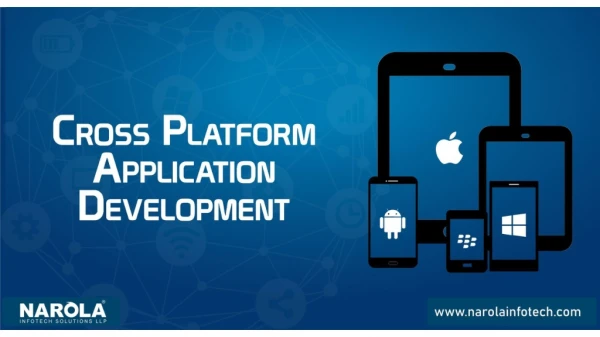
Leadership in Emerging Mobile Technologies Denver has emerged as a center for advanced mobile app technologies that will define 2026 and beyond. The region shows particular strength in augmented reality applications, AI-integrated mobile experiences, and IoT device connectivity—exactly the capabilities that differentiate next-generation apps from conventional mobile software. The outdoor recreation industry's strong Colorado presence has driven sophisticated GPS, mapping, and environmental sensor integration in mobile apps. Healthcare innovation has pushed telemedicine and remote monitoring capabilities. These industry demands have forced mobile app development Denver teams to solve complex technical challenges that many other markets haven't yet encountered. By 2026, mobile apps will increasingly leverage on-device AI processing, seamless AR integration, and sophisticated sensor fusion. Denver's development community is building these capabilities today, giving clients working with Denver firms access to expertise that remains scarce in many traditional tech hubs. Focus on Cross-Platform Excellence Denver developers have particularly embraced cross-platform development frameworks like React Native and Flutter that allow building iOS and Android apps simultaneously from unified codebases. This expertise delivers significant client benefits through reduced development timelines, lower maintenance costs, and consistent user experiences across platforms. The emphasis on cross-platform development reflects Denver's practical, efficiency-focused culture. Rather than dogmatically insisting on native development for every scenario, Denver teams objectively assess when cross-platform approaches deliver superior value and when native development justifies additional investment. Conclusion Denver's emergence as a premier mobile app development hub represents more than geographic luck—it reflects deliberate ecosystem building, cultural advantages, and market forces that have coalesced into a compelling value proposition. The combination of expanding talent pools, cost efficiency, strategic positioning, innovation culture, quality of life, academic partnerships, and emerging technology leadership creates an environment where mobile app development Denver consistently delivers exceptional results. For businesses evaluating development partners in 2026, Denver offers unique advantages that translate directly to project success: stable teams versus constant turnover, collaborative problem-solving versus transactional relationships, cost savings without quality
compromise, and access to emerging capabilities before they reach commodity status. The geographic and cultural factors that attract talent to Denver ultimately benefit clients through better outcomes, faster timelines, and more sustainable partnerships. The strategic question for forward-thinking businesses isn't whether Denver merits consideration as your mobile app development partner—it's whether you can afford to overlook this emerging hub while competitors leverage its advantages. Evaluate your mobile app initiatives and consider how Denver's unique strengths might transform outcomes. The application that defines your next growth phase might emerge from the Mile High City. Syndell Tech's Denver presence combines Colorado's innovative tech culture with global delivery excellence, helping businesses create mobile apps that drive engagement and growth. Frequently Asked Questions Q: What is the typical cost for mobile app development in Denver? A: Mobile app development costs in Denver typically range from $40,000 to $200,000 depending on complexity, features, and platform requirements. Simple apps with basic functionality start around $30,000-$50,000, while complex apps with custom features, backend integration, and advanced functionality can exceed $150,000-$250,000. Denver pricing typically runs 30-40% below San Francisco rates while maintaining equivalent quality and expertise. Q: How long does it take to develop a mobile app with a Denver development company? A: Most mobile apps require 3-6 months from initial discovery through app store launch. Simple apps with limited features may complete in 8-12 weeks, while complex enterprise applications with extensive backend integration, custom animations, and advanced features can take 8-12 months. Denver firms typically use agile methodologies that deliver working features every 2-3 weeks, allowing you to see progress continuously rather than waiting for final completion. Q: Should I choose native app development or cross-platform development for my project? A: The decision depends on your specific requirements. Native development (separate Swift/iOS and Kotlin/Android codebases) offers maximum performance and access to latest platform features but costs more and takes longer. Cross-platform approaches like React Native or Flutter reduce costs by 40-50% and accelerate timelines while delivering excellent results for most applications. Denver app development companies can assess your requirements and recommend the approach that best balances your budget, timeline, and technical needs.
Q: Can Denver mobile app developers work with clients located in other states or countries? A: Absolutely. Denver development firms routinely serve clients globally using advanced collaboration tools, agile methodologies, and communication platforms that make geographic distance irrelevant. Denver's central time zone actually facilitates coordination with both East and West Coast clients within normal business hours. Most firms offer hybrid engagement models combining remote collaboration with periodic in-person meetings for key milestones. Q: What industries do Denver mobile app development companies specialize in? A: Denver developers have strong expertise across healthcare and telemedicine, outdoor recreation and sports technology, fintech and financial services, real estate and property technology, enterprise productivity tools, e-commerce and retail, education technology, and IoT device integration. Colorado's diverse economy means most app development Denver firms have multidisciplinary experience that applies across various sectors while bringing fresh perspectives from adjacent industries.