Download

1 / 3
0 likes | 0 Vues
Explore everything you need to know about matcha, a type of powdered green tea, including its origins, types, uses and benefits, along with why it remains a popular choice for those seeking natural energy and balance. To buy, visit at https://teapeople.co.uk/collections/green-tea

E N D
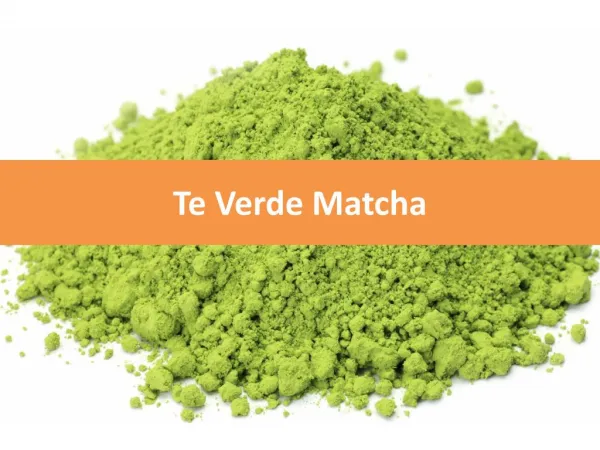
The Complete Guide to Matcha: Where It Comes From, Its Types, Uses and Benefits Matcha has become hugely popular worldwide. From speciality cafés serving rich matcha lattes to skincare brands adding it to beauty products, this vibrant green powder has firmly made its mark. What Is Matcha? In simple terms, matcha is a powdered form of green tea made from shade-grown tea leaves. Unlike traditional green tea, where the leaves are infused in water and then discarded, matcha involves consuming the whole leaf in powdered form. As a result, you benefit from the full range of vitamins, antioxidants and natural compounds found in the tea plant. Matcha is known for its distinctive flavour smooth, creamy and slightly savoury with umami notes as well as its striking bright green colour. These characteristics come directly from the way the tea is cultivated. This makes matcha one of the most rewarding green teas to drink, both for its taste and its health properties.
So, can any green tea simply be ground into matcha? Not quite. Although all green tea comes from the Camellia sinensis plant, the leaves used for matcha are grown and processed differently. This specialised method results in a richer nutritional profile and a more intense flavour compared to standard green tea. Types of Matcha (By Quality Grade) Understanding the different matcha grades can help you choose the right one for your needs: Ceremonial Grade The highest quality matcha, made from young tea leaves with a vibrant colour and finely milled to produce a smooth, delicate flavour. Traditionally used in Japanese tea ceremonies, this grade is best enjoyed on its own, whisked with hot water. Example: Tea People Matcha Gold Premium Grade Slightly below ceremonial grade but still excellent in quality. Ideal for everyday use, including lattes and smoothies, it offers a balanced flavour with gentle sweetness and mild bitterness. This grade suits regular matcha drinkers who want quality without ceremonial formality. Example: Tea People Matcha Silver Culinary or Cooking Grade Less delicate in flavour but still a good-quality option. It works well for daily drinks and is versatile enough for cooking, baking, lattes and smoothies. Each grade has its purpose — ceremonial matcha for special moments, and latte or culinary grades for everyday enjoyment. Knowing the differences makes it easier to select the right matcha for your lifestyle. Ways to Use Matcha One of matcha’s strengths is its versatility. Common ways to enjoy it include: Traditional preparation Matcha is whisked with hot water using a bamboo whisk (chasen) in a bowl (chawan). Tea People also offers complete matcha sets, including a bamboo spoon (chasaku) and whisk holder (kuse naoshi). Modern drinks Matcha lattes, iced matcha and smoothies are popular, easy ways to enjoy matcha on a daily basis. Cooking and baking Matcha can be used in cakes, biscuits and pancakes, as well as savoury recipes such
as matcha salt. There’s no shortage of ideas, with plenty of recipes available for inspiration. Skin and wellness Some people use matcha in homemade face masks, drawn to its antioxidant and calming properties. Whether you enjoy it as a quiet morning ritual or add it to your favourite recipes, matcha can easily become part of everyday life. Health Benefits of Matcha Alongside its flavour, matcha is valued for its nutritional benefits, which include: Rich in antioxidants Matcha contains catechins, particularly EGCG (epigallocatechin gallate), which help combat free radicals. Calm, sustained energy The combination of natural caffeine and L-theanine promotes alertness without the sharp spikes or jitters associated with coffee, making matcha a popular alternative. Metabolic support Some research suggests matcha may gently support metabolism when paired with a balanced diet and healthy lifestyle. Detoxifying properties Its high chlorophyll content supports the body’s natural detoxification processes. Mental focus Early studies indicate matcha may help with concentration and mental clarity. The health benefits of matcha are not just a modern wellness trend — they are rooted in centuries of use and supported by growing scientific research. Conclusion Matcha is far more than a passing fad. It is an age-old tradition that brings together flavour, culture and wellbeing. From its origins in Zen monasteries to today’s morning lattes, matcha continues to appeal to tea lovers around the world. Whether you value it for its health benefits, the mindful ritual of preparation, or simply because it tastes good and works in so many ways, matcha remains a truly distinctive tea.












![PDF [DOWNLOAD] Princeton Review AP Physics 1 Premium Prep, 2022: 5 Practice Tests Complete Content Review Strategies](https://cdn6.slideserve.com/11740339/slide1-dt.jpg)
![PDF [DOWNLOAD] Princeton Review AP Calculus BC Prep, 2022: 4 Practice Tests Complete Content Review Strategies & Tec](https://cdn6.slideserve.com/11740404/slide1-dt.jpg)