Diamond Wafering Blades: Ultimate Precision Cutting Guide
0 likes | 4 Vues
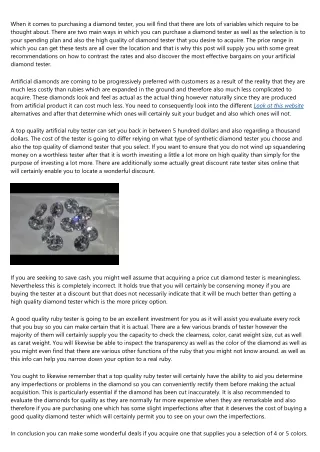
Diamond wafering blades deliver exceptional precision for cutting hard and brittle materials in laboratory and industrial applications. These specialized blades feature diamond particles bonded to thin metal cores, enabling clean cuts through ceramics, semiconductors, and advanced materials. Whether you're sectioning silicon wafers or preparing metallographic samples, diamond wafering blades provide superior edge retention and minimal material loss.


Diamond Wafering Blades: Ultimate Precision Cutting Guide
E N D
Presentation Transcript
Diamond Wafering Blades: Precision Cutting Solutions When it comes to precision cutting in industrial and laboratory settings, diamond wafering blades stand as the gold standard for achieving clean, accurate cuts across various hard and brittle materials. These specialized cutting tools have revolutionized manufacturing processes in semiconductors, electronics, ceramics, and materials research, offering unmatched precision and durability that traditional cutting methods simply cannot match. Understanding Diamond Wafering Blade Technology Diamond wafering blades represent a significant advancement in precision cutting technology. These specialized tools incorporate industrial-grade diamond particles bonded to a metal core, creating a cutting surface capable of slicing through the hardest materials with remarkable accuracy. The diamond particles, being the hardest known natural material, provide exceptional cutting performance while maintaining edge sharpness over extended periods of use. The manufacturing process of these blades involves carefully embedding diamond crystals within a metal matrix, typically using electroplating or sintering techniques. This construction ensures that as the blade wears during cutting operations, fresh diamond particles are
continuously exposed, maintaining consistent cutting performance throughout the blade's operational life. Key Components of Diamond Wafering Blades The effectiveness of diamond wafering blades depends on several critical components working in harmony. The metal core provides structural stability and heat dissipation during high-speed cutting operations. The diamond layer thickness determines the blade's cutting capacity and lifespan, while the bond material secures diamond particles and controls their exposure rate during use. Blade thickness typically ranges from ultra-thin profiles of 0.1mm to more robust configurations exceeding 1mm, with selection depending on the specific application requirements. Thinner blades produce narrower kerfs, reducing material waste and enabling more precise cuts, while thicker blades offer greater stability for cutting larger specimens. Applications Across Multiple Industries Diamond wafering blades serve diverse industries where precision cutting of hard materials is essential. In semiconductor manufacturing, these blades dice silicon wafers into individual chips with tolerances measured in micrometers. The electronics industry relies on them for cutting printed circuit boards, ceramic substrates, and various component materials. Materials science laboratories use diamond wafering blades for preparing samples for microscopic analysis, metallographic examination, and failure analysis. The geological and mineralogical sectors employ these tools for cutting rock samples, gemstones, and crystalline materials. Even the dental industry utilizes specialized diamond wafering blades for cutting prosthetic materials and preparing dental specimens. Cutting Performance Characteristics The superior performance of diamond wafering blades manifests in multiple ways. They deliver exceptional cut quality with minimal chipping, cracking, or surface damage, which is crucial when working with expensive or irreplaceable materials. The cutting speed remains consistent throughout operations, enabling predictable production schedules and efficient workflow management. Heat generation during cutting is significantly lower compared to alternative cutting methods, reducing thermal stress on sensitive materials. This characteristic is particularly important when cutting temperature-sensitive samples or materials prone to thermal expansion. The precision achievable with these blades often eliminates or minimizes the need for secondary finishing operations, saving time and resources.
Selecting the Right Diamond Wafering Blade Choosing the appropriate diamond wafering blade requires careful consideration of several factors. Material hardness represents the primary selection criterion, as different diamond concentrations and bond types work optimally with specific material hardness ranges. Softer materials generally require blades with harder bonds to prevent excessive diamond exposure, while harder materials need softer bonds to facilitate diamond particle renewal. The size and shape of specimens being cut influence blade diameter and arbor hole specifications. Larger specimens require bigger diameter blades to provide adequate cutting depth, while the arbor hole must match the mounting shaft of the cutting equipment. The desired cutting speed and feed rate also impact blade selection, as these parameters must align with the blade's designed operational parameters for optimal performance. For applications requiring alternatives to diamond technology, cbn wafering blades offer excellent performance characteristics, particularly when cutting ferrous metals and hardened steels, where diamond blades may wear prematurely due to chemical reactions with iron. Bond Type Considerations The bond material securing diamond particles significantly impacts cutting performance and blade longevity. Resin bonds provide excellent surface finish and are ideal for cutting hard, brittle materials like ceramics and glass. Metal bonds offer superior durability and longer blade life, making them suitable for cutting abrasive materials and high-volume production environments. Vitrified bonds deliver a balance between cutting efficiency and surface quality, finding applications in precision grinding and cutting operations. Electroplated bonds feature a single layer of diamonds attached to the blade surface, providing aggressive cutting action ideal for challenging materials but with limited blade life compared to other bond types. Operational Best Practices Maximizing the performance and lifespan of diamond wafering blades requires adherence to proper operational procedures. Blade speed must match manufacturer recommendations, as excessive speeds generate unnecessary heat while insufficient speeds reduce cutting efficiency. The feed rate should be consistent and appropriate for the material being cut, avoiding aggressive feeding that can overload the blade and cause premature wear or damage. Coolant application is critical for most cutting operations, serving multiple functions including heat dissipation, debris removal, and lubrication. Water-based coolants are most common, though some applications may require specialized cutting fluids. The coolant should be applied continuously throughout the cutting operation, directed at the cutting zone to maximize effectiveness.
Maintenance and Care Proper maintenance extends blade life and ensures consistent cutting quality. Blades should be inspected regularly for signs of wear, damage, or loading, which occurs when cut material accumulates in the diamond matrix. Dressing procedures can restore cutting performance when blades become loaded or glazed, using dressing sticks or wheels specifically designed for diamond tools. Storage conditions matter significantly for long-term blade performance. Blades should be stored in protective containers away from moisture and temperature extremes. The mounting surfaces and arbor holes must remain clean and free from damage to ensure proper blade mounting and balance during operation. Cost-Effectiveness and Value Proposition While diamond wafering blades represent a significant initial investment compared to conventional cutting tools, their total cost of ownership often proves more economical. The extended blade life, superior cutting quality, and reduced need for secondary processing operations contribute to overall cost savings. Additionally, the ability to cut valuable materials with minimal waste and damage provides substantial economic benefits. Production efficiency gains from faster cutting speeds and reduced downtime for blade changes further enhance the value proposition. The consistent cut quality eliminates rework and material rejection, improving yield rates and reducing material costs. For operations requiring high-precision cuts or working with expensive materials, diamond wafering blades often represent the only viable cutting solution. Frequently Asked Questions What materials can diamond wafering blades cut effectively? They excel at cutting silicon, ceramics, glass, composites, hard metals, and various crystalline materials. How long do diamond wafering blades typically last? Blade life varies based on the material being cut, operational parameters, and maintenance, ranging from hundreds to thousands of cuts. Can diamond wafering blades be resharpened? Most blades cannot be resharpened but can be dressed to restore cutting performance when loaded or glazed.
What causes premature blade wear? Excessive speed, improper feed rate, inadequate coolant, cutting ferrous materials, and incorrect blade selection accelerate wear. Are there alternatives to diamond wafering blades? CBN wafering blades serve as alternatives for specific applications, particularly when cutting ferrous metals and hardened steels. What safety precautions are necessary when using these blades? Proper guarding, eye protection, secure workpiece mounting, appropriate blade speed, and coolant management are essential safety measures.


![[PDF] Free Download Diamond Fire By Ilona Andrews](https://cdn4.slideserve.com/8072472/slide1-dt.jpg)