The Impact of Primitivism and Expressionism in Art and Music: A Transcontinental Dialogue
This exploration delves into the influence of African and Oceanic art on Western Expressionism, highlighting how European and American artists adapted these authentic forms, often overlooking their profound cultural significance. From Paul Gauguin's exotic woodcuts to the evolution of jazz music rooted in African American traditions, the journey traverses through iconoclasts like Picasso and Matisse. The article discusses emotional expressions in music by composers such as Schoenberg and Strauss, illustrating the tension between harmony and dissonance as they engaged with the human experience.

The Impact of Primitivism and Expressionism in Art and Music: A Transcontinental Dialogue
E N D
Presentation Transcript
By: John Anderson Luke Hunter Cassidy Reno Expressionism and beyond
Primitivism • Conscious adaptations by European and American artists of authentic specimens of Oceanic, African, and other non-Western art. • Western artists did not acknowledge African art. • African art changed similarly to Western art. • Most African art served religious purposes. • African sculptures were made of wood. • The more important the figure, the bigger the size.
Art and World Beyond the West • Paul Gauguin was one of first to use exotic patterns in wood cuts. • Wooden objects influenced Picasso, Georges Braque, and other Cubists. • Artists wanted to be simple and show main point. • “The artist shows an instinctive understanding of his material, its right use and possibilities.”-Henry Moore
Head Yellow Sweater Amedeo Modigliani
Jazz Age • Was born by African slaves. • Combined western harmonic and melodic forms with Christian hymns. • They improvised from the original melody and words. • Starting in New Orleans jazz spread up the Mississippi River and throughout America.
Famous Jazz Musicians • Duke Ellington • Charlie Parker • Thelonious Monk • Aaron Copland • Igor Stravinsky • Leonard Berstein • George Gershwin
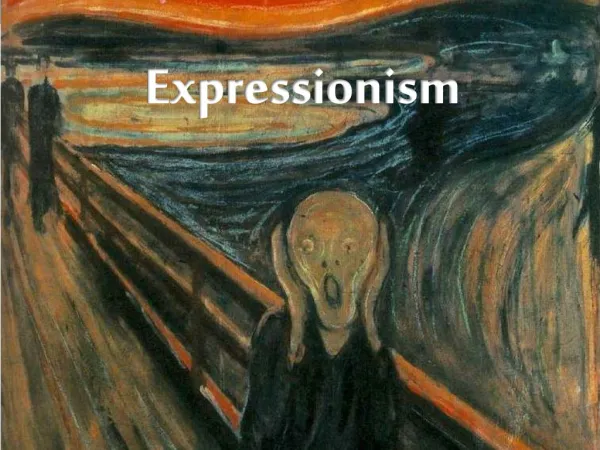
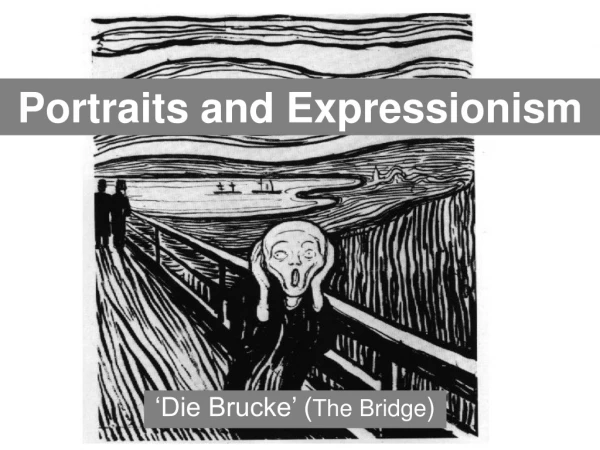
French and German Expressionism • Focused more on human imagination as opposed to representation of nature. • Reaction to objectivity of impressionism • Ex. Starry Night- van Gogh • Looked more distantly at the luminous colors of stain glass and the inventiveness of Romanesque sculpture.
The Wild Beasts • French expressionists painters used violent color clashes similar to impressionism • Fauves: wild beasts • Showed depth by different color shades
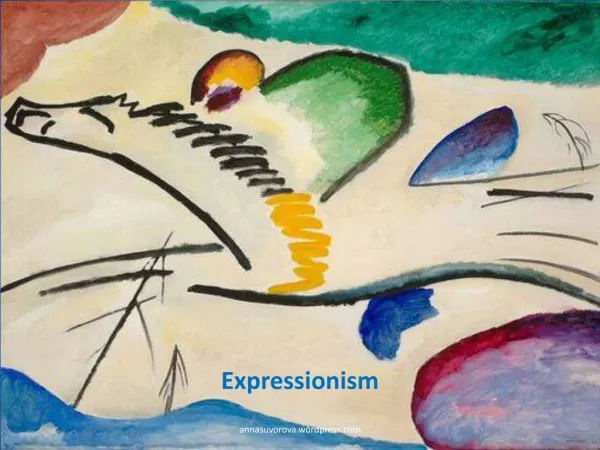
Expressionism in Germany • Published The Blue Rider by Franz Marc and Wassily Kandinsky
Musical Counterparts to Expressionism • Richard Strauss had violent outbursts of musical expressionism in his operas. • Salome and Elektra • Salome is an operatic voyage into the realm of abnormal psychology. • The audience was emotionally aroused by the combination of attraction and repulsion.
Musical Expressionism • Composers worked to the musical climax starting low in pitch and mounting upward. • Schoenberg and Berg believed that dissonance produced anxiety that leaves the listener hanging in the air with harmonic expectations unfulfilled.