Advancements in Genetic Engineering: Selective Breeding and Biotechnology Techniques
This chapter discusses how humans utilize naturally occurring genetic variation to enhance desirable traits in organisms through selective breeding. Two primary methods are explored: hybridization, where closely related species are mated to introduce beneficial alleles, and inbreeding, which involves breeding individuals with similar characteristics to maintain purebred status. The chapter also covers techniques like cloning, recombinant DNA, and genetic modification in foods, including the implications of transgenic animals and gene therapy in correcting genetic defects.

Advancements in Genetic Engineering: Selective Breeding and Biotechnology Techniques
E N D
Presentation Transcript
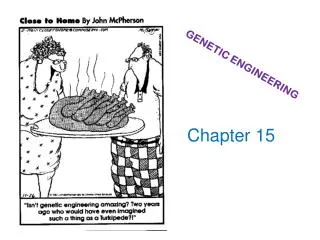
GENETIC ENGINEERING Chapter 15
SELECTIVE BREEDING: Humans take advantage of naturally occurring genetic variation to pass desirable traits on to the next generation 2 methods: Hybridization & Inbreeding
HYBRIDIZATION: When individuals from different, but closely related species are mated to introduce new, beneficial alleles into a population. Example- crossing a disease resistant plant with a high-food producing plant to get a plant that produces a lot of food and survive disease.
Inbreeding The continued breeding of individuals with similar characteristics Example: breeding pure bred dogs to keep the “pure bred” status
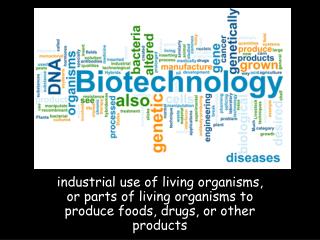
Genetic Variation is Good • Variation means differences • Scientists can introduce more variation than occurs naturally using BIOTECHNOLOGY techniques. This is especially important in our manipulation of the genetic makeups of organisms for agricultural or medicinal purposes
CLONING: Producing an organism from a single parent. Example- plants… buds of spider plants may be cut from the original parent plant and allowed to grow roots. It will develop into its own organism and obviously be a genetic duplicate of its parent.
RECOMBINANT DNA Biologists can cut, separate, and join together DNA sequences from different organisms EXAMPLE: Inserting a human gene into a bacterial plasmid. The bacteria will then produce the human coded protein… Such as human insulin or HGH
GENETICALLY ENGINEERED FOODS AKA GENETICALLY MODIFIED FOODS (GMO) Inserting a desirable gene from one organism into a food product for corporate benefit. example- arctic flounder anti-freeze gene inserted into tomatoes to make them more frost resistance
Transgenic Animals • Genetically altered dairy cows produce more milk • Pigs that have leaner meat or higher levels of omega-3 fatty acids • Inserting spider genes into goats so they produce silk and milk. The silk can be made into military uniforms, sutures, and tennis racket strings
GENE THERAPY- AKA Gene Replacement Correcting genetic defects through transferring normal (correct) genes into cells that lack them. These are high-risk procedures because so far the methods are not 100% reliable and could be deadly since viruses are being used to transmit the genes.