Download

1 / 4
0 likes | 10 Vues
Hearing loss is a widespread issue that affects millions of people globally, yet it often goes undiagnosed until it becomes severe. The inability to hear can affect daily life, communication, and overall well-being. Thankfully, advancements in medical technology have provided solutions for early detection and treatment. One of the most effective ways to diagnose hearing loss is through a test called audiometry. Audiometry is a non-invasive, accurate, and reliable procedure used to assess the severity of hearing loss and pinpoint the cause. This article explores the importance of hearing impair

E N D
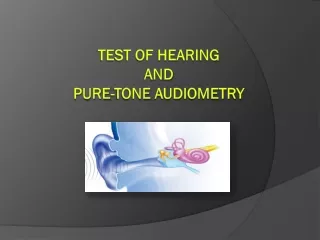
Audiometry Test Benefits Early Detection and Prevention of Hearing Loss Hearing is a critical aspect of our lives, shaping how we interact with our surroundings, communicate with others, and experience the world. Often taken for granted, hearing can slowly diminish due to various factors, such as aging, prolonged exposure to loud noises, or underlying health conditions. Audiometry testing, a clinical procedure to measure a person's hearing ability, serves as a powerful tool in identifying potential hearing issues early on, thus enabling timely intervention and prevention of further deterioration. This article delves into the significant benefits of audiometry tests, emphasizing the importance of early detection and proactive prevention of hearing loss. Understanding Audiometry Testing Audiometry testing is a standardized assessment conducted by an audiologist or trained healthcare professional. The test primarily involves evaluating the sensitivity of hearing across a range of frequencies and loudness levels. It consists of different sub-tests, such as pure-tone audiometry and speech audiometry. In pure-tone audiometry, a person listens to sounds of various frequencies through headphones and indicates whether they can hear the sounds. Speech audiometry, on the other hand, measures the ability to recognize spoken words at various volume levels. Together, these assessments provide a comprehensive view of an individual's hearing capacity, revealing any specific areas of hearing loss. Why Early Detection Matters Early detection of hearing loss is crucial for several reasons. First and foremost, it allows individuals to receive timely interventions that can significantly improve their quality of life. Many forms of hearing loss, if caught early, can be managed effectively with treatments like hearing aids, cochlear implants, or even lifestyle adjustments. Secondly, undiagnosed and untreated hearing loss can lead to a cascade of related problems, including social isolation, depression, cognitive decline, and even an increased risk of accidents. By identifying hearing issues early on, audiometry tests can help prevent these secondary effects, enabling individuals to maintain a high quality of life despite any hearing challenges. Benefits of Audiometry Testing 1. Accurate Hearing Loss Detection Audiometry tests provide a precise measurement of hearing ability, allowing healthcare providers to pinpoint specific frequencies and volume levels where hearing loss occurs. This accuracy is essential because hearing loss can manifest in different forms; some individuals may struggle to hear high-pitched sounds, while others may have difficulty with lower frequencies. By identifying these nuances, audiometry tests enable healthcare professionals to develop a personalized treatment plan that addresses the unique hearing needs of each patient.
2. Monitoring Hearing Health Over Time One of the key benefits of audiometry testing is the ability to track hearing health over time. Regular audiometry tests can reveal gradual changes in hearing ability, allowing individuals to take proactive measures before the problem worsens. For instance, a person exposed to loud environments daily, such as musicians, construction workers, or factory employees, can benefit from routine audiometry testing to monitor any signs of hearing degradation. This proactive approach ensures that potential hearing issues are identified and managed before they impact daily life. 3. Supports Early Intervention and Treatment Options Early diagnosis of hearing issues opens the door to various treatment options that can mitigate the effects of hearing loss. If detected early, hearing loss can often be managed with assistive devices like hearing aids or cochlear implants, which can dramatically improve the individual’s ability to communicate and engage with their surroundings. Additionally, treatments such as sound therapy, auditory training, and counseling can be tailored to the specific type and severity of hearing loss detected through audiometry testing. Early intervention is also known to be more effective, reducing the likelihood of requiring more invasive treatments down the line. 4. Prevention of Secondary Health Issues Untreated hearing loss is associated with a range of secondary health issues, including cognitive decline, dementia, and mental health challenges. Studies have shown that people with untreated hearing loss are at a higher risk of developing dementia and other cognitive disorders. This is because the brain, when deprived of sound input, begins to lose its ability to process auditory information effectively, leading to cognitive strain and decline. Audiometry testing enables early detection of hearing loss, allowing individuals to pursue treatment options that prevent the mental and emotional effects of hearing loss from taking root. 5. Improved Communication and Social Interaction Hearing loss can significantly impact a person's ability to communicate effectively, leading to misunderstandings, frustration, and social isolation. Audiometry testing facilitates early detection of hearing impairment, allowing for timely intervention that enhances communication abilities. For those who rely heavily on verbal communication in their professional or personal lives, addressing hearing issues early can be life-changing, preserving their ability to engage fully in conversations and social interactions. 6. Enhanced Quality of Life Hearing is closely tied to our overall quality of life. By allowing individuals to detect and address hearing issues early, audiometry tests play a direct role in preserving a person’s well- being. With improved hearing, individuals can continue to participate in conversations, enjoy music and nature sounds, and stay connected with loved ones. Preventing hearing loss from
escalating ensures that one’s lifestyle and daily activities are not compromised, resulting in a more fulfilling and enjoyable life experience. 7. Beneficial for All Age Groups Audiometry testing is not only useful for older adults; it benefits people of all ages. Children, in particular, can greatly benefit from routine audiometry testing, as early identification of hearing loss can support their development, language acquisition, and educational success. In young adults and middle-aged individuals, audiometry tests help track hearing health, especially if they are exposed to environments with high noise levels. Regular testing ensures that any emerging hearing issues are addressed promptly, preventing long-term damage. 8. Educational and Occupational Advantages Good hearing is essential in both educational and occupational settings, where communication and comprehension are crucial. For students, untreated hearing issues can hinder learning and academic performance, making early detection through audiometry testing invaluable. In the workplace, hearing loss can affect productivity, safety, and interpersonal relationships. By catching hearing loss early, audiometry testing enables students and professionals to receive support and accommodations that enhance their educational and occupational experiences. 9. Supports Preventive Health Measures Audiometry tests serve as a valuable preventive health measure, especially for individuals at higher risk of hearing loss, such as those with a family history of hearing impairment, diabetes, or cardiovascular disease. Regular testing helps individuals remain vigilant about their hearing health, fostering awareness and encouraging protective behaviors, such as avoiding exposure to loud noises or using protective hearing gear in noisy environments. By promoting preventive health practices, audiometry testing helps individuals make informed choices that protect their hearing for years to come. 10. Raising Awareness and Promoting Health Literacy Audiometry testing also contributes to broader health literacy by educating individuals on the importance of hearing health and the factors that can impact it. Many people are unaware that certain lifestyle choices, such as listening to loud music through headphones, can contribute to hearing loss. Audiologists use the opportunity during testing to inform patients about such risks, empowering them with knowledge that can lead to healthier habits. Raising awareness about hearing health encourages a proactive approach, emphasizing that hearing preservation is a lifelong commitment. 11. Reduced Healthcare Costs Identifying and treating hearing loss early through audiometry testing can lead to reduced healthcare costs over time. By preventing the progression of hearing loss and avoiding the need for more expensive treatments later, individuals can save on medical expenses. Moreover,
addressing hearing loss early reduces the risk of related health issues, such as cognitive decline and depression, further lowering the long-term healthcare burden. Early detection and treatment offer financial benefits, making audiometry testing a cost-effective approach to hearing healthcare. Audiometry Testing as a Lifelong Investment in Hearing Health Audiometry testing is more than just a diagnostic tool; it is a proactive investment in one's long- term hearing health. By enabling early detection of hearing loss, audiometry tests pave the way for timely interventions that preserve hearing, enhance quality of life, and prevent the numerous complications associated with untreated hearing impairment. Whether conducted as part of a routine health check-up or as a response to perceived hearing issues, audiometry testing provides valuable insights that help individuals safeguard their hearing for the future.