Understanding the U.S. Constitution: The Process of Amendment Proposal and Ratification
This project explores the intricate process of proposing and ratifying amendments to the U.S. Constitution. It details the mechanisms for initiating amendments, including the requirement of a two-thirds vote in Congress or a national convention called by two-thirds of state legislatures. Ratification can occur through the approval of three-fourths of state legislatures or conventions. Furthermore, the historical significance and key elements of the first seven amendments, such as the rights to freedom of expression and the protection against illegal searches and seizures, are examined, highlighting the importance of these rights in American democracy.

Understanding the U.S. Constitution: The Process of Amendment Proposal and Ratification
E N D
Presentation Transcript
The Amendment Files!! Unit 2 Project U.S. Constitution
How are Amendments proposed & ratified • Proposed: • 2/3 vote in each house of congress • National convention at the urge of 2/3 of states Ratified: ratification by ¾ of all state legislatures ratification by state wide convention where ¾ approve the amendments
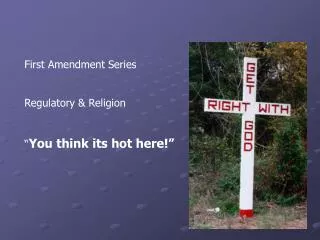
1st Amendment • Name: Freedom of Expression • Date: 1791 • Historical significance: British did not always grant this right especially when colonials were protesting their unfair treatment • Need: to protect those inalienable rights • Parts: • Speech: right to talk and express opinions, up to certain limit • Press: right to express your opinion in a written format, newspaper • Religion: right to worship and practice whatever religion, some limits (free exercise clause, establishment clause) • Petition: right to protest or express your opposition to government or its agents, limits • Assembly: right to gather with others to protest or express opinions
1st Amendment cont… • Limits: • Speech: dangerous speech (violent overthrow of govt., or speech which endangers lives of people ex. yelling fire in crowded movie theatre; Slander: To knowingly lie and damage someone’s reputation • Press: libel (written lies to damage reputation) • Religion: no torturing, human sacrifice or illegal use of drugs as part of religious rituals • Petition: protest must not put humans at harm. No call for arms • Assembly: not allowed to block progress, only on public property, permit required
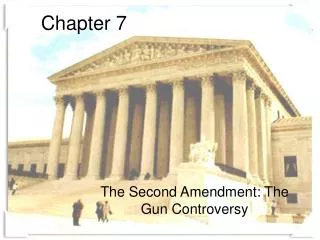
2nd Amendment • Name: Bearing Arms • Date: 1791 • Historical Significance: due to a trick By British on people of Boston, that if they gave up their weapons, British would back off and leave the people of Boston alone • Need: to be able to respond to emergencies & outside threat • Parts: people vs. militia, very controversial, either people or militia have the right to arm themselves for security purposes • Limits: no automatic or military style weapons, license & permits required • Brady Bill: requires background check, and a brief waiting period to discourage the purchase for wrong reasons
3rd Amendment • Name: Quartering of Troops (forgotten Am.) • Date: 1791 • Significance: due to British invasion of homes, and soldiers staying and keeping close eye on colonials • Need: to let citizens be able to live in peace and have control over their homes • Parts: no soldier shall be allowed in your home in times of peace, and in times of war only allowed in with consent of Congress • Limits: allowed if invited, does not include enemy
4th Amendment • Name: Searches & seizures • Date: 1791 • Significance: due to some smuggling and not paying royal tax, British soldiers could invade home & search endlessly until they find something • Need: for all citizens to be left alone, and not stopped & searched w/out real reason • Parts: no illegal searches & seizures, all searches based on probable cause, warrant must be shown to search person or place • Limits: exigent circumstance (police chase), responding to call for help, Plain View
5th Amendment • Name: Rights of Accused Person • Date: 1791 • Significance: British mistreatment of colonials when blaming, arresting and finding guilty • Need: for a objective procedure that all law enforcement & justice system must follow • Parts: • No accusing of capital or infamous crime without presentment & indictment of Grand Jury (EXCEPT MILITARY OFFICERS) • No Double Jeopardy: accused of same crime twice (APPEALS ALLOWED) • Pleading 5th: not being a witness against yourself (DOUBLE EDGED SWORD) • No violation of due process: same steps for everyone (?) • Eminent Domain: no private property taken away, for public use without just compensation (must prove its benefits for entire community) (HISTORICAL LANDMARKS)
6th Amendment • Name: Speedy Trial • Date: 1791 • Significance: it stopped the unfair trials and procedures used in royal courts and colonies against any enemies (so called) of the king! • Need: Sets some objective standards in place for all involved in a trial to have to follow • Parts: • Speedy, public trial, unbiased jury, where crime committed (delay w/permission, closed to reporter if needed, change of venue) • Right to know nature & cause of accusation (writ of habeas corpus can be suspended) • Right to confront witnesses against you (hostile witness) • Right to present your own witnesses (friendly witness) • Right to lawyer (can be turned down and try self)
7th Amendment • Name: Federal Civil Trials • Date: 1791 • Significance: many times colonials were not given the right to sue members of government, or trial for any royal officials • Need: to be able to bring to justice anyone regardless of citizen or member of government • Parts: • Your right to sue someone on federal level (civil means for damages or wrongs done to you) • The amount of controversy $20 (1791) $1500 (today) • Right to have case decided by jury (bench trial)
8th Amendment • Name: Bail & Punishment • Date: 1791 • Significance: it was very normal under British rule to be tortured, to be denied bail, and get vey heavy fines if you were the enemy of the king • Need: framers felt the need for a fair justice system that treated each case on its own merits, and did not abuse its citizens • Parts: • No excessive bail (money needed to get of jail while awaiting your trial) limits: bail can be denied if flight risk, or could commit another crime • No excessive fines: fine must fit crime (except repeat offenders) • No cruel & unusual punishment: justice carried out w/out torture or abusive punishment or death penalty (no more hanging, stoning, burning, dissecting, gassing, electrocuting) today only lethal injection is allowed
9th & 10th Amendments • Name: 9th (power reserved for the people) • Name: 10th (power reserved to the states) • Name together (safeguard amendments) • Date: 1791 • Significance: the convention did not address every single right people should have & enjoy, also, since federalism was the system of govt. chosen, framers wanted to remind national govt. the reserved powers set aside only for the states • Need: to make sure national government over step the sovereignty of people & states • Parts: • 9th: the listing of certain rights does not mean they are the only rights, there are more and Nat. Govt. should be aware (laws & amendments) • 10th : states have certain powers under federalism that cannot be violated by Nat. Govt., if states don’t want it goes to the people first & not the Nat. Govt. (bills & amendments)
13th, 14th, 15th Amendments • Name: • 13th: abolition of slavery (1865) • 14th: equal rights (1868) • 15th: the right to vote (1870) • Together: Civil War Amendments or Reconstruction Amendments Significance: The southern system of slavery & agriculture had created a morally and economically unjust system that many in U.S. felt had to go Need: to reflect countries values, and to be more fair economically in paying the labor force Parts: 13th : no slavery or involuntary servitude (unless as punishment for crime seen appropriate by judge) 14th: all people born in US or naturalized in US are considered American citizens (denaturalization, treason) 15th: no discrimination in voting based on race (only for males, led to passage of poll tax, literacy test, grandfather clause)
19th & 26th Amendments • Name: • 19th: woman’s suffrage (1920) • 26th: 18 year olds right to vote (1971) Significance: women had been fighting for this right since early 1800s as part of the abolition movement, they petitioned states, petitioned White Hose & national Congress, finally after WWI granted the right; 18 year olds were drafted and had to defend country @ 18, but could not vote, average coming dead from Vietnam (20), slogan old enough to die, old enough to vote, finally granted the right Need: very important to let half of the population to participate in government (Democracy), very important to let those defending the country they were important too Parts: 19: no discrimination in voting based on gender (criminals, mentally ill, non-citizens, anyone under 21) 26: no discrimination based on age (criminals, mentally ill, non-citizens)