Understanding Depression in Students: Causes, Effects, and Support Strategies
This comprehensive overview highlights the prevalence of depression among adolescents, emphasizing that 15-20% of youths experience depressive symptoms, impacting their academic success. It examines the correlation between bullying and depression, revealing that those with multiple symptoms are less likely to graduate. It also discusses challenges in diagnosing depression, the influence of trauma, and the importance of tailored treatment approaches. Solutions like increased peer support and anti-bullying measures are proposed for educators to help affected students navigate their emotional struggles.

Understanding Depression in Students: Causes, Effects, and Support Strategies
E N D
Presentation Transcript
Depressed Students Brett Becker
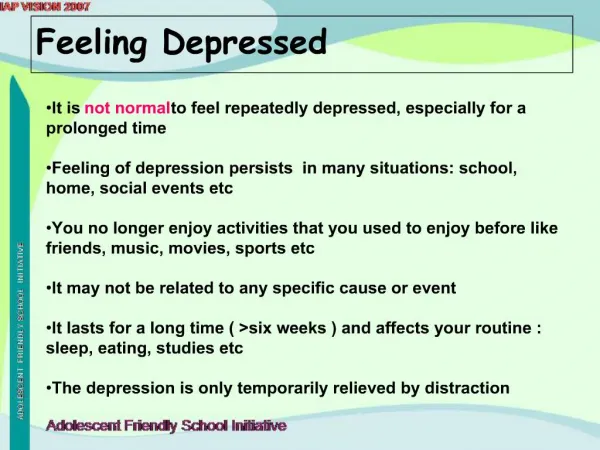
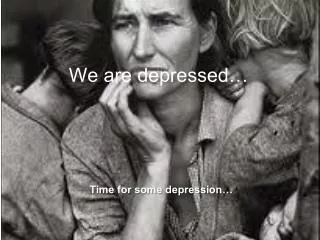
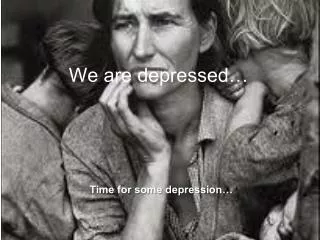
Depression • Depression is a disturbance in mood, thought, and body characterized by varying degrees of sadness, disappointment, loneliness, hopelessness, self-doubt, and guilt. • Depression is becoming the leading cause of disability in the world.
Why is it important? • 15-20% of adolescents will develop some aspect of depression in their youth • Of all students that develop multiple depressive symptoms, only 37% of them will graduate from high school. • Unique culture and require different means of treatment. • Personal Significance
Controversies • Medication • Diagnosing and Identifying • Psycho-development
Depression in Young Children • Traumatic events • Fear of school • Comfort
Longitudinal Study • 493 7th Grade students • 22 Question survey • Lack of confidence in classroom • Negative Self-Perception
Bullying and Depression • Bullying is one of the main causes of depression in children. • It is much easier for students to be bullied today. • Fight against bullying.
How do you think Delia feels? • Embarrassed • Alone • Sad • Insecure • Feels like the entire school is out against her
Rumination and Depression • Similar to being worried • Co-rumination • “Mood and ideas are largely determined by the nature of one’s own activities, conversations, thoughts, and observations.” – Keith Herman
Threats to children • Educational Threats • Physical Threats • Future Threats
What can we do as educators to help? • Support figure • FRIENDS for Life • PCIT-ED
Personal Perspective • Very Serious Issue • Very hard to identify children • Huge academic impact
Future Research • Anti-bullying • More Peer Support • Outside of school