Examining Mood and Stress Levels Among Medical Students: A Cross-Sectional Study
240 likes | 360 Vues
This study investigates mood and stress levels among medical students at Sulaymaniyah Medical School, focusing on potential gender differences and the impact of academic pressures. Utilizing a survey methodology, data were collected from all six stages of students, with 162 questionnaires analyzed through IBM SPSS v21. Findings suggest that females exhibit higher stress levels influenced by family issues and peer pain, while males demonstrate a greater tendency for addictions. Recommendations include stress management classes and awareness of suicidal ideation indicators.


Examining Mood and Stress Levels Among Medical Students: A Cross-Sectional Study
E N D
Presentation Transcript
Mood & Stress ShakhawanSalih . Shanyar Kadir . ShkarDilshad
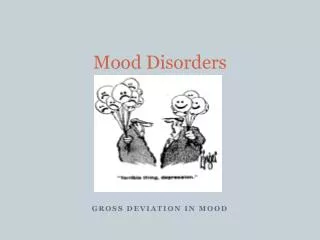
Introduction • A mood is an emotional state. Moods differ from emotions in that they are less specific, less intense, and less likely to be triggered by a particular stimulus or event. Moods generally have either a positive or negative valence. In other words, people typically speak of being in a good mood or a bad mood.
Introduction • Stress is a feeling of strain and pressure. Symptoms may include a sense of: • Being overwhelmed • Feelings of anxiety • Overall irritability • Insecurity • Nervousness • Social withdrawal • Loss of appetite • Depression • Others
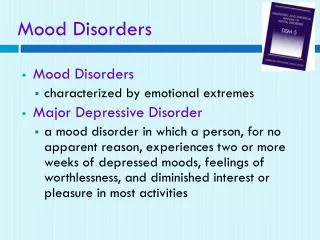
Introduction • Two groups of mood disorders are broadly recognized: • 1) Depressive disorders • A) Major depressive disorder (MDD) • B) Dysthymia • C) Double depression • 2) Bipolar disorders • A) Bipolar I & II • B) Cyclothymia
Introduction • Objectives: • To identify the level of stress among different stages of the medical school • To identify any gender differences related to stress • To identify if mood & stress are affected by studying or exam marks and vice versa.
Methodology • Study Design • Cross-sectional study (survey) • Questionnaire • Sociodemographic (7) • Mood and Stress Questions (48)
Methodology • Study Population and Sample • Population = Students of Sulaymaniyah Medical School • Sample = All 6 Stages, Random Sampling, Evey 4th Student • Data Collection • Took 3 days • First 4 stages in a single day • 5th and 6th stages within 2 days
Methodology • Data Processing • 162 complete questionnaires (9 ignored because incomplete) • Entered into IBM SPSS v21 • Frequency tables for socio-demographic data and statistical measures of distribution for age, height, and weight • Chi-Squared and Fisher’s Exact tests used to find associations • If 20.0% or more of data cells in contingency table had expected count below 5, Fisher’s exact was used • p value of less than 0.05 taken as significant
Conclusions • Females more prone to stress • Affected more by family problems • Affected more by other people’s pain • More likely to get nausea and reflux under stress • Get more stress out while studying for exams • Get more sleep-deprived by exams • Affected more by exam marks • Males • A higher tendency for addictions
Conclusions • By Stage • Mood gets better when hanging out with friends (increases with stage) • Suicidal ideation higher among the first two stages • By SES • High SES: increased sensitivity to pain • Low SES: lack stamina and tire more easily
Recommendations • Classes to the medical students • About risk factors for stress • How to deal with stress • How to detect serious suicidal ideations in others