Download
1 / 13
130 likes | 271 Vues
This presentation, led by Linda Darveau from the US EPA, explores the concept of Greening the Supply Chain through innovative partnerships between government and industry. Key topics include OEM perspectives, the importance of environmental management systems for small manufacturers, and successful programs like the Green Suppliers Network. The initiative aims to foster sustainable practices, reduce environmental impacts, and enhance supplier relationships. The shared goal is to create cost savings and improve communication throughout the supply chain, benefiting both the environment and industry.

E N D
Greening the Supply Chain An Innovative Government-Industry Partnership Linda Darveau US EPA Region I
Greening the Supply Chain AGENDA • Linda Darveau, US EPA - EPA’s view of Greening the Supply Chain • Patti Carrier, NHBB- One company’s view of Greening the Supply Chain • Judy Woldarczyk, ConnSTEP- GSN, Lean & Green Supply Chain and the MEP Mission.
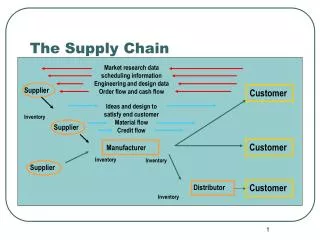
Greening the Supply Chain • OEM’s are now assembly plants • Regulated processes are outsourced to small manufacturers. • OEMS not held responsible for the full environmental impact of their products. • Greening the Supply Chain leverages environmental improvement at small manufacturers.
Greening The Supply Chain Why do OEMS want to Green their Supply Chain? • Economics-cost savings to suppliers and eventually to OEM • Liability-on time delivery with reliable suppliers • Quality-critical suppliers meet specs, especially in Aerospace
Greening the Supply Chain EMS-Fits the need • User groups: First developed by Southern Cal. Trade Assoc. & Region 9 • Region I twist- using the supply chain market forces to promote environmental management systems among small manufacturers. • Six-eight month program based on EMS template
Greening the Supply Chain Incentives for small company: • Chance to develop relationship w/major customer • Free training • On site assistance
Greening the Supply Chain Benefits to the Environment: • Reaching companies we don’t normally see. • Instilling continuous improvement ethic in small companies-ends enforcement cycle. • Sharing of information among small companies. • Improving communication between OEMs and Suppliers results in reduced environmental impact.
Projects: - Raytheon: RCRA,TRI,Tier 2, Safety Training,chemical management service New Hampshire Ball Bearings: EMS User Group, nine companies participated. Pratt & Whitney/Hartford: EMS, Five companies participated. Ongoing supplier support-Chrome Summit Pratt & Whitney/North Berwick: EMS, Ten companies participated. Hamilton Sundstrand/Windsor Locks, ten companies participated Greening the Supply Chain
Greening the Supply Chain Critical components for a successful project: • OEM support-preferably from purchasing, management • On site assistance ( intern, MEP) • Logistics-site access
Greening the Supply Chain • Green Suppliers Network- EPA Headquarters funded program, $2500 for each review, $1000.00 follow up $ • Using tools developed by NIST-MEP’s • Pilot with GM-Saturn suppliers • Goal-develop self sustaining industry association to promote value stream mapping workshops • EPA.gov/p2/programs/gsn
Greening the Supply Chain • New England Aerospace Project • 6 pilots at suppliers who service Aerospace industry • Chrome plater in Ct-saved $450,000/year 6 pilots = savings of > 5 Million
Greening the Supply Chain Next Steps: -SEP’s -Use approach for other sectors-Fed Facilities -Integrate into Performance Track Program Integrate into UNH P2 Internship Program -Expansion of Aerospace in NE -New Haven Project-Funded by OAQPS, using EPA funded inventory of sources.