
SlideServe
Menu
Préférences
© SlideServe · v2026

Understanding Depth Perception: Cues and Visual Illusions

bona avatar
24 diapositives · 358 Views · Jul 30, 2014

This document explores the concept of depth perception, detailing various depth cues categorized into pictorial, physiological, motion, and stereoscopic types. It discusses the role of retinal image size, shadows, and shading in pictorial depth cues, presenting how perceived size is influenced by distance through size constancy. The physiological depth cues of accommodation and convergence are examined, alongside the impact of motion parallax on depth perception. Additionally, it introduces the famous Müller-Lyer illusion as an example of how depth cues can lead to visual misconceptions.
Understanding Depth Perception: Cues and Visual Illusions - slide 1
01 / 24Understanding Depth Perception: Cues and Visual Illusions
1 / 17

Télécharger la présentation

Understanding Depth Perception: Cues and Visual Illusions
Une image / un lien ci-dessous est fourni (tel quel) pour télécharger la présentation

Politique de téléchargement : le contenu du site vous est fourni TEL QUEL pour votre information et votre usage personnel ; il ne peut être vendu, concédé sous licence ni partagé sur d’autres sites sans l’accord de son auteur.Le contenu vous est fourni TEL QUEL, pour votre information et votre usage personnel uniquement. Téléchargez la présentation en cliquant sur ce lien. Lors du téléchargement, si vous ne parvenez pas à télécharger une présentation, l’éditeur a peut-être supprimé le fichier de son serveur.Pendant le téléchargement, si vous ne parvenez pas à obtenir une présentation, le fichier a peut-être été supprimé par l’éditeur.

F I N

Plus de contenu associé

Transcription de la présentation
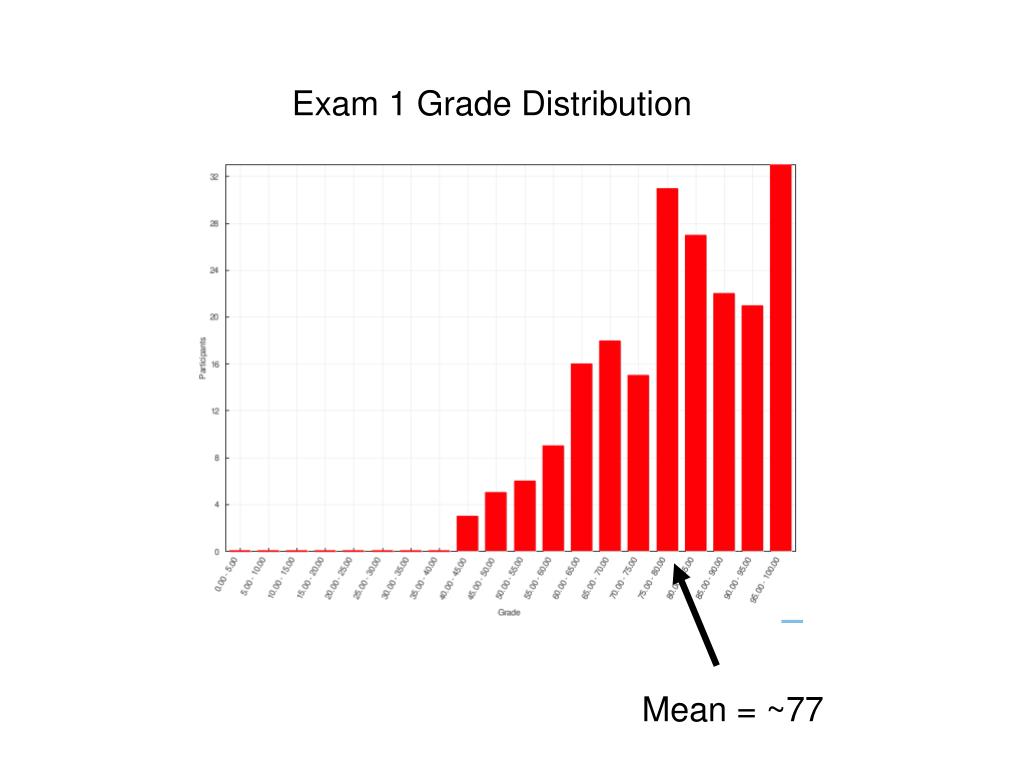
  1. Exam 1 Grade Distribution Mean = ~77

  2. Exam 1 Grade Distribution Note the “ceiling effect”: these grades would have gone here if the max score was more than 100 Mean = ~77

  3. Upcoming: Read article by Gregory for Thursday Read chapter by Pinker for February 28th

  4. Seeing Depth • The world is 3D, the retina is 2D !

  5. Depth Cues • Four categories: • Pictorial • Physiological • Motion • Stereoscopic

  6. Pictorial Depth Cues • Shadows and Shading

  7. Pictorial Depth Cues • Retinal image size • far objects smaller than near objects

  8. Pictorial Depth Cues • Retinal image size • problem: big far things same as close small things • “solved” by size constancy: Perceived size is adjusted according to perceived distance (based on other cues) • forms the basis for several visual illusions

  9. Pictorial Depth Cues • Retinal image size

  10. Pictorial Depth Cues • Retinal image size

  11. Pictorial Depth Cues • Linear perspective

  12. Pictorial Depth Cues • Texture gradient

  13. Pictorial Depth Cues • Height in the plane

  14. More Depth Cues • Pictorial Depth Cues • Physiological Depth Cues • Motion Parallax • Stereoscopic Depth Cues

  15. Physiological Depth Cues • Two Physiological Depth Cues • accommodation • convergence

  16. Physiological Depth Cues • Accommodation

  17. Physiological Depth Cues • Convergence

  18. Physiological Depth Cues • Convergence • small angle of convergence = far away • large angle of convergence = near • What two sensory systems is the brain integrating? • What happens to images closer or farther away from fixation point?

  19. Physiological Depth Cues • Convergence and accommodation are reflexively linked Under what circumstances might this be a problem?

  20. Motion Depth Cues • Motion • Parallax

  21. Motion Depth Cues • Parallax

  22. Motion Depth Cues • Parallax • points at different locations in the visual field move at different speeds depending on their distance from fixation

  23. Muller - Lyer Illusion

  24. Muller - Lyer Illusion